In the high-stakes environment of North American business, where competition is fierce and teams are diverse, managers frequently enter meetings where tensions simmer just below the surface. One misplaced comment or misinterpreted tone, and a simple discussion can erupt into an argument that damages relationships, erodes trust, and stalls critical progress. Yet it does not have to unfold this way. As explored in analysis of the corporate leadership training market, leaders can learn practical, battle-tested methods to stay composed and guide even the most charged exchanges toward positive resolution and mutual understanding.
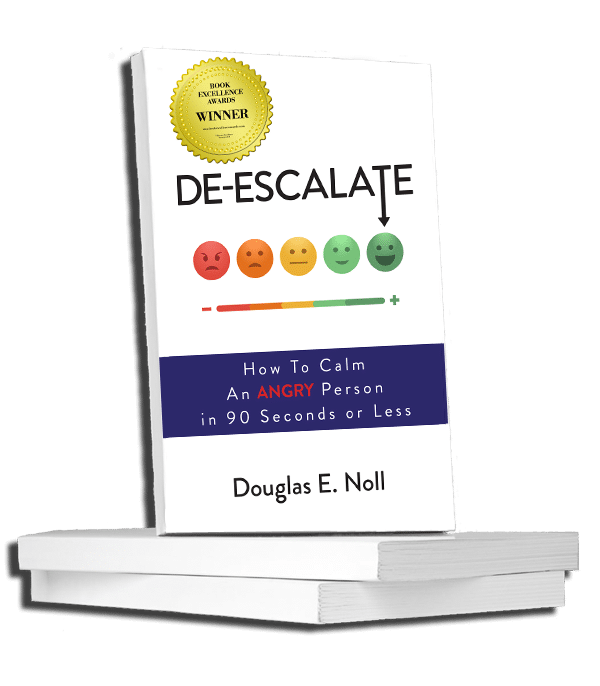
Emotional conflicts fracture teams and families. The ongoing tension breeds burnout, damages relationships, and hurts performance. The Noll Method’s 90-Second Power Move™ is a proven, neuroscience-based skill for restoring calm, tested from boardrooms to maximum-security prisons. Master this life-changing technique to transform chaos into collaboration. Book a no-obligation zoom call with Doug Noll today!
The Growing Need for Better Leadership Skills
Modern management demands far more than strategic planning or technical expertise alone. Leaders must navigate the complex world of human emotions on a daily basis, transforming potential conflicts into meaningful opportunities for growth and collaboration. Recent industry analysis shows the global corporate leadership training market was valued at USD 37.45 billion in 2024. Organizations across North America are investing heavily in these programs because they recognize that skilled leaders are essential for driving innovation, retaining top talent, and building truly resilient teams that thrive under pressure.
This investment reflects a deeper cultural shift in corporate environments. Companies now treat emotional mastery and clear communication as fundamental core competencies rather than optional extras. Managers who develop these abilities create workplaces where employees feel genuinely heard, deeply valued, and highly motivated to contribute their best efforts every day. The result is stronger teams and more sustainable business outcomes across healthcare systems, educational institutions, and professional service firms throughout the region.
Understanding the Emotional Side of Management
Difficult conversations rarely stem from facts alone. Emotions fuel them frustration, fear, or defensiveness on either side. When leaders learn to read and manage these undercurrents with skill, they shift the dynamic from confrontation to collaboration. Calm does not mean suppressing feelings; it means channeling them productively so everyone walks away with clearer understanding and stronger commitment. Market insights confirm that the emotional intelligence market is expanding rapidly as organizations recognize its value in professional development, particularly in corporate training and healthcare settings where interpersonal dynamics directly affect results.
The payoff appears quickly and compounds over time. Teams experience fewer recurring disputes, noticeably higher morale, and smoother decision-making processes. Leaders who invest in this area report feeling more in control, far less drained by interpersonal friction, and significantly better equipped for the unpredictable challenges that define today’s North American workplace. These skills become a quiet competitive advantage that separates exceptional managers from those who merely survive the daily demands.
Techniques for Staying Calm During Tense Interactions
Proven methods focus on interrupting the escalation cycle before it gains momentum. These approaches are straightforward yet remarkably powerful when practiced consistently in real situations. They draw from decades of refinement and deliver reliable results even under intense pressure.
- Pause and breathe deeply for just a few seconds to reset your nervous system and prevent reactive words from escaping.
- Listen actively by paraphrasing what you hear, showing the other person you truly understand their viewpoint before responding.
- Choose neutral language that describes the situation rather than assigning blame or judgment that fuels defensiveness.
- Reframe the discussion around shared goals, moving both parties from opposition to genuine partnership.
- Acknowledge emotions explicitly but calmly “I can see this matters deeply to you” to diffuse intensity without judgment or escalation.
These steps do not require hours of preparation or special resources. Managers who rehearse them in low-stakes moments find they become automatic when real pressure arrives. What once felt impossible transforms into productive dialogues that strengthen relationships instead of damaging them. The techniques work because they address the human element directly, creating space for logic and respect to prevail.
Drawing from Extraordinary Experience
What separates truly effective training from generic workshops is the depth of the instructor’s background. Doug Noll brings more than 40 years of hands-on experience, including teaching life inmates how to stop prison violence. He is the only person offering these specific skills, forged in environments where de-escalation literally meant the difference between safety and chaos.
That real-world foundation translates directly and powerfully to corporate settings in North America. Techniques refined amid extreme emotional volatility equip managers to handle boardroom disagreements, performance reviews, or team conflicts with the same composure and precision. The result is not abstract theory it is a reliable system proven under the harshest conditions that ordinary leaders can adopt immediately and use confidently day after day. This unique perspective delivers insights no conventional program can match.
A Guarantee of Tangible Results
Many training programs promise improvement; few offer certainty. Noll guarantees participants will leave able to stop fights and arguments before they escalate. This assurance stems from methods tested across decades in the most challenging conditions imaginable. Managers walk away not hoping they can manage conflict better, but knowing they possess the tools to do so reliably every single time.
The guarantee removes doubt and encourages full engagement from the start. When leaders experience early successes diffusing a heated exchange or reaching agreement faster than ever before they build momentum that transforms their entire leadership style. Confidence grows with each application, turning potential stress into opportunities for positive influence and lasting team cohesion across North American organizations.
Addressing Common Objections to These Methods
Skepticism often surfaces before managers commit to change. Three concerns appear repeatedly, yet each dissolves with clear evidence and consistent practice.
First, some believe fights and arguments are simply part of life and will never disappear. While disagreements may arise in any vibrant workplace, the destructive escalation of conflicts is not inevitable. Real-world application across prisons and boardrooms proves that escalation can be prevented through learned skills.
Second, others assume these situations will persist no matter what approach is taken. Yet leaders who master the techniques consistently report dramatic reductions in recurring disputes, creating calmer, more productive environments where focus returns to shared goals rather than personal friction.
Third, many hesitate because they fear working with and mastering their own emotions. The process actually reduces anxiety by providing concrete control rather than leaving feelings unchecked. What begins as discomfort quickly becomes confidence and genuine relief as managers experience the freedom that comes from emotional mastery.
The Real Impact on Teams and Organizations
When managers apply these skills, ripple effects appear almost immediately and continue to grow. Teams collaborate more openly, productivity rises steadily, and turnover drops as people feel respected rather than attacked during difficult moments. In North American organizations spanning healthcare, education, professional services, and beyond, calmer leadership fosters innovation and deep loyalty.
Individuals advance faster in their careers because they resolve issues efficiently instead of letting them linger and drain energy. Organizations gain a genuine competitive edge through stronger internal relationships and fewer costly disruptions. The investment in these techniques pays dividends far beyond the training room, creating cultures where respect and clarity become the natural standard.
Getting Started on the Path to Calm and Effective Leadership
Transforming how you handle difficult conversations does not require a complete overhaul of your schedule or personality. It begins with a willingness to learn proven methods and practice them consistently in everyday situations. The tools exist, refined through decades of real-world testing and backed by a clear guarantee of results that managers can trust.
Managers ready to lead with greater composure and impact can start today. By embracing these approaches, you create not only better immediate outcomes but also a leadership presence that inspires lasting trust and respect. The conversations that once drained energy become opportunities to strengthen teams and drive meaningful progress across North American workplaces. Calm, effective leadership is within reach take the first step and watch the difference unfold in every interaction.
Frequently Asked Questions
What techniques can managers use to handle difficult conversations calmly?
Managers can use several proven de-escalation techniques to stay composed during tense interactions. These include pausing to breathe deeply before responding, actively listening and paraphrasing the other person’s viewpoint, using neutral non-blaming language, and acknowledging emotions without judgment. Reframing discussions around shared goals also helps shift the dynamic from confrontation to collaboration.
Why is emotional intelligence training important for corporate leadership?
Emotional intelligence is increasingly recognized as a core leadership competency rather than an optional soft skill. The global corporate leadership training market was valued at USD 37.45 billion in 2024, reflecting how heavily organizations are investing in these capabilities. Leaders who develop emotional mastery create workplaces where employees feel heard and motivated, resulting in fewer conflicts, higher morale, and stronger business outcomes.
Can conflict management skills actually prevent workplace arguments from escalating?
Yes with consistent practice, managers can interrupt the escalation cycle before it gains momentum. Methods tested in high-pressure environments, including maximum-security prisons, demonstrate that destructive conflict is not inevitable and can be reliably prevented through learned skills. Leaders who apply these techniques regularly report dramatic reductions in recurring disputes and greater confidence in handling even the most emotionally charged workplace situations.
Disclaimer: The above helpful resources content contains personal opinions and experiences. The information provided is for general knowledge and does not constitute professional advice.
You may also be interested in: A Mediator’s Approach to Stopping Arguments in Boardrooms
Emotional conflicts fracture teams and families. The ongoing tension breeds burnout, damages relationships, and hurts performance. The Noll Method’s 90-Second Power Move™ is a proven, neuroscience-based skill for restoring calm, tested from boardrooms to maximum-security prisons. Master this life-changing technique to transform chaos into collaboration. Book a no-obligation zoom call with Doug Noll today!
Powered by flareAI.co