In the pressure-cooker environment of today’s workplaces, where deadlines tighten, expectations climb, and uncertainty lingers, leaders frequently encounter the same challenge: emotions flare before solutions can even be discussed. Frustration over shifting priorities, resentment from unbalanced responsibilities, anxiety triggered by organizational change these feelings do not disappear simply because a manager calls for focus. Conventional leadership approaches that emphasize logic, quick fixes, and forward momentum often intensify the tension rather than relieve it. A more effective path is emerging clearly: the deliberate practice of validating feelings stands out as one of the most powerful tools available for modern team leadership.
Emotional conflicts fracture teams and families. The ongoing tension breeds burnout, damages relationships, and hurts performance. The Noll Method’s 90-Second Power Move™ is a proven, neuroscience-based skill for restoring calm, tested from boardrooms to maximum-security prisons. Master this life-changing technique to transform chaos into collaboration. Book a no-obligation zoom call with Doug Noll today!
The Hidden Cost of Ignoring Emotions at Work
When leaders bypass emotional reality and move straight to action plans, team members frequently feel unheard and undervalued. That perception breeds disengagement. Productivity dips not because people lack skill, but because emotional undercurrents drain energy and erode trust. Over months and years, unresolved tension accumulates into patterns of passive resistance, higher turnover, and missed innovation opportunities. The most forward-thinking organizations now recognize that emotional acknowledgment is not a soft add-on; it is a strategic necessity for sustaining performance under pressure.
What Emotional Validation Actually Looks Like in Practice
Validation means accurately naming and accepting another person’s emotional state without judgment, agreement, or immediate attempts to correct it. A simple, precise statement such as “It makes complete sense that you’re feeling frustrated the goalposts moved twice this week without warning” carries far more influence than a generic “Let’s stay positive” or “Just push through it.” The difference lies in authenticity and specificity. When done well, validation lowers defenses almost immediately, creating space for genuine dialogue.
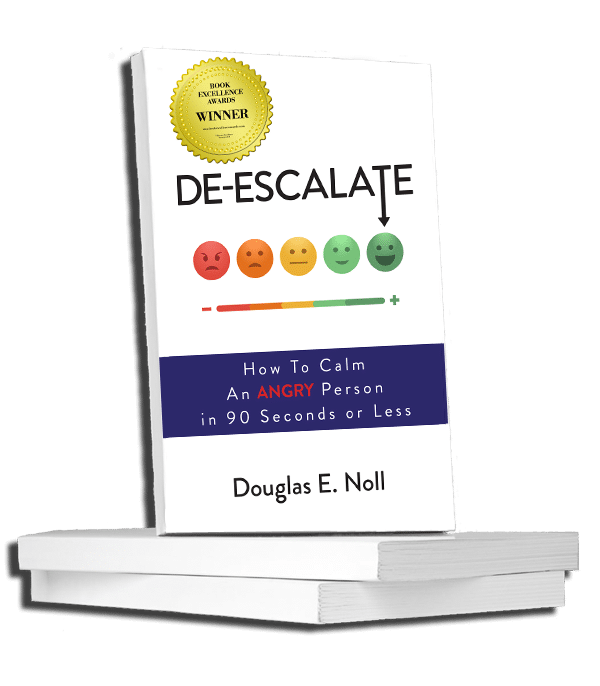
This approach draws directly from proven de-escalation techniques used in the most volatile settings. Doug Noll, who brings over forty years of experience including developing programs that taught individuals serving life sentences to prevent prison violence has refined these methods into practical skills for corporate environments. He stands behind a rare promise: leaders who truly master emotional validation can reliably stop arguments and prevent destructive escalation.
The Neuroscience That Explains Why It Works
When strong emotions activate the brain’s limbic system, rational thinking becomes secondary. Attempting to reason someone out of anger or fear in that moment rarely succeeds. However, correctly labeling the emotion through affect labeling begins to down-regulate the amygdala’s intensity. Brain imaging studies consistently show reduced activity in emotional centers within seconds of accurate naming. That brief neurological pause opens the door to clearer thinking and collaborative problem-solving.
For leaders, the implication is straightforward: investing thirty seconds in validation frequently shortens difficult conversations by minutes or even hours. Teams move faster not because pressure increases, but because emotional friction decreases.
Putting Validation to Work: A Practical Toolkit
Leaders do not need complex frameworks to begin. The most effective starting points remain simple and repeatable:
- Notice the emotion before the content. Pay attention to tone, facial expression, posture, and pacing rather than jumping directly to the words being said.
- Name it with precision. Replace vague labels (“You’re upset”) with accurate descriptions (“It sounds like you’re feeling really discouraged because your input wasn’t considered”). Specificity builds credibility.
- Pause deliberately. Allow silence after the validating statement. Most people need a moment to absorb being truly heard.
- Observe the shift. Watch for physical signs of de-escalation relaxed shoulders, steadier breathing, a more open posture then gently transition to joint problem-solving.
Consistent application transforms this sequence from conscious effort into natural reflex. Over time, teams begin to mirror the behavior, self-regulating more effectively and requiring less intervention from above.
Common Leadership Misconceptions About Validation
- Validation means agreeing with every complaint. It does not; it simply acknowledges that the feeling is understandable given the facts.
- It wastes valuable time. In reality, skipping validation often extends conflict, while brief acknowledgment accelerates resolution.
- It appears weak or overly permissive. On the contrary, delivering precise validation under pressure requires confidence, emotional awareness, and discipline hallmarks of strong leadership.
Overcoming Resistance and Addressing Doubts
Skepticism persists in many quarters. Some leaders insist that conflict is an unavoidable part of organizational life and should simply be endured. Others fear that inviting emotional expression will lead to unproductive venting sessions. A quieter but equally real concern surfaces among high-achieving managers: acknowledging other’s feelings may force them to confront their own suppressed emotions, an experience they instinctively avoid.
These reservations carry weight, yet they miss a central truth. Unmanaged emotional escalation does not preserve productivity; it quietly sabotages it. Validation does not pretend conflict can be eliminated it equips teams to navigate disagreement constructively. Arguments that once lingered for days shrink to brief, focused exchanges. As for personal discomfort, leadership at the highest level demands exactly that kind of self-confrontation. Those who lean into it gain a lasting advantage: teams that trust them deeply, surface ideas freely, and remain committed longer because they feel genuinely seen.
Evidence of Impact in North American Workplaces
Organizations across North America increasingly invest in leadership development that includes emotional competence. The region maintains a commanding presence in the global corporate leadership training landscape, fueled by widespread understanding that effective leadership directly influences financial performance, employee engagement, and organizational agility amid rapid change. Companies that prioritize these human-centered skills report tangible benefits: smoother collaboration, reduced voluntary turnover, and more creative approaches to persistent challenges.
Leaders trained in validation techniques often describe practical shifts meetings become less combative, surprises decrease, momentum builds because emotional static no longer consumes attention. In one mid-sized firm, a department repeatedly ranked at the bottom of performance reviews reversed course after its manager began consistently validating team emotions rather than overriding them. The change came not from new systems or incentives, but from the steady accumulation of moments in which people felt understood first and directed second.
The Lasting Advantage of Leading with Emotional Mastery
Exceptional leadership has always combined clear vision, sound strategy, and decisive action. In 2026, it also requires fluency in the language of emotion. Validating feelings is not an exercise in kindness for its own sake; it is a disciplined method for cutting through noise, restoring trust, and converting potential friction into forward movement.
The invitation is straightforward. The next time tension surfaces in your team whether in a one-on-one or a crowded virtual room pause before prescribing solutions. Offer validation first. You will likely witness a rapid recalibration: defensiveness softens, listening deepens, and progress accelerates. When people know their emotions will be met with understanding rather than dismissal, they bring more of themselves to the work and the entire team moves forward with greater strength and coherence.
Frequently Asked Questions
Why is validating feelings important for effective team leadership?
Validating feelings helps leaders address the emotional undercurrents that silently drain team productivity and erode trust. When emotions go unacknowledged, team members feel unheard, leading to disengagement, passive resistance, and higher turnover. By accurately naming and accepting a team member’s emotional state without judgment, leaders can lower defenses quickly and create space for genuine dialogue and faster problem-solving.
What is emotional validation in the workplace, and how do leaders practice it?
Emotional validation in the workplace means precisely naming and acknowledging a colleague’s feelings without immediately trying to fix or dismiss them for example, saying “It makes complete sense that you’re feeling frustrated; the goalposts moved twice this week without warning.” Leaders can practice it by noticing emotional cues like tone and posture, naming the emotion with specificity, pausing to let the person feel heard, and then watching for signs of de-escalation before transitioning to problem-solving. With consistent practice, this sequence becomes a natural leadership reflex.
What does neuroscience say about why emotional validation works in conflict resolution?
When strong emotions activate the brain’s limbic system, rational thinking takes a back seat which is why logic-first responses often fail to de-escalate workplace conflict. Research shows that accurately labeling an emotion (a process called affect labeling) reduces activity in the amygdala within seconds, creating a neurological window for clearer thinking. For leaders, this means that just 30 seconds of genuine validation can shorten difficult conversations by minutes or even hours, cutting through emotional friction and accelerating team progress.
Disclaimer: The above helpful resources content contains personal opinions and experiences. The information provided is for general knowledge and does not constitute professional advice.
You may also be interested in: How to Overcome Resistance to Emotional Intelligence Training
Emotional conflicts fracture teams and families. The ongoing tension breeds burnout, damages relationships, and hurts performance. The Noll Method’s 90-Second Power Move™ is a proven, neuroscience-based skill for restoring calm, tested from boardrooms to maximum-security prisons. Master this life-changing technique to transform chaos into collaboration. Book a no-obligation zoom call with Doug Noll today!
Powered by flareAI.co