In an era when emotional intelligence and crisis composure rank among the most sought-after leadership qualities, a small but growing group of professionals is merging two seemingly distant disciplines: clinical hypnotherapy and proven de-escalation protocols. Far from the realm of stage entertainment, these practitioners are quietly equipping executives, managers, and team leaders with sophisticated tools to read emotional undercurrents, lower defenses, and transform tense encounters into constructive dialogue.
The approach recognizes a persistent gap in conventional leadership development. While workshops and executive coaching build strategic insight and influence skills, they frequently leave leaders under-prepared for the raw, in-the-moment dynamics of human conflict. By integrating hypnotic language patterns with structured de-escalation techniques, these hybrid trainers help leaders remain steady under pressure and guide others toward resolution rather than confrontation.
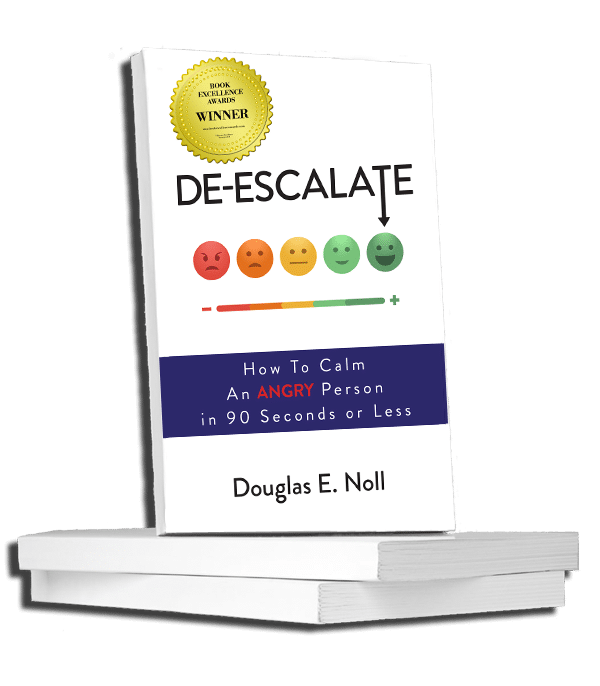
Emotional conflicts fracture teams and families. The ongoing tension breeds burnout, damages relationships, and hurts performance. The Noll Method’s 90-Second Power Move™ is a proven, neuroscience-based skill for restoring calm, tested from boardrooms to maximum-security prisons. Master this life-changing technique to transform chaos into collaboration. Book a no-obligation zoom call with Doug Noll today!
The Quiet Evolution of Leadership Training Methods
Organizations worldwide continue to pour resources into developing more adaptable, empathetic leaders. Industry observers note robust demand for longer, more immersive programs that produce genuine behavioral change, alongside creative formats such as gamification that boost participant engagement. Within this expanding landscape, a specialized subset of trainers many with formal backgrounds in clinical hypnotherapy has begun applying subconscious-influence methods to everyday workplace challenges.
Hypnotherapists understand how the mind filters suggestions, how resistance forms, and how carefully chosen words can invite calm states in seconds rather than minutes. When these insights are deliberately paired with de-escalation frameworks originally refined in mental-health crises, law enforcement, and emergency medicine, the combination creates a powerful toolkit for modern leaders.
Core Mechanics: Pacing, Leading, and Structured Calm
Hypnotic communication rests on a fundamental sequence: first match the other person’s current emotional reality (pacing), then gently guide attention toward a more resourceful state (leading). This closely parallels the cornerstone principles of professional de-escalation: maintain personal calm, demonstrate genuine empathy, listen without interruption, and employ clear, non-threatening language.
A simple yet potent example appears in permissive phrasing. Instead of commanding “Calm down,” a leader might say, “As you notice your breathing gradually finding its own slower rhythm … it becomes easier to hear what really matters here.” The sentence validates the present feeling while embedding an invitation to relax. When combined with de-escalation basics respecting spatial boundaries, using a steady single voice, avoiding accusatory statements the result is conversation that defuses rather than inflames.
Leaders trained in this blended style also grow more sensitive to early physiological signals of rising tension: quickened speech, shallow breathing, rigid posture. Spotting these cues early allows preemptive intervention, often preventing escalation altogether.
Practical Impact Across High-Stakes Environments
Professionals using these integrated skills report meaningful differences in several recurring leadership scenarios:
- Navigating organizational change: Resistance frequently masks deeper fears of loss or uncertainty. Leaders trained this way move past surface objections to address underlying concerns, using calm pacing to keep dialogue productive.
- Managing emotionally charged meetings: Executives apply brief self-regulation anchors mental cues rooted in hypnotic practice to stay centered, then deploy verbal matching techniques to lower the temperature when colleagues clash.
- Resolving one-on-one conflicts: The approach uncovers unspoken drivers of disagreement, making solutions feel mutually discovered rather than imposed from above.
- Building enduring team safety: Consistent use of these methods creates an atmosphere where people speak candidly without fear of emotional blowback, reducing the buildup of chronic friction.
Sectors that experience frequent high-emotion interactions healthcare delivery teams, frontline customer service, security operations, and fast-moving technology groups tend to see especially rapid uptake and reported benefit.
Complementing Not Replacing Established Development Paths
The dominant formats in leadership development remain workshops, seminars, and structured coaching engagements. These methods excel at transmitting frameworks, case studies, and strategic concepts. Yet they can leave participants intellectually prepared but emotionally untested when real friction arises.
Hypnotherapy-informed trainers add a complementary dimension rather than a competing one. Their expertise in inducing light trance states, crafting suggestive language, and reframing limiting beliefs equips leaders to handle the visceral side of influence. The outcome is leadership that feels more complete: decisive when clarity is required, yet deeply attuned to emotional currents and practiced at turning tension into forward momentum.
Skeptics occasionally challenge whether hypnotherapy belongs in corporate settings, citing questions of empirical rigor. While large-scale controlled studies remain limited, accumulating practitioner reports and client feedback consistently highlight improvements in personal composure, quality of rapport, speed of conflict de-escalation, and overall meeting productivity.
Ethical Guardrails and Measurement Realities
Responsible adoption demands clear ethical lines. Training must emphasize consent, transparency, and empowerment; hypnotic language is presented strictly as a tool for mutual understanding, never manipulation. Organizations that integrate these methods typically establish explicit guidelines so every participant understands both the intent and the boundaries.
Quantifying results presents its own difficulties. Hard metrics such as “number of escalated incidents avoided” are hard to capture cleanly. Most programs therefore lean on a combination of qualitative indicators: post-session participant reflections, 360-degree feedback shifts, observed changes in meeting tone, and self-reported increases in confidence during tense interactions. As more leaders experiment with the approach, refined evaluation methods are likely to follow.
Toward Leadership That Masters Both Strategy and Human Dynamics
Looking forward, the most effective leadership development paths will almost certainly weave together analytical skills, relational intelligence, and moment-to-moment emotional regulation. In workplaces facing relentless uncertainty, persistent burnout risk, and accelerating change, the ability to de-escalate tension while simultaneously inspiring shared purpose will distinguish exceptional leaders.
The practitioners who blend clinical hypnotherapy with disciplined de-escalation represent one creative response to that demand. By leveraging the mind’s natural capacity for rapid recalibration and coupling it with battle-tested conflict-management techniques, they help shape environments where disagreement fuels progress instead of paralysis.
At its heart, leadership has always hinged on understanding what moves people. These evolving practices simply provide contemporary leaders with sharper, more humane instruments for doing exactly that.
Frequently Asked Questions
How do hypnotherapists use de-escalation techniques in leadership training?
Hypnotherapists combine subconscious-influence methods with proven de-escalation frameworks to help leaders manage high-tension situations more effectively. They teach a technique called “pacing and leading” first matching someone’s emotional state, then gently guiding them toward a calmer mindset using carefully crafted, permissive language. This approach is paired with de-escalation basics like maintaining personal calm, active listening, and non-threatening communication. The result is a toolkit that helps leaders defuse conflict before it escalates.
What are the real-world benefits of blending hypnotherapy with de-escalation for workplace leaders?
Leaders trained in this hybrid approach report improvements across several high-stakes scenarios, including managing resistance during organizational change, navigating emotionally charged meetings, and resolving one-on-one conflicts more effectively. The techniques help leaders spot early physiological signs of rising tension such as quickened speech or rigid posture enabling preemptive intervention. Industries with frequent high-emotion interactions, like healthcare, customer service, and security operations, tend to see especially fast and noticeable results.
Is hypnotherapy in corporate leadership training ethical and scientifically supported?
When responsibly implemented, hypnotherapy-informed leadership training prioritizes consent, transparency, and empowerment using hypnotic language strictly as a tool for mutual understanding, not manipulation. Organizations adopting these methods typically establish clear ethical guidelines so all participants understand the intent and boundaries. While large-scale controlled studies are still limited, growing practitioner reports consistently highlight measurable gains in composure, rapport quality, conflict resolution speed, and overall meeting productivity.
Disclaimer: The above helpful resources content contains personal opinions and experiences. The information provided is for general knowledge and does not constitute professional advice.
You may also be interested in: How to Embrace Emotional Skills Without Fear in Leadership
Emotional conflicts fracture teams and families. The ongoing tension breeds burnout, damages relationships, and hurts performance. The Noll Method’s 90-Second Power Move™ is a proven, neuroscience-based skill for restoring calm, tested from boardrooms to maximum-security prisons. Master this life-changing technique to transform chaos into collaboration. Book a no-obligation zoom call with Doug Noll today!
Powered by flareAI.co