In the aftermath of yet another circular argument that leaves both partners drained and distant, many couples quietly ask themselves the same question: why do small issues so quickly escalate into major tension? Seasoned marriage counselors have a clear answer: most conflicts intensify not because of the surface disagreement itself, but because each person feels emotionally invalidated. The antidote, they emphasize, is validation a deliberate, skillful way of acknowledging a partner’s feelings as legitimate and understandable, even when you see the situation differently. Far from a soft concession, validation is a cornerstone technique in modern couples therapy that dramatically reduces defensiveness and paves the way for genuine understanding.
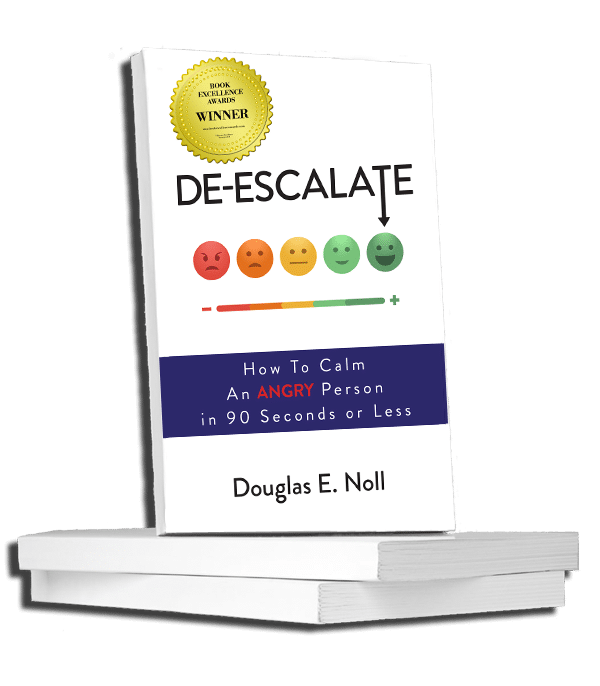
Emotional conflicts fracture teams and families. The ongoing tension breeds burnout, damages relationships, and hurts performance. The Noll Method’s 90-Second Power Move™ is a proven, neuroscience-based skill for restoring calm, tested from boardrooms to maximum-security prisons. Master this life-changing technique to transform chaos into collaboration. Book a no-obligation zoom call with Doug Noll today!
Understanding Why Tension Escalates So Fast
Marriage counselors witness the same dynamic play out session after session. A complaint about household responsibilities quickly morphs into accusations of not caring or not listening. What begins as frustration over forgotten chores becomes a referendum on love, respect, and worth. Beneath these surface battles lie deeper, often unspoken emotions: feeling invisible, unimportant, or chronically misunderstood.
When one partner voices hurt or irritation and the other immediately offers advice, defends their actions, or fires back with their own grievances, the emotional temperature spikes. Defensiveness replaces curiosity. Connection gives way to self-protection. Over time this pattern erodes trust and leaves both people feeling chronically unheard. The good news is that intentional validation can interrupt this cycle before it spirals.
What Validation Actually Looks Like
Validation is frequently misunderstood. It does not mean agreeing with everything your partner says or admitting fault when you believe you are right. Instead, it is the act of conveying: “I see that this matters deeply to you, and your emotional response makes sense given your perspective and history.”
A partner practicing validation might respond to a complaint about being ignored during a busy workday with: “It makes complete sense that you felt dismissed when I didn’t answer your messages I can imagine how unimportant that made you feel in the moment.” That single sentence often produces an almost instantaneous softening. The listener no longer needs to fight to prove their pain is real; they feel seen. Research in couples therapy consistently shows that this moment of being emotionally received dramatically lowers physiological arousal and defensiveness, creating space for calmer, more collaborative problem-solving.
How Counselors Effectively Teach Validation Skills
Experienced therapists do not simply tell couples to “validate more.” They demonstrate it live in session. A counselor might pause after one partner shares a painful memory and reflect back: “It sounds like you’ve carried a great deal of loneliness when important moments go unnoticed, and that ache feels very present right now.” Hearing their own experience mirrored without judgment or rush to fix often brings visible relief to the speaking partner.
Many clinicians draw from evidence-based models such as Emotionally Focused Therapy (EFT) and the Gottman Method, both of which place emotional safety and responsive attunement at the foundation of lasting change. Therapists frequently assign targeted “homework”: practice reflective listening during neutral, low-conflict conversations, or pause during disagreements to name the underlying feeling before offering any solutions. With consistent repetition, these once-awkward phrases become natural.
Powerful Validation Statements Couples Can Use Today
- “I can see why that hurt so much…”
- “It makes sense you’d feel that way given what happened last time.”
- “I hear how exhausting and frustrating this has been for you.”
- “Your feelings are completely understandable even though I experienced it differently.”
- “I’m really sorry you felt so alone in that moment.”
When delivered with genuine curiosity rather than rote recitation, these responses often de-escalate tension within seconds and signal deep respect for a partner’s inner reality.
The Measurable Difference Validation Makes
Couples who integrate validation into daily interactions report striking shifts. Explosive arguments become less frequent and less intense. Partners feel safer disclosing vulnerable emotions instead of armoring up or withdrawing. A husband might finally admit he fears he is failing as a provider; his wife rather than reassuring him with platitudes validates the weight of that fear. The conversation moves from defensiveness to collaboration almost immediately.
This growing emphasis on emotional health in relationships mirrors broader societal trends. The demand for professional support including couples counseling has risen steadily as more people recognize how anxiety, depression, and relational distress affect every dimension of life. Industry analysts reported that the U.S. behavioral health sector was already valued at USD 87.82 billion in 2024, reflecting serious public investment in services that help individuals and couples manage the emotional challenges of modern living.
Common Obstacles to Mastering Validation and How to Overcome Them
Validation rarely feels instinctive at first. Many adults grew up in households where emotions were downplayed, criticized, or outright punished. Learning to notice, name, and honor feelings first their own, then their partner’s requires rewiring long-held patterns. Others worry that validating equals surrendering in an argument or enabling bad behavior. Counselors gently clarify: empathy is not endorsement. You can validate someone’s pain while still holding a different view or maintaining a boundary.
Timing presents another challenge. In the heat of conflict, the impulse to defend or counterattack often overrides the ability to pause and reflect. Therapists teach couples to recognize rising physiological signs racing heart, shallow breathing and take a brief, agreed-upon break if necessary. Returning to the conversation later, when calmer, makes genuine validation far more achievable. Like any complex skill, progress comes through patience and repeated practice.
Knowing When Professional Help Is the Wisest Step
Self-guided efforts can produce meaningful improvement, yet some patterns are too entrenched or painful to shift without guidance. When home attempts at validation consistently fail, when resentment quietly accumulates, or when the same fights replay with increasing bitterness, professional intervention often becomes the most efficient path forward.
A skilled marriage counselor offers a structured, emotionally safe environment where both partners can practice new ways of responding without fear of immediate retaliation. They identify micro-invalidations that couples miss and provide customized tools tailored to each relationship’s unique history and triggers. Many couples discover that even a handful of focused sessions centered on validation techniques create lasting change.
Building a Relationship Where Tension No Longer Dominates
At its heart, validation is an act of profound respect: it affirms that another person’s internal experience is real, worthy of attention, and deserving of care. In the intimate laboratory of marriage, where daily stresses and old wounds so easily collide, this recognition becomes a powerful stabilizer.
Couples who learn to validate consistently replace escalating cycles with moments of genuine contact. Disagreements still arise no relationship escapes conflict but tension loses its power to define the connection. Understanding takes root. Safety grows. And in that calmer, more open space, partners discover not only how to argue better, but how to love more deeply.
The next time irritation begins to rise, try this small but potent experiment: pause, breathe, and offer a simple acknowledgment of feeling. “I can see this really matters to you.” Watch what happens. In that brief exchange lies one of the most reliable paths toward the closeness most couples long for.
Frequently Asked Questions
Does validating my partner’s feelings mean I have to agree with them or admit I’m wrong?
No validation is not the same as agreement or concession. It simply communicates, “I see that this matters deeply to you, and your emotional response makes sense given your perspective.” As marriage counselors clarify, empathy is not endorsement; you can fully acknowledge your partner’s pain while still holding a different view or maintaining a boundary.
What is emotional validation in marriage counseling, and why do therapists recommend it?
Emotional validation is the practice of acknowledging your partner’s feelings as legitimate and understandable, even when you see the situation differently. Marriage counselors recommend it because it directly addresses the root cause of most relationship conflicts feeling emotionally unseen or dismissed. Research in couples therapy shows that being emotionally received lowers defensiveness and physiological arousal, creating space for calmer, more collaborative problem-solving.
What are some practical validation statements couples can use to de-escalate tension quickly?
Simple, genuine phrases can make a significant difference in the heat of conflict. Examples include: *”I can see why that hurt so much,”* *”It makes sense you’d feel that way given what happened last time,”* and *”Your feelings are completely understandable, even though I experienced it differently.”* When delivered with sincere curiosity rather than rote recitation, these statements can de-escalate tension within seconds and signal deep respect for your partner’s inner experience.
Disclaimer: The above helpful resources content contains personal opinions and experiences. The information provided is for general knowledge and does not constitute professional advice.
You may also be interested in: A Mediator’s Approach to Stopping Arguments in Boardrooms
Emotional conflicts fracture teams and families. The ongoing tension breeds burnout, damages relationships, and hurts performance. The Noll Method’s 90-Second Power Move™ is a proven, neuroscience-based skill for restoring calm, tested from boardrooms to maximum-security prisons. Master this life-changing technique to transform chaos into collaboration. Book a no-obligation zoom call with Doug Noll today!
Powered by flareAI.co