In today’s high-pressure workplaces, where conflicts can erupt over budgets, deadlines, or interpersonal tensions, human resources departments are increasingly seeking tools that go beyond traditional conflict resolution. They want methods grounded in how the brain actually processes emotions. That’s where approaches like the Noll Method™ come in a neuroscience-backed technique that calms intense feelings in roughly 90 seconds. HR leaders are taking notice because this isn’t about vague advice on “being empathetic”; it’s about practical, repeatable skills that prevent escalation and foster healthier team dynamics. Professionals are turning to resources such as the emotional competency training developed by Doug Noll to build these capabilities.
Emotional conflicts fracture teams and families. The ongoing tension breeds burnout, damages relationships, and hurts performance. The Noll Method’s 90-Second Power Move™ is a proven, neuroscience-based skill for restoring calm, tested from boardrooms to maximum-security prisons. Master this life-changing technique to transform chaos into collaboration. Book a no-obligation zoom call with Doug Noll today!
Why Emotional Intelligence Matters More Than Ever in HR
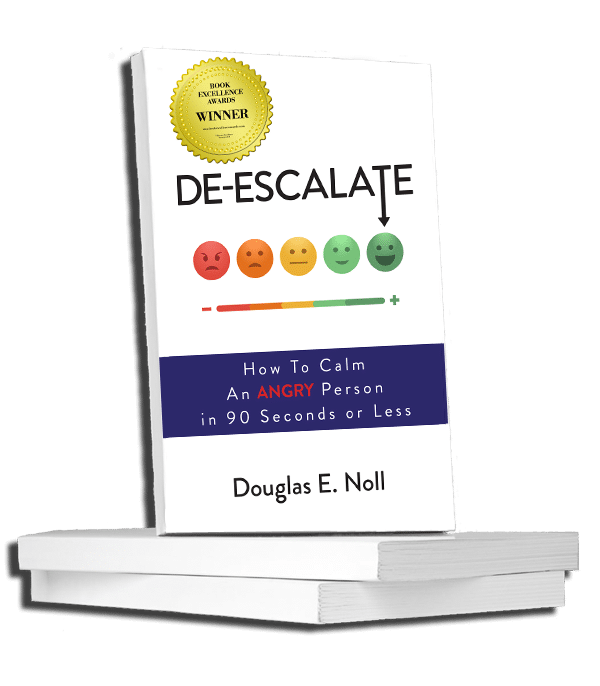
Emotional intelligence has long been recognized as a cornerstone of effective leadership and team management. But many HR professionals have grown skeptical of generic training programs that promise big results without delivering measurable change. Doug Noll, an award-winning mediator and bestselling author of De-Escalate: How to Calm an Angry Person in 90 Seconds or Less, points out a critical distinction: emotional intelligence is often measured as a trait through assessments, yet true progress comes from developing emotional competency the actual skills to handle emotions in real time.
This shift resonates deeply with HR departments dealing with rising workplace stress, hybrid team frictions, and the need for leaders who can de-escalate rather than merely manage conflict. Noll’s work, honed through years mediating in prisons, courtrooms, and corporate boardrooms, offers a concrete path forward.
The Neuroscience Behind Rapid De-Escalation
At the heart of Noll’s approach is affect labeling a simple yet powerful technique where you verbally reflect back the core emotion someone is experiencing, without judgment or attempts to fix the problem. Phrases like “It sounds like you’re feeling really frustrated” or “You’re feeling disrespected right now” engage the brain’s emotional regulation systems.
Research in affective neuroscience supports this: naming an emotion helps transfer processing from the amygdala (the fear and anger center) to the prefrontal cortex (responsible for reasoning and calm). The result? What once took hours of venting or mediation can often resolve in under two minutes. HR teams value this because it directly reduces the time spent on reactive interventions, from employee complaints to manager-subordinate blowups.
How HR Departments Are Applying These Skills
Forward-thinking HR leaders are integrating emotional competency training into leadership development programs. Managers learn to use the “90-Second Power Move” during performance reviews, team meetings, or tense negotiations. One executive, after training, reported diffusing a heated budget discussion with a senior leader by simply naming the underlying fear turning potential deadlock into productive dialogue.
These techniques prove especially useful in:
- Handling employee relations issues where emotions run high
- Supporting managers in giving difficult feedback without defensiveness
- Building cultures of psychological safety, where people feel heard rather than judged
- Reducing burnout by preventing small conflicts from snowballing
Unlike broad EI models, Noll’s method emphasizes action over self-reflection alone. It’s about what you say to others to help them regulate, not endless introspection.
Addressing Common Skepticism and Objections
Not everyone buys in immediately. Some HR professionals worry that affect labeling sounds too simplistic or risks coming across as patronizing. Noll acknowledges this: timing and tone matter enormously. If delivered robotically or at the wrong moment, it can backfire. That’s why credible training stresses practice often through role-plays and coaching over weeks, not a one-day seminar.
Another concern is the lack of standardized “certification” in emotional intelligence training. Noll himself cautions against programs that offer quick badges without rigorous curricula or scientific grounding. True competency develops through deliberate practice, not a certificate. HR departments appreciate this honesty; they want methods proven in high-conflict settings, not repackaged pop psychology.
Practical Insights Over Hype
Rather than chasing overwhelming market projections, consider the real-world impact: teams that master de-escalation spend less time in drama and more on results. Neuroscience markets are expanding as organizations invest in brain-based solutions for mental health and performance, but the value lies in application quieter meetings, stronger trust, fewer escalations to HR.
Building Emotional Competency: A Path Forward
For HR leaders ready to move beyond assessments and platitudes, the journey starts with understanding that emotional intelligence grows through skill-building. Doug Noll’s courses, including structured online training and group coaching, focus on affect labeling and de-escalation as foundational competencies.
Participants often describe a shift from feeling helpless in emotional storms to confidently steering them toward calm. One leader noted it transformed how they coached their team, creating deeper connections in minutes rather than months.
Final Thoughts: The HR Advantage in a Tense World
As workplaces navigate uncertainty, HR departments that equip leaders with precise, science-backed emotional tools gain a clear edge. They reduce conflict’s hidden costs lost productivity, turnover, morale dips while cultivating environments where people thrive. The Noll Method™ isn’t a magic wand, but it offers something rare: a reliable way to turn chaos into clarity, fast.
In the end, the most effective HR strategies don’t just react to problems; they prevent them. Emotional competency training provides exactly that proactive power one conversation at a time.
Frequently Asked Questions
What is emotional intelligence certification, and why are HR departments interested in it?
Emotional intelligence certification refers to structured training programs that build practical skills for managing and de-escalating emotions in the workplace. Unlike traditional assessments that measure EI as a fixed trait, certifications grounded in emotional competency like Doug Noll’s Noll Method™ teach repeatable, neuroscience-backed techniques. HR departments are drawn to these programs because they deliver measurable results, such as fewer escalations, reduced burnout, and stronger team dynamics, rather than vague advice on empathy.
How does the 90-Second Power Move™ work to calm conflict in the workplace?
The 90-Second Power Move™ is based on a technique called affect labeling, where you verbally reflect the core emotion someone is experiencing for example, saying “You’re feeling disrespected right now.” This engages the brain’s emotional regulation systems, shifting processing from the amygdala (the brain’s fear and anger center) to the prefrontal cortex, which governs calm reasoning. Research in affective neuroscience supports this approach, and HR leaders value it because what once required hours of mediation can often resolve in under two minutes.
Is emotional intelligence training actually effective, or is it just workplace hype?
When grounded in neuroscience and taught through deliberate practice rather than a one-day seminar or a quick badge emotional intelligence training produces real, lasting change. Doug Noll, who developed his methods mediating in prisons, courtrooms, and corporate boardrooms, cautions against programs lacking rigorous curricula or scientific backing. HR departments that implement skill-based training report quieter meetings, fewer conflict escalations, and leaders who can confidently steer emotional situations toward productive dialogue.
Disclaimer: The above helpful resources content contains personal opinions and experiences. The information provided is for general knowledge and does not constitute professional advice.
You may also be interested in: How a Proven Method Calms High-Stakes Business Disputes
Emotional conflicts fracture teams and families. The ongoing tension breeds burnout, damages relationships, and hurts performance. The Noll Method’s 90-Second Power Move™ is a proven, neuroscience-based skill for restoring calm, tested from boardrooms to maximum-security prisons. Master this life-changing technique to transform chaos into collaboration. Book a no-obligation zoom call with Doug Noll today!
Powered by flareAI.co