The fight-or-flight response, that ancient wiring in our brains, hasn’t quite caught up to the modern office. One minute you’re typing an email, the next your pulse is racing over a colleague’s terse Slack message. High-stakes conversations performance reviews, difficult feedback sessions, tense negotiations frequently go off the rails not because of malice or incompetence, but because our biology mistakes interpersonal tension for mortal danger.
We’ve all lived through it: a routine one-on-one suddenly turns defensive, sentences shorten, tone sharpens, and both sides retreat into emotional bunkers. The culprit is not poor communication skills alone; it is the brain’s ancient threat-detection machinery responding faster than conscious thought. Understanding this mechanism provides a clear, practical way to keep even the most charged discussions on track and productive.
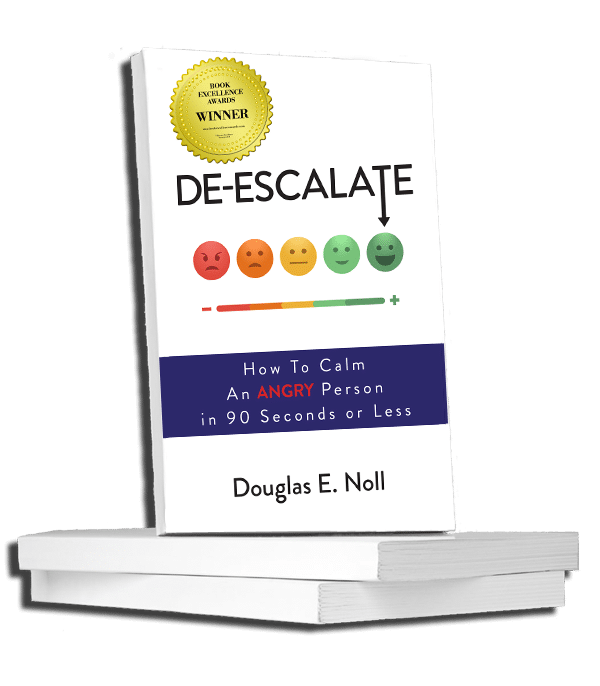
Emotional conflicts fracture teams and families. The ongoing tension breeds burnout, damages relationships, and hurts performance. The Noll Method’s 90-Second Power Move™ is a proven, neuroscience-based skill for restoring calm, tested from boardrooms to maximum-security prisons. Master this life-changing technique to transform chaos into collaboration. Book a no-obligation zoom call with Doug Noll today!
The Brain’s Lightning-Fast Threat Detector
When the brain registers a potential threat whether a physical predator or a sharply worded question during a video call the amygdala activates almost immediately. It alerts the hypothalamus, which then engages the sympathetic nervous system. Within seconds adrenaline and noradrenaline surge through the bloodstream. Heart rate accelerates, blood pressure rises, muscles prepare for exertion, and functions such as digestion are temporarily suppressed. The body is now primed for survival: fight, flee, or freeze.
This system evolved to protect us from immediate physical harm. In today’s workplaces, however, it frequently misfires. The amygdala responds to social and emotional cues criticism, ambiguity, perceived rejection with nearly the same intensity it once reserved for genuine danger. Because the prefrontal cortex, which governs reasoning and impulse control, processes information more slowly, defensive or impulsive reactions often emerge before we can think clearly.
Everyday Workplace Triggers That Feel Like Threats
Contemporary professional life is packed with subtle cues that the amygdala interprets as danger. An ambiguous comment in an email. A long silence on a Zoom call. A direct challenge during a strategy discussion. The brain tends to default to caution, treating emotional risk as equivalent to physical peril.
Remote and hybrid work environments intensify the problem. Without the rich stream of nonverbal signals facial micro-expressions, posture shifts, vocal tone variations people routinely misread intent. Neutral statements can feel pointed; constructive feedback can register as personal attack. The absence of those real-time social buffers keeps the sympathetic nervous system chronically primed, transforming routine interactions into potential conflict zones.
The Organizational Toll of Repeated Derailments
When fight-or-flight dominates a conversation, constructive dialogue collapses. Participants withdraw, escalate, deflect with sarcasm, or shut down entirely. Unresolved tension accumulates. Trust frays. Over months or years teams grow cautious rather than candid, creativity suffers, and genuine collaboration becomes rare.
Forward-thinking organizations have recognized this pattern and responded with significant investment in soft-skills development. The global leadership development coaching market has grown substantially in recent years, fueled by companie’s determination to strengthen manager’s abilities in communication, conflict navigation, and pressure management. Many programs now emphasize personalized, flexible formats blending online modules with live sessions to deliver practical tools that produce measurable improvements in team dynamics.
Emotional intelligence training has followed a similar trajectory, reflecting widespread acknowledgment that self-awareness and relationship skills are essential for leadership effectiveness, employee engagement, and organizational resilience. Companies increasingly embed these programs into broader talent strategies, seeking better collaboration, psychological safety, and adaptability in rapidly changing environments.
Emotional Intelligence as the Circuit Breaker
Emotional intelligence offers one of the most reliable ways to interrupt the fight-or-flight cycle before it hijacks a conversation. The key lies in early detection of physiological warning signs: a racing heart, shallow breathing, clenched jaw, or sudden heat in the face. Recognizing these signals creates a narrow window in which to regain control.
Several evidence-based techniques reliably activate the parasympathetic nervous system and restore prefrontal cortex function:
- Deliberate slow breathing: Deep, diaphragmatic breaths quickly lower heart rate and signal safety to the nervous system.
- Naming the emotion: Verbally labeling the feeling “I’m starting to feel defensive” dampens amygdala activation and restores perspective.
- Shifting to “I” statements: Replacing blame-oriented phrasing (“You always interrupt me”) with ownership language (“I feel unheard when I’m cut off”) reduces perceived threat and opens space for mutual understanding.
These interventions do not erase stress; they buy the rational brain enough time to participate, converting reactive standoffs into thoughtful exchanges.
Making Regulation a Lasting Habit
One-time workshops produce limited results. Lasting change requires consistent practice. Leaders who regularly rehearse self-regulation notice fewer conversations spiraling out of control. Teams that adopt shared language around these tools recover from tension more quickly and maintain higher trust levels. The growing popularity of blended and virtual training reflects organization’s preference for accessible, repeatable skill-building that fits busy schedules.
From Biology to Breakthrough Conversations
High-stakes discussions do not need to end in frustration or resentment. Reframing the fight-or-flight response as a protective feature rather than a personal failing removes unnecessary blame and invites collaborative problem-solving. Everyone in the room shares the same wiring; the challenge is learning to work with it rather than against it.
The next time emotion begins to rise in a critical conversation, pause and notice what your body is signaling. Breathe intentionally. Name what is happening inside. Choose language that lowers the stakes for both sides. These small, deliberate acts disrupt the ancient alarm long enough for reason and empathy to re-enter the dialogue.
In today’s leadership landscape where success increasingly depends on guiding people through complexity and uncertainty rather than issuing commands fluency in emotional self-regulation has become a core competence. Teams that master it do not merely survive pressure; they emerge stronger, more cohesive, and more innovative because of it.
Frequently Asked Questions
Why do workplace conversations become defensive or emotional so quickly?
High-stakes conversations often derail because the brain’s amygdala its ancient threat-detection system responds to social and emotional cues like criticism or ambiguity with nearly the same intensity as a physical threat. This triggers the fight-or-flight response, flooding the body with adrenaline before the rational prefrontal cortex can intervene. The result is shortened sentences, a sharpened tone, and both parties retreating into defensive mode not because of bad intentions, but because of hardwired biology.
How does emotional intelligence help during high-pressure conversations at work?
Emotional intelligence acts as a circuit breaker for the fight-or-flight response by helping people recognize early physiological warning signs like a racing heart or shallow breathing before they escalate. Evidence-based techniques such as slow diaphragmatic breathing, naming the emotion out loud, and using “I” statements can activate the parasympathetic nervous system and restore clearer thinking. These tools don’t eliminate stress, but they create enough of a pause for reason and empathy to re-enter the conversation.
Why are remote and hybrid work environments more prone to communication breakdowns?
Without the rich stream of nonverbal cues available in person facial expressions, posture, and vocal tone remote workers are far more likely to misread neutral messages as pointed or hostile. This absence of real-time social signals keeps the sympathetic nervous system chronically primed, turning routine interactions into potential conflict zones. Organizations are increasingly investing in leadership coaching and emotional intelligence training to equip managers with the skills needed to navigate these challenges effectively.
Disclaimer: The above helpful resources content contains personal opinions and experiences. The information provided is for general knowledge and does not constitute professional advice.
You may also be interested in: Instantly Defuse Defensive Prospects With These 4 Powerful De
Emotional conflicts fracture teams and families. The ongoing tension breeds burnout, damages relationships, and hurts performance. The Noll Method’s 90-Second Power Move™ is a proven, neuroscience-based skill for restoring calm, tested from boardrooms to maximum-security prisons. Master this life-changing technique to transform chaos into collaboration. Book a no-obligation zoom call with Doug Noll today!
Powered by flareAI.co