Quick Listen:
We’ve all experienced it: a conversation begins calmly, but within moments, voices sharpen, words escape before thought, or we withdraw completely. The intention was clear stay composed, listen actively, respond with care but composure evaporates under pressure. On the surface, calm communication appears straightforward: slow your speech, breathe deeply, select words deliberately. In reality, it ranks among the most challenging human skills. What makes this apparently simple act so profoundly difficult?
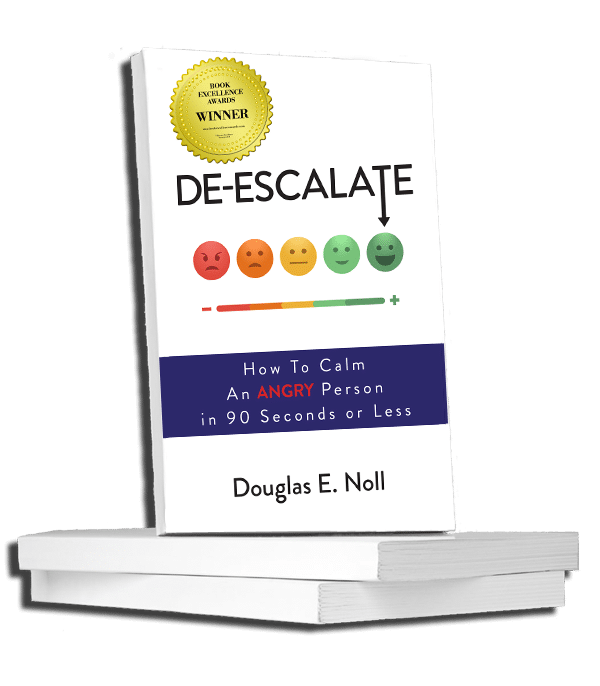
Emotional conflicts fracture teams and families. The ongoing tension breeds burnout, damages relationships, and hurts performance. The Noll Method’s 90-Second Power Move™ is a proven, neuroscience-based skill for restoring calm, tested from boardrooms to maximum-security prisons. Master this life-changing technique to transform chaos into collaboration. Book a no-obligation zoom call with Doug Noll today!
The Brain’s Survival Circuitry Dominates
Human brains evolved primarily for survival, not peaceful dialogue. When tension rises perhaps from a partner’s irritation, a manager’s critique, or a relative’s sharp comment the amygdala, our brain’s rapid threat detector, activates almost immediately. This almond-shaped structure interprets potential danger and launches the fight-or-flight response: heart rate accelerates, breathing becomes shallow, muscles tense. Meanwhile, the prefrontal cortex the region governing rational analysis, impulse control, empathy, and perspective temporarily loses influence.
This response pattern protected our ancestors from genuine threats. Today, it misfires during everyday disagreements over schedules, responsibilities, or differing views. The body demands immediate action while the mind fights to maintain restraint, creating an internal tug-of-war that explains why composure feels so elusive.
Emotions Surge Faster Than Language
Feelings often overwhelm before we can articulate them. A wave of anger, hurt, or anxiety floods the system, narrowing attention to the perceived threat and sidelining broader context. Psychologists term this phenomenon amygdala hijack, where intense emotion bypasses deliberate thought, prompting defensive retorts, sarcasm, withdrawal, or regrettable outbursts.
In intimate relationships, where emotional investment runs deepest, the effect intensifies. The very people whose opinions matter most become the strongest triggers, transforming ordinary exchanges into charged confrontations. Rational intentions dissolve as the brain prioritizes protection over connection.
Past Experiences Shape Present Reactions
No conversation occurs in isolation. Each carries the residue of prior interactions. When earlier discussions ended in invalidation, mockery, or lingering resentment, the nervous system anticipates similar pain. Neutrality begins to feel hazardous; openness seems to invite vulnerability that once led to hurt.
Layer on chronic stress from demanding jobs, insufficient rest, or ongoing life pressures and the challenge compounds. A perpetually alert nervous system magnifies small frictions into major threats. Patience erodes, and the mental resources needed for measured responses dwindle, leaving reactivity as the default.
Societal Norms Work Against Restraint
Contemporary culture frequently celebrates speed, volume, and unfiltered expression. Social platforms reward instant, biting comebacks. Professional environments sometimes confuse bluntness with strength. In such contexts, deliberate, measured speech can appear hesitant or passive rather than intentional and powerful.
Individuals who process deeply or feel intensely encounter extra obstacles. They naturally consider layers of meaning and potential impact, yet real-time pressure to reply swiftly disrupts that careful deliberation. Hesitation gets misread as detachment; hurried answers fall short of intent.
Key Obstacles to Maintaining Composure
- Physiological activation: Adrenaline impairs clear cognition and constricts vocal control.
- Misread intentions: We project hostility or judgment where none exists, fueling internal escalation.
- Insufficient rehearsal: Effective calm responses under duress require deliberate practice, yet safe opportunities remain rare.
- Vulnerability aversion: Measured expression often reveals authentic emotions, which many perceive as unsafe.
Advances in Neuroscience Highlight the Challenge and the Potential
Research into brain function continues to deepen our understanding of these dynamics. The global neuroscience market, valued at USD 43.5 billion in 2023, reflects surging interest in studying nervous system structure, function, and pathology. Innovations such as portable imaging tools and frameworks for analyzing neural signals are expanding our ability to explore emotional regulation and social behavior.
These developments underscore a vital truth: calm communication demands active regulation of ancient neural pathways. Techniques that engage the prefrontal cortex such as deep breathing, silent emotion labeling (“I’m noticing defensiveness rising”), or brief pauses can interrupt hijack cycles and restore balance. Consistent practice in everyday interactions builds resilience for more demanding exchanges.
Why Mastery of Calm Matters Deeply
In a time of deepening divides and constant distraction, the ability to communicate calmly emerges as an exceptional strength. It lowers tension, builds genuine understanding, and safeguards relationships that matter most. Yet the very difficulty of achieving it illuminates why so many exchanges veer off course.
Embracing this reality fosters self-compassion rather than self-criticism. Improvement stems not from pretending calm comes naturally, but from patiently training the brain to respond rather than react. Small, repeated efforts compound over time, widening the gap between stimulus and response.
Embracing the Human Struggle
Calm communication remains demanding precisely because we are intricate beings driven by biology, molded by history, influenced by culture. Pretending otherwise invites unnecessary frustration. Recognizing the effort involved marks the beginning of genuine progress.
The next time emotions surge in conversation, recall that the battle to stay grounded reflects our full humanity. It signals deep investment in meaningful connection. Through persistent, compassionate practice, that struggle transforms into the foundation for clearer, kinder, more authentic exchanges.
Frequently Asked Questions
Why is it so hard to stay calm during an argument or difficult conversation?
Staying calm is hard because your brain’s survival circuitry works against you. When tension rises, the amygdala your brain’s threat detector triggers a fight-or-flight response, flooding your body with adrenaline and temporarily reducing the influence of the prefrontal cortex, which controls rational thinking and impulse control. This means your body is primed for action before your mind can choose a measured response.
What is amygdala hijack and how does it affect communication?
Amygdala hijack is a psychological phenomenon where intense emotion bypasses rational thought, causing defensive outbursts, withdrawal, or sarcasm before you’ve had a chance to think. It’s especially powerful in close relationships, where emotional stakes are highest and the people who matter most can become the strongest triggers. Recognizing when a hijack is occurring for example, by silently labeling the emotion is one of the first steps to regaining composure.
What are practical techniques to communicate more calmly under pressure?
Techniques that engage the prefrontal cortex can help interrupt the hijack cycle and restore balance. Deep breathing, taking a brief pause before responding, and silently labeling your emotions (e.g., “I’m noticing defensiveness rising”) are all evidence-backed strategies. Consistent practice in lower-stakes everyday conversations builds the neural resilience needed to stay grounded during more charged exchanges.
Disclaimer: The above helpful resources content contains personal opinions and experiences. The information provided is for general knowledge and does not constitute professional advice.
You may also be interested in: 8 Powerful Biblical Peacemaking Tools to Handle Anger With Grace
Emotional conflicts fracture teams and families. The ongoing tension breeds burnout, damages relationships, and hurts performance. The Noll Method’s 90-Second Power Move™ is a proven, neuroscience-based skill for restoring calm, tested from boardrooms to maximum-security prisons. Master this life-changing technique to transform chaos into collaboration. Book a no-obligation zoom call with Doug Noll today!
Powered by flareAI.co