Quick Listen:
In today’s North American workplaces, where teams bring together varied backgrounds, perspectives, and priorities, conflict is inevitable and often costly. Unresolved tensions erode productivity, fuel turnover, and undermine morale. Organizations are armed with proven strategies to transform these challenges into drivers of stronger performance and collaboration.
Emotional conflicts fracture teams and families. The ongoing tension breeds burnout, damages relationships, and hurts performance. The Noll Method’s 90-Second Power Move™ is a proven, neuroscience-based skill for restoring calm, tested from boardrooms to maximum-security prisons. Master this life-changing technique to transform chaos into collaboration. Book a no-obligation zoom call with Doug Noll today!
Top 8 Workplace Conflict Resolution Strategies for 2026: Proven Approaches to Build Resilient Teams
Leading organizations are prioritizing mediation, emotional competency training, and de-escalation coaching to foster healthier dynamics and sustained success.
The stakes are clear from industry data. The global conflict resolution solutions market, valued at approximately $10.99 billion in 2025, is forecasted to reach $17.76 billion by 2032, growing at a compound annual rate of 7.1%. In North America, the workplace conflict management sector stands at $3.56 billion in 2025, projected to hit $7.40 billion by 2032 with an 11% CAGR. These investments reflect a recognition that effective conflict management isn’t optional it’s essential for competitive advantage.
Incivility alone compounds the issue. Across U.S. workplaces, millions of uncivil acts occur daily, diverting focus and escalating minor issues into major disruptions. When handled poorly, conflict leads to absenteeism, grievances, and litigation, all eroding organizational goals.
Key Trends Driving Conflict Resolution Forward
A prominent trend is the emphasis on emotional intelligence in leadership. Research surveying 100 professionals reveals robust connections between EI components such as self-awareness, self-regulation, empathy, and social skills and enhanced leadership outcomes. Leaders exhibiting strong EI are viewed as more empathetic, ethical, and skilled at building trust, resolving disputes, and motivating teams, ultimately elevating collaboration and performance.
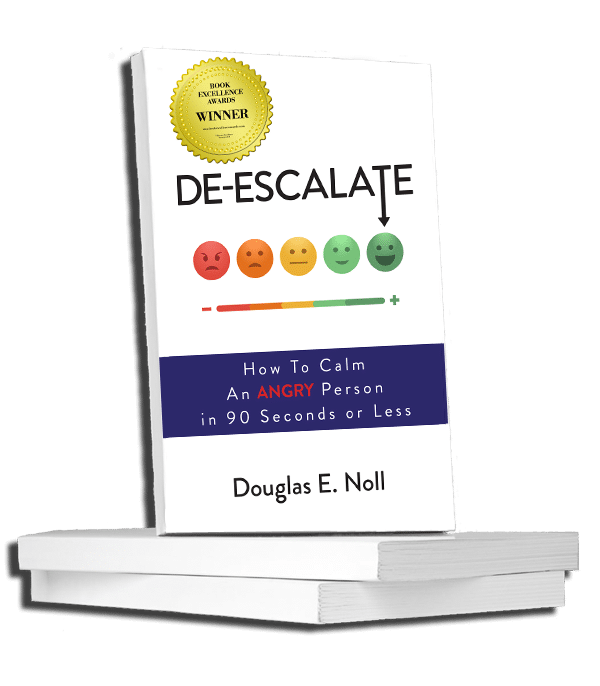
De-escalation coaching is gaining momentum as a practical solution. Drawing from over 40 years of expertise, including groundbreaking work training life-sentenced inmates to reduce prison violence, Doug Noll offers unique, proprietary methods as the only expert guaranteeing mastery of skills to halt arguments and fights through emotional proficiency. This directly counters common hesitations: doubts about efficacy, the notion that conflict is unavoidable, or discomfort with emotional engagement.
Technology is accelerating progress too. Organizations are embracing AI-powered tools for real-time monitoring, virtual mediation, and predictive analytics, particularly to navigate remote and hybrid work stresses.
Practical Applications in Real Organizations
Forward-thinking tech firms have rolled out structured mediation initiatives, training neutral facilitators to guide employees toward independent resolutions. This reduces escalation and empowers staff to address interpersonal issues swiftly.
Healthcare providers, operating in high-pressure environments, have seen marked improvements from de-escalation programs. Institutions akin to large systems like AdventHealth and Kaiser Permanente have implemented targeted coaching, lowering staff confrontations, enhancing teamwork, and supporting better patient care.
Similar adoption is evident in education, public services, and professional sectors, where proactive measures prevent everyday frictions from derailing operations.
The Top 8 Strategies Dominating 2026
Experts and data point to these evidence-based approaches as most effective:
- Emotional Competency Training: Cultivate self-awareness and empathy to intercept escalation early.
- Professional De-Escalation Coaching: Acquire reliable techniques to neutralize emotional triggers and restore rationality rapidly.
- Structured Mediation Programs: Employ impartial facilitators for balanced, consensual outcomes.
- Fostering Open Communication: Create safe channels for timely expression of concerns.
- Digital and AI Platforms: Leverage tools for discreet reporting and streamlined guidance.
- Cultural Sensitivity Initiatives: Adapt methods to diverse backgrounds and communication norms.
- Leadership by Example: Have executives model composed, empathetic handling of disagreements.
- Continuous Training and Reinforcement: Treat skill-building as ongoing to solidify new behaviors.
Integrating these fosters environments where differences spark innovation rather than division.
Common Challenges and How to Overcome Them
Implementation isn’t without hurdles. Skepticism persists some view emotional approaches as impractical, while others resist vulnerability. In multicultural settings, standardized programs may misalign, as directness in one context reads as aggression in another.
Superficial efforts backfire, intensifying distrust. Success demands expert guidance, leadership commitment, and tailored adaptation to avoid unintended consequences.
The Tangible Returns on Investment
Organizations mastering these strategies reap significant gains. Prompt resolution frees teams to concentrate on core objectives, boosting output. Trust deepens, spurring idea-sharing and creative problem-solving.
Employee satisfaction rises in empathetic cultures, curbing expensive turnover and attracting high-caliber talent. Overall, resilient teams better withstand market pressures and deliver superior results.
Building Calmer, More Productive Workplaces Ahead
With hybrid models enduring, will see deepened reliance on emotional acumen, advanced digital solutions, and executive accountability. Leading voices advocate comprehensive blends of training, accessible mediation, and cultures prioritizing transparency.
North American leaders can no longer dismiss conflict as inherent to work life. Embracing validated de-escalation and emotional expertise yields measurable harmony and unity. Discover tailored training, coaching, and keynote services at dougnoll.com to prepare your organization for lasting success. The price of complacency is steep; the rewards of proactive mastery, profound.
Frequently Asked Questions
What are the most effective workplace conflict resolution strategies for 2026?
The top strategies include emotional competency training, professional de-escalation coaching, structured mediation programs, and fostering open communication channels. Organizations are also leveraging AI-powered digital platforms for real-time monitoring and virtual mediation, while emphasizing leadership by example and cultural sensitivity initiatives. These evidence-based approaches help transform workplace conflicts into opportunities for collaboration and innovation.
Why is emotional intelligence important for workplace conflict resolution?
Research shows strong connections between emotional intelligence components such as self-awareness, self-regulation, empathy, and social skills and enhanced leadership outcomes in conflict situations. Leaders with high emotional intelligence are viewed as more empathetic, ethical, and skilled at building trust, resolving disputes, and motivating teams. This emotional competency enables leaders to intercept escalation early and restore rational dialogue, ultimately elevating collaboration and performance.
How much are companies investing in workplace conflict management solutions?
The North American workplace conflict management sector is valued at $3.56 billion in 2025 and is projected to reach $7.40 billion by 2032, growing at an 11% compound annual growth rate. Globally, the conflict resolution solutions market is forecasted to grow from $10.99 billion in 2025 to $17.76 billion by 2032. These significant investments reflect organization’s recognition that effective conflict management is essential for competitive advantage, reducing costly issues like absenteeism, turnover, and litigation.
Disclaimer: The above helpful resources content contains personal opinions and experiences. The information provided is for general knowledge and does not constitute professional advice.
You may also be interested in: The Impact of Specialized De-escalation Skills in Business
Emotional conflicts fracture teams and families. The ongoing tension breeds burnout, damages relationships, and hurts performance. The Noll Method’s 90-Second Power Move™ is a proven, neuroscience-based skill for restoring calm, tested from boardrooms to maximum-security prisons. Master this life-changing technique to transform chaos into collaboration. Book a no-obligation zoom call with Doug Noll today!
Powered by flareAI.co