In the high-pressure arenas of North American boardrooms, courtrooms, and diplomatic tables, one understated skill increasingly determines whether negotiations end in breakthrough agreements or frustrating stalemates: the disciplined art of remaining calm.
As tensions escalate in deals involving billions or disputes carrying profound personal stakes, emotional control stands out not as a mere nicety, but as a powerful strategic advantage. Experts in mediation, leadership development, and conflict resolution stress that true mastery of calm goes beyond stifling emotions it means harnessing them to build trust, sharpen judgment, and drive superior results.
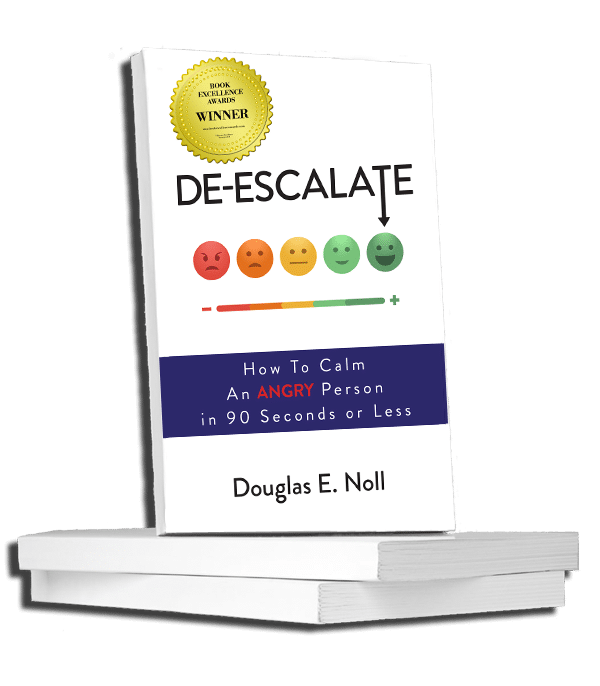
Emotional conflicts fracture teams and families. The ongoing tension breeds burnout, damages relationships, and hurts performance. The Noll Method’s 90-Second Power Move™ is a proven, neuroscience-based skill for restoring calm, tested from boardrooms to maximum-security prisons. Master this life-changing technique to transform chaos into collaboration. Book a no-obligation zoom call with Doug Noll today!
The Rising Value of Calm in Modern Negotiations
Across industries, North American leaders are recognizing the shortcomings of traditional hardline tactics. Aggressive bargaining and inflexible stances often collapse when emotions flare. Research from the Program on Negotiation at Harvard Law School demonstrates that negotiators skilled in perceiving, understanding, and managing emotions core elements of emotional intelligence (EI) secure higher joint gains, leaving both parties more satisfied and open to future collaboration.
This evolution mirrors surging investment in professional skills training. The global negotiation training market reached USD 4.2 billion in 2024 and is projected to expand at a CAGR of 8.1% from 2025 to 2033, reaching USD 8.1 billion by 2033. Growth stems from the mounting complexity of cross-border transactions, globalization demands, and the need to navigate cultural, regulatory, and stakeholder differences factors that make effective communication and conflict management essential for success.
Corporate programs now routinely integrate EI training, often enhanced by AI-driven tools that simulate intense scenarios for practicing regulation. The result is tangible: composed negotiators cut through emotional noise, accelerate decisions, and transform potential deadlocks into collaborative breakthroughs.
Lessons from the Field: Calm in Action
High-stakes corporate mergers reveal how composure can tip the scales. The 2015–2016 Marriott-Starwood acquisition unfolded amid fierce competition, including unsolicited bids from a consortium led by Anbang Insurance Group. Despite the volatility multiple counteroffers, price escalations from an initial $12.2 billion to a final $13.6 billion, and regulatory hurdles Marriott’s leadership maintained measured focus on long-term value and integration.
By prioritizing clarity over reactive maneuvering, they ultimately prevailed, creating the world’s largest hotel company with more than 5,700 properties and 30 brands across 110+ countries. Such poise preserved momentum, built stakeholder confidence, and enabled a smooth post-merger path.
In another landmark case of pressure negotiation, the 2009 Chrysler restructuring during the financial crisis showcased calm under existential threat. Facing near-collapse, the U.S. Treasury Department negotiated a $12 billion federal loan package in exchange for bankruptcy protection and ownership redistribution: a union healthcare trust (VEBA) received 68% and a $4.59 billion note relieving retiree health obligations, the Treasury took 10%, and the Canadian government 2%. This coolheaded restructuring paved the way for Chrysler’s recovery and eventual profitability.
These cases highlight a consistent truth: leaders who pause, regulate responses, and validate other’s emotions reduce impasse risks, foster reciprocity, and capture lasting value. In political, legal, and diplomatic contexts, mediators apply similar de-escalation acknowledging feelings while holding firm to sustain constructive dialogue.
The Hurdles: Why Calm Isn’t Always Easy
Despite the evidence, embedding emotional control training encounters pushback. Many organizations default to “tough” tactics, equating calmness with concession or weakness, especially in cultures that prize aggression.
Over-dependence on regulation poses risks too. Masking emotions without tackling underlying issues can suppress conflicts temporarily, leading to resentment, burnout, or recurring disputes. Physical signs of anxiety sweaty palms, racing heart often signal deeper discomfort, and unchecked pressure can prompt rash concessions or premature exits.
Effective approaches demand innovation: blending mindfulness, role-playing, conscious breathing, and reflective practice. Strategies from negotiation experts include practicing emotional awareness (naming feelings to respond thoughtfully), leading with empathy (validating perspectives to diffuse tension), and balancing clarity with kindness (asserting needs collaboratively).
The Payoff: Efficiency, Culture, and Long-Term Gains
Calm yields dividends well beyond individual deals. By minimizing reactive delays, composed leaders close agreements faster and more decisively. High EI correlates with stronger team cohesion, improved retention, and resilient external partnerships.
Evidence from business research circles shows calm leadership cascades downward: executives who handle pressure with poise set a tone that enhances collaboration, sparks innovation, and strengthens organizational relationships. In an era of volatility, these qualities cultivate cultures equipped for sustained success.
A Core Competency for Tomorrow’s Leaders
Mediation and coaching authorities advocate deliberate skill-building: daily mindfulness, structured simulations, and ongoing practice to fortify resilience in high-stakes moments.
As emotional intelligence solidifies as a foundational leadership trait fueled by market growth and real-world proof the negotiators who excel will do more than win transactions. They will forge enduring alliances, resolve conflicts durably, and lead with the understated power that converts rivals into reliable partners. In today’s complex landscape, calm emerges as the decisive, human edge.
Frequently Asked Questions
Why is emotional control important in high-stakes negotiations?
Emotional control, or emotional intelligence (EI), allows negotiators to perceive, understand, and manage emotions effectively during intense discussions. Research from Harvard Law School’s Program on Negotiation shows that negotiators with strong EI skills secure higher joint gains and leave both parties more satisfied. By maintaining composure, leaders can reduce impasse risks, make clearer decisions, and transform potential deadlocks into collaborative breakthroughs.
What are some real-world examples of calm leadership in negotiations?
The 2015-2016 Marriott-Starwood merger demonstrates the power of composed negotiation, where Marriott’s leadership maintained measured focus despite fierce competition and multiple counteroffers, ultimately creating the world’s largest hotel company. Similarly, during the 2009 Chrysler restructuring amid the financial crisis, negotiators remained coolheaded under existential pressure to secure a $12 billion federal loan package and restructure ownership, paving the way for Chrysler’s eventual recovery and profitability.
How can professionals develop better emotional regulation skills for negotiations?
Experts recommend a multi-faceted approach including daily mindfulness practice, structured role-playing simulations, and conscious breathing techniques. Key strategies include practicing emotional awareness by naming your feelings before responding, leading with empathy to validate other’s perspectives, and balancing assertiveness with kindness when stating your needs. Organizations are increasingly investing in EI training programs, often enhanced by AI-driven tools that simulate high-pressure scenarios for practicing emotional regulation.
Disclaimer: The above helpful resources content contains personal opinions and experiences. The information provided is for general knowledge and does not constitute professional advice.
You may also be interested in: How Unique Training Helps Leaders Master Emotional Challenges
Emotional conflicts fracture teams and families. The ongoing tension breeds burnout, damages relationships, and hurts performance. The Noll Method’s 90-Second Power Move™ is a proven, neuroscience-based skill for restoring calm, tested from boardrooms to maximum-security prisons. Master this life-changing technique to transform chaos into collaboration. Book a no-obligation zoom call with Doug Noll today!
Powered by flareAI.co