Quick Listen:
You know that familiar shift in a conversation: it starts as a simple exchange of views, perhaps with a coworker about strategy or a partner about daily routines, and then it veers. Suddenly, it’s no longer about finding common ground but about coming out on top. You make a compelling argument, they back down or go quiet, and there’s a fleeting sense of accomplishment. But soon, the vibe changes tension lingers, rapport fades, and the core problem remains unresolved. Why does securing a “win” in these moments so often erode the bonds we depend on?
The explanation draws from neuroscience and psychology, centering on the profound need to feel heard. When individuals perceive that their emotions and viewpoints are genuinely acknowledged, barriers lower, paving the way for real dialogue. Conversely, when they sense dismissal or domination, the brain interprets it as a threat, leading to lasting relational strain well beyond the disagreement.
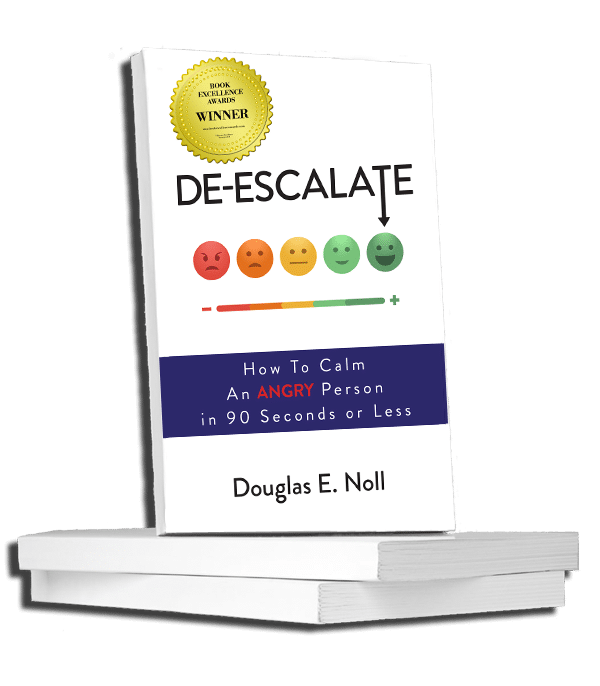
Emotional conflicts fracture teams and families. The ongoing tension breeds burnout, damages relationships, and hurts performance. The Noll Method’s 90-Second Power Move™ is a proven, neuroscience-based skill for restoring calm, tested from boardrooms to maximum-security prisons. Master this life-changing technique to transform chaos into collaboration. Book a no-obligation zoom call with Doug Noll today!
The Amygdala Hijack: Emotion’s Takeover of Rational Thought
Renowned psychologist Daniel Goleman introduced the concept of the amygdala hijack to capture how powerful emotions can overwhelm us. This almond-shaped structure in the brain acts as an early warning system, spotting potential dangers and reallocating neural resources away from the prefrontal cortex the area governing rational analysis, empathy, self-regulation, and broader perspective.
During such a hijack, even benign comments can seem hostile. A neutral inquiry might be taken as judgment, or a bid for more details as an assault. You could prevail in the debate through sharp reasoning or sheer insistence, but the other’s autonomic response records it as a loss. This neural residue promotes ongoing caution, evasion, or counterattacks, turning what seemed like a triumph into a subtle saboteur of trust.
To illustrate, consider a team meeting where differing opinions on a deadline clash. If one side forcefully asserts dominance, the “loser” might comply outwardly but harbor resentment, leading to reduced input in future discussions. Over time, this pattern stifles innovation and team cohesion.
Affect Labeling: A Proven Strategy to De-escalate Tension
Amid this, a reliable, evidence-based approach emerges. Affect labeling involves serenely identifying the prevailing emotion, which can swiftly disrupt rising conflict. Groundbreaking brain imaging research at UCLA revealed that verbalizing emotions diminishes amygdala activation while enhancing prefrontal cortex function.
Phrases as basic as “This appears to be frustrating you deeply” or “I notice this is stirring strong feelings” prove effective, whether self-applied or directed outward. Rather than battling the sentiment, acknowledging it opens room for logic to re-emerge and mutual respect to rebuild. The focus moves from domination to empathy, transforming potential rifts into opportunities for deeper understanding.
This method draws credibility from extensive studies, showing its utility in therapy, conflict resolution, and everyday interactions. For instance, in high-stakes negotiations, labeling emotions has been linked to more amicable outcomes and sustained agreements.
How Remote and Hybrid Work Amplifies Conflict Risks
The pivot to remote and hybrid models has eliminated many organic buffers against discord. In-office settings once offered casual outlets like impromptu talks or shared breaks to ease minor irritations before they escalated.
Virtual platforms strip away these nuances. Emails and chats omit vocal inflection, expressions, and gestures essential for accurate intent reading. A postponed response can feel like rejection; a brief note, abrupt. Absent informal recalibrations, misinterpretations pile up, priming the amygdala for quicker activation. What begins as a slight variance can solidify into rigid opposition.
In practice, this manifests in prolonged email disputes or muted video calls where participants disengage. Winning an online argument might halt the exchange, but it frequently fosters isolation, bitterness, and hesitancy in future collaborations, exacerbating burnout in already strained remote teams.
The Overlooked Toll of Prioritizing Being Right
Pursuing wins in debates establishes a self-perpetuating brain circuit. A successful zinger releases dopamine, rewarding and encouraging the approach. On the flip side, the counterpart endures elevated cortisol, nurturing grudge-holding and eroded confidence. Enduring connections, be they at work or home, rely on balance and esteem, not continual assertions of superiority.
The backfire effect, documented in psychology literature, compounds this. Confronting deeply held views aggressively often reinforces them. Vigorous debunking entrenches positions instead of shifting them. Within groups or intimates, accumulated “victories” accrue unspoken costs: accumulated animosities, diminished candor, and growing aversion to interaction.
Extending this, chronic patterns can lead to broader issues like high turnover in organizations or emotional distance in personal ties, underscoring the need for alternative communication strategies.
Everyday Scenarios Highlighting the Fallout
- Professional clashes: Dominating a colleague during a presentation may garner short-term approval from superiors, yet it erodes the teamwork essential for project success.
- Intimate partnerships: Prevailing in a spat over finances or commitments might silence the immediate debate, but it often diminishes the other’s sense of value, curbing future openness.
- Online interactions: A pointed retort in a forum or messaging app can quash the thread, though it commonly prompts subtle retreat, irony, or total disconnection.
Embracing Curiosity as an Alternative to Dominance
Shifting gears demands conscious effort. Trade the drive to overpower for authentic inquiry. Probes like “What aspect of this resonates most with you?” or “Help me grasp why this feels so vital” elicit insights without alarm.
Employ active listening: paraphrase heard content “It seems the budget concerns stem from” prior to your input. At signs of escalation, introduce affect labeling promptly. For virtual contexts, incorporate protections: opt for video to recapture nuance, infuse messages with positive intent (“I appreciate your perspective”), and verify comprehension (“Am I capturing this right?”) before proceeding.
These tactics, rooted in communication theory, not only defuse immediate tensions but also cultivate environments where diverse ideas flourish, enhancing overall satisfaction and productivity.
The Broader Perspective: Building Resilient Bonds Through Empathy
Disputes seldom yield absolute winners. Transient elation rarely forges robust groups, profound alliances, or inventive resolutions. From an evolutionary standpoint, our minds evolved for cooperation in tight-knit communities, where relational harmony outweighed solitary prowess.
By valuing the sense of being heard above correctness, we stimulate prefrontal areas that nurture confidence, creativity, and shared advancement. Dialogues may extend, yet yields endure: connections that withstand friction rather than splinter.
The next instance a urge to clinch the point arises, halt. Identify the feeling starting with yours, extending if suitable. Pursue comprehension over control. Such restraint typically yields richer returns in affinity and partnership than any isolated success.
This heightened understanding of interpersonal dynamics illuminates the increasing emphasis on developing emotional acumen. It aligns with the robust growth in corporate leadership training, a sector valued at nearly $40 billion in 2025 and anticipated to expand significantly by 2034. This trend highlights how organizations recognize the value of leaders adept at managing change, fostering engagement, and retaining talent through skills like emotional intelligence, ultimately supporting healthier, more productive workplaces.
Frequently Asked Questions
Why does winning an argument often damage relationships?
When one person “wins” an argument, the other’s brain registers it as a threat, triggering what psychologist Daniel Goleman calls an “amygdala hijack.” This causes lasting emotional residue resentment, avoidance, or reduced openness that outlasts the disagreement itself. Over time, repeated wins accumulate hidden costs: eroded trust, diminished candor, and emotional distance in both professional and personal relationships.
What is affect labeling, and how does it help de-escalate conflict?
Affect labeling is the practice of calmly naming the emotion present in a conversation for example, saying “This seems really frustrating for you.” UCLA brain imaging research shows that verbalizing emotions reduces amygdala activation while boosting prefrontal cortex function, the area responsible for rational thinking and empathy. This simple technique shifts conversations from a power struggle to a space of mutual understanding, and has proven effective in therapy, negotiation, and everyday interactions.
How does remote work make workplace conflict harder to resolve?
Remote and hybrid work removes natural buffers like impromptu chats and shared breaks that once helped defuse minor tensions before they escalated. Without vocal tone, facial expressions, or body language, digital communication is easily misread a short reply can feel abrupt, a delayed response like rejection. These misinterpretations prime the brain for faster emotional reactions, turning small disagreements into entrenched conflicts and contributing to burnout in already strained teams.
Disclaimer: The above helpful resources content contains personal opinions and experiences. The information provided is for general knowledge and does not constitute professional advice.
You may also be interested in: Are You Ruining Your Friendships?– 5 Shockingly Toxic Emotional
Emotional conflicts fracture teams and families. The ongoing tension breeds burnout, damages relationships, and hurts performance. The Noll Method’s 90-Second Power Move™ is a proven, neuroscience-based skill for restoring calm, tested from boardrooms to maximum-security prisons. Master this life-changing technique to transform chaos into collaboration. Book a no-obligation zoom call with Doug Noll today!
Powered by flareAI.co