The ability to genuinely listen when emotions boil over remains one of the most underestimated skills in modern life. In boardrooms, family kitchens, and community gatherings, unresolved conflict drains energy, erodes trust, and fuels division. Industry data underscores the urgency: according to recent analysis, the global conflict resolution solutions market stood at $9.52 billion in 2025, with projections showing continued expansion driven by escalating workplace disputes and a push for effective communication strategies The Business Research Company. Meanwhile, the conflict resolution skills market is valued at $4.5 billion and is expected to reach $8.1 billion by 2033, growing at a robust CAGR of 14.80% HTF Market Insights. Another forecast points to the broader solutions sector climbing from US$ 10.99 billion in 2025 to US$ 17.76 billion by 2032 at a 7.1% CAGR, fueled by rising demand for mediation, negotiation, and alternative dispute resolution Coherent Market Insights.
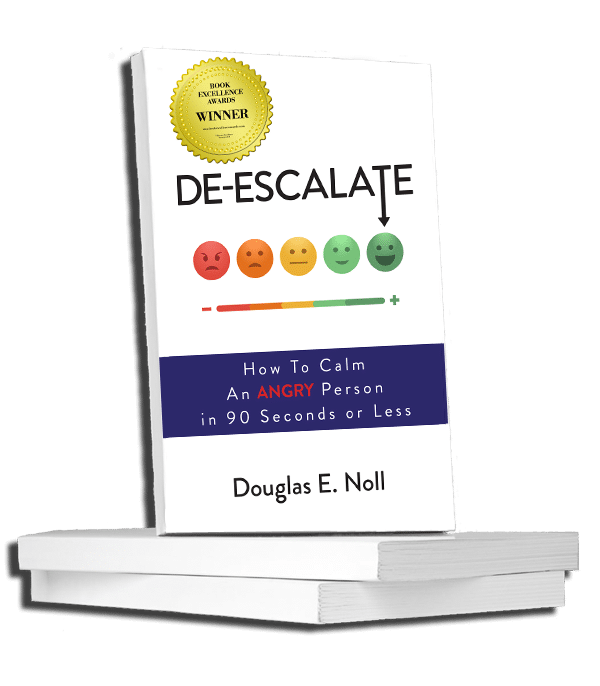
Against this backdrop of surging need, seasoned mediator Doug Noll offers a refreshingly direct approach that challenges conventional wisdom. With more than four decades of experience including transforming violence patterns among life-sentenced inmates in maximum-security prisons Noll developed a technique that de-escalates intense emotions in under 90 seconds. His bestselling book, De-Escalate: How to Calm an Angry Person in 90 Seconds or Less, distills this method into practical steps anyone can apply, whether facing a frustrated colleague, a heated family discussion, or community tension.
Emotional conflicts fracture teams and families. The ongoing tension breeds burnout, damages relationships, and hurts performance. The Noll Method’s 90-Second Power Move™ is a proven, neuroscience-based skill for restoring calm, tested from boardrooms to maximum-security prisons. Master this life-changing technique to transform chaos into collaboration. Book a no-obligation zoom call with Doug Noll today!
Why Classic Active Listening Often Misses the Mark
For generations, the go-to advice for handling conflict has been textbook active listening: nod attentively, paraphrase what you hear, maintain steady eye contact, and respond with measured “I” statements such as “I can see you’re upset” or “I understand your perspective.” Corporate training programs, therapy sessions, and leadership seminars have promoted this framework since the mid-20th century. Yet when anger or distress surges, these techniques frequently fall flat or worse, intensify the situation.
Noll explains that people in emotional turmoil aren’t seeking summaries or reassurance phrased around your understanding. Repeating their words back or centering the response on “I” can come across as dismissive or manipulative, keeping the brain’s threat-detection system the amygdala in overdrive. In the high-stakes prison environments where Noll refined his craft, such methods proved ineffective. Inmates and guards alike needed something more immediate: clear acknowledgment that their feelings were visible and valid.
This is where affect labeling the scientific term for verbally naming emotions changes everything. Grounded in neuroscience studies showing that accurately identifying feelings activates the brain’s regulatory networks and quiets emotional reactivity, Noll’s method shifts the focus entirely to the emotion itself, using straightforward “you” statements. The result is rapid de-escalation, often within the 90-second window he calls the “Power Move.”
Mastering the Three-Step Process
These reflections carry no judgment, no solution, and no agreement with the viewpoint. Their sole purpose is to validate the emotion accurately. Research consistently shows that naming feelings reduces their intensity by engaging the prefrontal cortex, allowing calmer reasoning to return. In practice, this shift often transforms a shouting match into a manageable conversation.
Picture a team member bursting into a meeting, voice sharp over a delayed project deliverable. Rather than jumping to explanations or countermeasures, you pause and say, “You seem incredibly angry about how this unfolded.” The room changes: breathing slows, tension eases, and the discussion pivots toward collaboration. The same pattern repeats in personal life whether addressing a spouse’s frustration over forgotten plans or calming a neighbor’s irritation about property lines.
Real-World Impact Across Settings
Noll’s approach proves especially powerful in everyday scenarios where traditional tools falter. In professional environments, where workplace disputes drive much of the market growth in conflict resolution, leaders who practice affect labeling foster quicker trust and fewer escalations. Teams experience reduced friction and improved cooperation when emotions receive upfront recognition.
At home, the technique carries even greater weight. A partner venting about feeling sidelined might escalate into blame. Reflecting “You feel really unimportant and hurt” creates space for honesty instead of defense. Noll’s prison background reinforces the method’s credibility: if it can interrupt cycles of violence among individuals with little incentive for restraint, it holds immense potential for ordinary conflicts.
Accessibility is a key strength. No specialized training or credentials are necessary just observant listening and the willingness to name emotions plainly. Start small: the next time someone unloads frustration, resist advising or explaining. Tune into the feeling and reflect it. Most people respond with visible relief, lowered defenses, and openness to real dialogue.
Building a Calmer Future Through Emotional Recognition
In today’s noisy, divided landscape, mastering genuine emotional listening represents more than a technique it’s a fundamental shift toward connection. Doug Noll’s method invites us to move past superficial responses and embrace the profound impact of reflecting emotions without agenda or agenda. In workplaces strained by mounting tensions or personal relationships tested by daily pressures, this approach delivers a reliable path to de-escalation and understanding.
Once you practice it consistently, you may discover that the most transformative statement in any conflict isn’t a clever rebuttal or a quick fix it’s the simple, honest acknowledgment of what the other person truly feels. In that instant of being truly seen, barriers dissolve, clarity emerges, and peace arrives sooner than most expect. To dive deeper into Doug Noll’s proven techniques, visit his site at dougnoll.com.
Frequently Asked Questions
What is Doug Noll’s 90-second de-escalation technique?
Doug Noll’s method uses affect labeling verbally naming the emotions you observe in an angry or upset person using simple “you” statements like “You seem really frustrated.” This neuroscience-based technique activates the brain’s regulatory networks and quiets emotional reactivity, often calming intense emotions within 90 seconds. The approach involves ignoring the words, reading the emotions through tone and body language, and reflecting those feelings back without judgment.
How can I apply affect labeling in everyday situations?
Start by resisting the urge to explain, advise, or defend when someone is upset. Instead, focus on observing their emotional state through tone, facial expressions, and body language, then name what you see using straightforward statements like “You feel completely betrayed” or “You seem incredibly hurt by this.” This works in professional settings with frustrated colleagues, at home with family tensions, or in community disputes requiring no special training, just observant listening and willingness to validate emotions without agenda.
Why doesn’t traditional active listening work during conflicts?
Traditional active listening techniques like paraphrasing, nodding, and using “I” statements often fail during emotional conflicts because they don’t directly address the person’s feelings. When someone is emotionally overwhelmed, their amygdala (threat-detection system) is in overdrive, and repeating their words back or centering responses on “I understand” can feel dismissive or manipulative. Instead, people in distress need clear acknowledgment that their emotions are visible and valid through direct affect labeling.
Disclaimer: The above helpful resources content contains personal opinions and experiences. The information provided is for general knowledge and does not constitute professional advice.
You may also be interested in: A Mediator’s Approach to Stopping Arguments in Boardrooms
Emotional conflicts fracture teams and families. The ongoing tension breeds burnout, damages relationships, and hurts performance. The Noll Method’s 90-Second Power Move™ is a proven, neuroscience-based skill for restoring calm, tested from boardrooms to maximum-security prisons. Master this life-changing technique to transform chaos into collaboration. Book a no-obligation zoom call with Doug Noll today!
Powered by flareAI.co