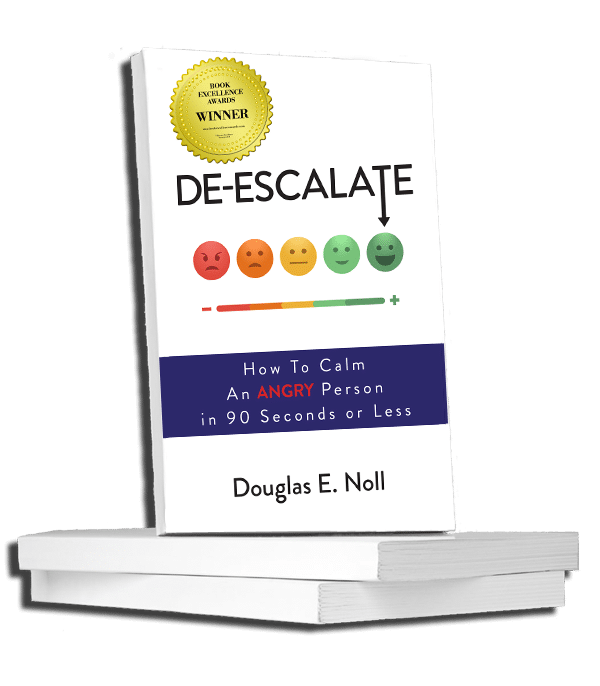
In the heat of conflict, a single misunderstood moment can spiral into lasting damage. Yet seasoned conflict resolution expert Doug Noll has demonstrated time and again that even the most charged situations can shift dramatically when approached with the right understanding of human emotion. His methods, refined across more than four decades including work with incarcerated individuals in maximum-security settings offer a clear, science-supported path to turning confrontation into connection.
Today, the ability to de-escalate tension is no longer a luxury. Workplace disagreements, family disagreements, and community friction all exact measurable costs in productivity, trust, and well-being. Growing recognition of these impacts has driven organizations particularly across North America to seek practical tools that prevent escalation rather than merely manage its aftermath. The demand reflects a broader shift toward proactive emotional intelligence training that addresses the realities of hybrid teams, remote communication challenges, and rising stress levels.
Emotional conflicts fracture teams and families. The ongoing tension breeds burnout, damages relationships, and hurts performance. The Noll Method’s 90-Second Power Move™ is a proven, neuroscience-based skill for restoring calm, tested from boardrooms to maximum-security prisons. Master this life-changing technique to transform chaos into collaboration. Book a no-obligation zoom call with Doug Noll today!
The 90-Second Biological Window That Changes Everything
One cornerstone of Noll’s approach is what he terms the 90-second rule, rooted in well-established neuroscience. When a strong emotion surges whether anger, fear, or deep frustration the most intense phase typically lasts about 90 seconds, provided nothing reignites it. After that brief period, the brain’s alarm system naturally begins to quiet if no new provocation occurs.
This window exists because of how the amygdala and prefrontal cortex interact. The amygdala triggers the immediate fight-or-flight response, releasing stress hormones that prepare the body for action. Left uninterrupted, however, that chemical flood recedes, allowing the rational, regulating parts of the brain to regain influence. Noll’s techniques are designed to exploit precisely this narrow timeframe, using carefully chosen language and presence to accelerate de-escalation and prevent the cycle from restarting.
Affect Labeling: Naming the Emotion Without Fueling the Fire
Among the most powerful interventions is affect labeling: neutrally naming the feeling the other person is displaying. Rather than instructing someone to “calm down” a phrase that frequently heightens defensiveness try reflecting what you observe: “You sound deeply frustrated right now” or “This situation feels incredibly overwhelming for you.”
Studies consistently show that accurate, nonjudgmental naming of emotion reduces activity in the amygdala while simultaneously engaging brain regions responsible for regulation. The calming effect often begins within seconds. Unlike conventional advice to “relax” or “take a breath,” affect labeling validates the internal experience without challenging its legitimacy or trying to override it. Over repeated use, people become more skilled at self-regulating because they feel genuinely understood rather than dismissed or controlled.
Noll stresses simplicity and authenticity. The label should be concise, delivered in a steady tone, and focused entirely on the other person’s experience. When done well, it creates psychological safety, signaling that the conversation is a place of listening rather than judgment.
Why De-Escalation Matters More Than Ever in Professional Settings
Unaddressed tension in the workplace erodes focus, damages morale, increases absenteeism, and drives costly turnover. In response, many North American organizations are investing in tailored programs that equip leaders and teams with skills to recognize early signs of conflict and intervene constructively. The emphasis has shifted from reactive mediation though it remains important to prevention through everyday emotional competence.
Hybrid and remote work environments have intensified the challenge. Without reliable nonverbal cues, small misunderstandings can grow quickly. Companies that prioritize de-escalation training report stronger collaboration, reduced stress, and cultures where people feel safer bringing forward difficult issues. The result is not the elimination of disagreement, but a dramatic reduction in its destructive potential.
Addressing the Doubts That Hold People Back
Skepticism is common. Many believe conflict is simply part of human nature and cannot be meaningfully reduced. Others feel apprehensive about engaging directly with intense emotions, preferring avoidance or suppression.
Experience tells a different story. Techniques that succeed in prisons environments where conflict can quickly become violent also prove effective in conference rooms and living rooms. The difference lies in consistent practice. Once individuals witness a heated exchange begin to settle in under two minutes, doubt often gives way to interest and, eventually, trust in the process. These are not abstract theories; they are repeatable, learnable behaviors that grow more reliable with use.
Building Your Own De-Escalation Practice Step by Step
Begin modestly. The next time you sense rising tension, pause long enough to identify the underlying emotion rather than jumping to defend a position or correct facts. Reflect it back calmly: “You seem really hurt by what happened” or “This is making you angry.” Remain present, regulate your own breathing, and allow space for the 90-second biology to unfold.
Pair reflection with genuine curiosity. Ask open-ended questions that invite elaboration rather than confrontation: “What’s the hardest part of this for you right now?” Over time, combine these outward skills with inward awareness learning to notice your personal triggers helps you stay centered even when others are not.
- Observe first: Notice tone, posture, and word choice before responding.
- Name neutrally: Use “you” statements focused on feeling, not content.
- Stay steady: Keep your voice level and your body relaxed.
- Invite more: Follow with curious, non-directive questions.
- Practice daily: Small interactions build fluency faster than rare high-stakes moments.
FAQs: Clearing Up the Essentials
What exactly is the 90-second rule in de-escalation?
It describes the neuroscience finding that the peak intensity of an emotional reaction typically lasts about 90 seconds if no further triggering occurs. Doug Noll leverages this brief period with targeted techniques primarily affect labeling and curiosity-based questions to quiet the brain’s threat response and restore balance before escalation takes hold.
Why is affect labeling more effective than telling someone to calm down?
Neutral naming of emotion reduces amygdala activation and engages self-regulation networks almost immediately. Phrases like “You sound deeply frustrated” validate experience without judgment, whereas “calm down” often feels invalidating and provokes resistance.
How do these skills benefit modern workplaces?
They reduce the hidden costs of unresolved tension stress, disengagement, absenteeism, and turnover while building psychological safety and stronger team dynamics. In North America especially, companies increasingly view emotional de-escalation training as essential for supporting collaboration in hybrid and high-pressure settings.
Closing Reflection: The Power of a Calmer Next Conversation
Mastering de-escalation does not mean erasing conflict from life; it means changing how we meet it. In a time marked by division and accelerating pace, the capacity to lower the temperature of a difficult moment in roughly 90 seconds represents both a rare skill and a profound advantage. Doug Noll’s work tested in the most challenging arenas and grounded in clear science demonstrates that anyone willing to practice can transform volatility into mutual understanding. The conversation you choose to handle differently today may quietly reshape tomorrow.
Frequently Asked Questions
What is the 90-second rule for de-escalating conflict?
The 90-second rule is based on neuroscience research showing that the peak intensity of an emotional reaction anger, fear, or frustration typically lasts only about 90 seconds when nothing reignites it. During this window, stress hormones released by the amygdala naturally begin to recede, allowing the brain’s rational centers to regain control. Conflict resolution expert Doug Noll uses targeted techniques like affect labeling within this brief period to quiet the threat response before a situation fully escalates.
What is affect labeling, and why is it more effective than telling someone to calm down?
Affect labeling means neutrally naming the emotion you observe in another person for example, saying “You sound really frustrated right now” instead of “calm down.” Research shows this approach directly reduces amygdala activation and engages the brain’s self-regulation networks within seconds. Unlike dismissive phrases that feel invalidating and trigger further resistance, affect labeling validates the other person’s experience without judgment, creating the psychological safety needed for tension to ease.
How can de-escalation skills improve conflict resolution in the workplace?
Unresolved workplace conflict quietly drives up stress, absenteeism, and employee turnover while eroding team trust and collaboration. Organizations that invest in de-escalation training especially in hybrid or remote settings where nonverbal cues are limited report stronger team dynamics and cultures where people feel safer raising difficult issues. By practicing simple, repeatable techniques like emotion reflection and open-ended questioning, leaders and employees can prevent minor friction from becoming costly, morale-damaging disputes.
Disclaimer: The above helpful resources content contains personal opinions and experiences. The information provided is for general knowledge and does not constitute professional advice.
You may also be interested in: Instantly Defuse Defensive Prospects With These 4 Powerful De
Emotional conflicts fracture teams and families. The ongoing tension breeds burnout, damages relationships, and hurts performance. The Noll Method’s 90-Second Power Move™ is a proven, neuroscience-based skill for restoring calm, tested from boardrooms to maximum-security prisons. Master this life-changing technique to transform chaos into collaboration. Book a no-obligation zoom call with Doug Noll today!
Powered by flareAI.co