Quick Listen:
In the quiet corners of daily life, conflict rarely explodes into view. It slips in through a curt message, a prolonged silence over breakfast, or the low-grade irritation that trails a conversation cut short. These unresolved threads weave together over time, quietly draining vitality, straining bonds, and dimming everyday satisfaction. The steepest price of conflict is seldom the clash itself it’s the lingering aftermath when feelings remain unaddressed and wounds stay raw.
Emotional conflicts fracture teams and families. The ongoing tension breeds burnout, damages relationships, and hurts performance. The Noll Method’s 90-Second Power Move™ is a proven, neuroscience-based skill for restoring calm, tested from boardrooms to maximum-security prisons. Master this life-changing technique to transform chaos into collaboration. Book a no-obligation zoom call with Doug Noll today!
When Reason Retreats Under Pressure
Modern culture celebrates logic as the ultimate tool for resolution. Gather evidence, articulate clearly, remain composed. This approach shines in neutral settings. Yet the instant intense emotions anger, betrayal, anxiety flood in, the terrain shifts dramatically.
The brain’s primitive alarm center, the amygdala, seizes control during emotional surges. It unleashes adrenaline and cortisol, priming the body for defense while suppressing the prefrontal cortex the hub of reasoned judgment, impulse restraint, and balanced perspective. In that state, rational arguments often land as provocations rather than solutions, intensifying the standoff instead of easing it. Biology, not stubbornness, explains why piling on facts can make things worse.
The Brief, Critical Window of Ninety Seconds
Neuroscientist Jill Bolte Taylor offers a hopeful counterpoint: the raw physiological rush of a powerful emotion pounding heart, flushed face, clenched muscles typically crests and starts to ebb within roughly ninety seconds, provided we refrain from stoking it through repeated mental rehearsal or grievance replay.
Those ninety seconds represent both hazard and opening. Pressing for resolution at the height of the surge almost always heightens tension. Allowing the neurochemical wave to pass naturally, however, restores equilibrium and paves the way for meaningful exchange rather than further confrontation.
Affect Labeling: Naming the Emotion to Restore Calm
Among the most potent, evidence-based methods for hastening that reset is affect labeling quietly, neutrally voicing the emotion you observe in the other person, free of advice, justification, or rebuttal.
Phrases such as:
“You seem really angry about how this unfolded.”“It feels profoundly unfair to you right now.”“You’re deeply frustrated by this, aren’t you?”
can produce rapid change. A landmark 2007 UCLA study by Matthew Lieberman and colleagues revealed that verbally identifying emotions whether self-labeled or accurately named by another reduces activity in the amygdala while engaging regulatory areas of the prefrontal cortex. In essence, putting feelings into words helps the brain dial down distress and regain composure.
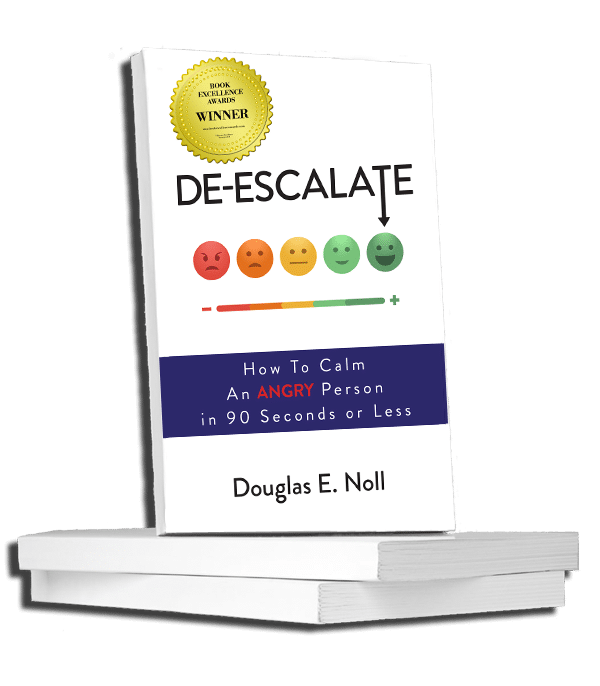
Mediator and conflict expert Doug Noll has put this principle to the test in extraordinarily environmental challenge , including maximum-security prisons. By using affect labeling, he routinely de-escalates intense rage in under ninety seconds, demonstrating how this straightforward practice can transform volatile encounters into moments of surprising calm. The approach does not erase the grievance; it first establishes emotional safety, creating space for constructive dialogue to emerge.
The Accumulating Toll Across Personal and Professional Life
When we habitually skip this initial emotional acknowledgment, the consequences build steadily. In close relationships, minor slights harden into entrenched resentment, turning routine differences into deep ruptures. In workplaces, ignored tensions erode collaboration, fuel disengagement, and contribute to higher attrition. Customer interactions, too, suffer when complaints meet only procedural responses rather than genuine recognition of the underlying feeling.
Businesses have responded to rising service demands with substantial investment in advanced tools. The global contact center software market reflects this priority, driven by innovations in artificial intelligence, cloud platforms, predictive analytics, and machine learning. Heightened consumer rights awareness has spurred more inquiries across sectors like retail, healthcare, and banking, prompting companies to seek better ways to deliver satisfying experiences. Yet technology alone cannot replicate the profound impact of feeling truly heard. When frustration is met with deflection or rote fixes, dissatisfaction festers, and trust gradually slips away.
Practical Steps to Apply This Approach Today
- Spot the physiological cues. Watch for signs of activation tightened jaw, accelerated breath, elevated tone in yourself or others. That is the cue to pause rather than push forward.
- Allow the ninety seconds to pass. Focus on slow, steady breathing. Resist the reflex to explain, correct, or solve immediately.
- Label the emotion precisely. Use clear, second-person phrasing that mirrors what you perceive. Precision trumps perfect wording.
- Remain silent afterward. Give the other person room to respond. Often, the simple act of being named softens defenses and invites fuller expression.
- Build skill through practice. Begin with everyday irritations late shipments, casual remarks so the technique feels natural when stakes rise.
Why Emotional Literacy Is Essential in Today’s World
Contemporary life amplifies emotional strain: polarized discourse, remote misunderstandings, constant digital noise. The conventional reliance on logic alone falters more often because so many interactions begin with one or both parties already dysregulated.
Responding to raw feeling with calm, nonjudgmental recognition is not concession or softness it is deliberate, effective strategy. It safeguards connections, reestablishes clarity, and stops minor cracks from widening into lasting damage.
The Transformative Strength of True Acknowledgment
Few people require immediate agreement. What most seek, especially in distress, is confirmation that their emotions register as valid to someone else present. Extend that validation, and the interaction pivots not through altered facts, but through restored emotional footing.
The next time friction builds, recall those ninety seconds. They are not merely a pause; they are the precise interval where choice becomes possible toward mutual understanding rather than deeper division. In an accelerated, often impersonal era, this quiet gesture of presence stands as one of the most potent contributions we can make.
Frequently Asked Questions
What are the psychological effects of unresolved conflict on daily life?
Unresolved conflict quietly erodes wellbeing by turning minor tensions into lasting resentment and emotional exhaustion. Rather than a single dramatic clash, the real damage accumulates through curt messages, prolonged silences, and feelings left unaddressed. Over time, this chronic low-grade stress strains relationships, reduces productivity, and dims overall life satisfaction.
What is affect labeling, and how does it help de-escalate conflict?
Affect labeling is the practice of calmly naming the emotion you observe in another person for example, “You seem really frustrated by how this unfolded” without offering advice or judgment. A landmark 2007 UCLA study found that putting feelings into words reduces amygdala activity and engages the brain’s rational centers, helping to lower emotional intensity. Conflict expert Doug Noll has used this technique to de-escalate serious confrontations in maximum-security prisons in under ninety seconds.
Why doesn’t logic alone work to resolve conflict when emotions are running high?
When strong emotions like anger or anxiety take hold, the brain’s amygdala suppresses the prefrontal cortex the region responsible for reasoned thinking and impulse control. In this state, presenting facts or logical arguments can feel like an attack, intensifying the conflict rather than resolving it. Effective conflict resolution therefore requires addressing the emotional dimension first, before rational discussion can meaningfully take place.
Disclaimer: The above helpful resources content contains personal opinions and experiences. The information provided is for general knowledge and does not constitute professional advice.
You may also be interested in: Conflict to Collaboration Insights – Douglas E. Noll
Emotional conflicts fracture teams and families. The ongoing tension breeds burnout, damages relationships, and hurts performance. The Noll Method’s 90-Second Power Move™ is a proven, neuroscience-based skill for restoring calm, tested from boardrooms to maximum-security prisons. Master this life-changing technique to transform chaos into collaboration. Book a no-obligation zoom call with Doug Noll today!
Powered by flareAI.co