Client-facing work across North America, a single misstep in conversation can unravel months of trust. Yet one powerful approach changes that dynamic entirely. The idea that tactical empathy supports stronger client relationships goes far beyond theory and has never been more relevant for coaches, counselors, educators, and business leaders who navigate difficult conversations every day.
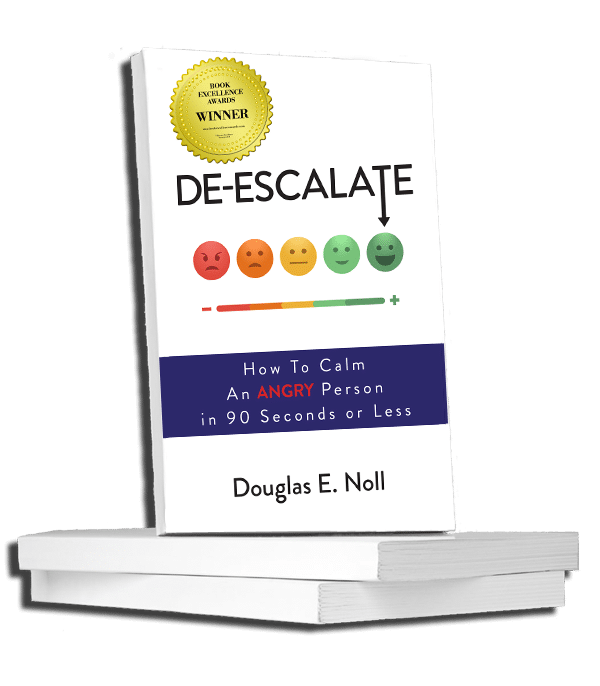
Emotional conflicts fracture teams and families. The ongoing tension breeds burnout, damages relationships, and hurts performance. The Noll Method’s 90-Second Power Move™ is a proven, neuroscience-based skill for restoring calm, tested from boardrooms to maximum-security prisons. Master this life-changing technique to transform chaos into collaboration. Book a no-obligation zoom call with Doug Noll today!
What Tactical Empathy Actually Means
Tactical empathy is not the soft, feel-good version often misunderstood in popular culture. It is a precise, neuroscience-backed method of understanding another person’s emotions and perspective while remaining fully in control of your own responses. You listen not to reply, but to de-escalate. You reflect what the other person is feeling without agreeing or disagreeing. The result is immediate emotional safety, which opens the door to genuine dialogue.
Professionals who master this skill watch arguments dissolve in real time. Clients who once pushed back suddenly lean in. Relationships that felt fragile become resilient. And unlike generic communication training, tactical empathy works even when emotions run hot. It creates a foundation of trust that turns potential conflict into productive collaboration across every client interaction.
Why Most Client Relationships Fracture Under Pressure
Traditional advice stay calm, be professional, set boundaries sounds reasonable until real conflict hits. A divorce coach hears accusations. A school administrator faces angry parents. A business consultant delivers tough feedback. In each case, the instinct to defend or explain only fuels the fire.
These moments expose a simple truth: people do not respond to logic when they feel attacked. They respond to feeling understood. Without tactical empathy, even the most skilled professionals watch hard-won client relationships erode. With it, those same relationships deepen, often leading to repeat business, referrals, and long-term loyalty that sustains thriving practices year after year.
Addressing the Doubts That Hold People Back
Many professionals hesitate for three common reasons. First, they doubt any new skill can truly stop fights that feel inevitable. Second, they believe arguments are simply part of life and cannot be eliminated. Third, they fear the vulnerability required to work directly with strong emotions.
These objections are understandable. Yet they crumble under evidence. Fights do not have to be inevitable; they can be interrupted at the emotional root. The fear of emotions fades once you learn that mastering your own response actually protects you, not exposes you. And the proof comes not from theory but from decades of application in the most extreme environments imaginable.
Lessons Forged in the Toughest Classrooms
The techniques behind tactical empathy were honed over more than four decades of real-world testing. One particularly striking chapter involved training individuals serving life sentences in maximum-security prisons. These were people who had spent years in environments where violence was the default response to conflict.
Using the same methods now taught to client-facing professionals, those inmates learned to stop fights before they started. They learned to recognize rising emotions in others and respond with precise empathy rather than aggression. The results were dramatic: de-escalated confrontations, safer living units, and measurable reductions in violence. If these skills can transform prison dynamics, imagine what they can do in a divorce consultation, a parent-teacher conference, or a high-tension business meeting.
What sets this approach apart is simple: it is the only training of its kind that delivers this level of specificity and guarantees results. You will be able to stop fights and arguments. That is not marketing language. It is a promise backed by thousands of documented cases and four decades of proven success.
Practical Wins for North American Service Providers
Across North America, professionals in diverse fields are already seeing the difference. Divorce coaches watch clients move from defensiveness to openness. Veterinary practices reduce conflicts over treatment decisions. School administrators turn heated parent meetings into collaborative problem-solving sessions. Corporate leaders replace contentious negotiations with agreements built on mutual understanding.
The common thread is the ability to meet clients exactly where they are emotionally. One moment of genuine reflection “It sounds like you’re feeling completely overwhelmed by this decision” does more to build trust than hours of logical explanation. Clients feel heard. Resistance drops. Decisions become easier for everyone involved.
- Stronger retention as clients feel genuinely supported rather than managed
- Fewer escalations that waste time and emotional energy
- Higher referral rates because people share experiences of being truly understood
- Greater personal resilience for the professional who no longer dreads difficult conversations
These outcomes extend beyond individual sessions. They build practices that thrive because clients return knowing they will be met with understanding rather than judgment.
The Growing Demand for Real Communication Skills
The corporate training market was valued at $361.5 billion in 2023. This substantial investment reflects a deeper reality: organizations and independent professionals alike are desperate for skills that actually work in the moment of conflict, not just in theory.
Tactical empathy fits perfectly into this expanding landscape. It is not another generic workshop. It is targeted training that delivers immediate, measurable improvements in client relationships and personal effectiveness. For those operating in North America’s competitive service economy, investing in this capability is no longer optional it is a strategic advantage that separates good practitioners from truly exceptional ones.
How to Begin Building This Skill Today
Starting is simpler than most expect. The foundation rests on three core practices: slowing down your response, accurately labeling the other person’s emotion, and reflecting it back without judgment. These steps interrupt the conflict cycle before it gains momentum.
Practice begins with low-stakes conversations. Notice the physical signs of rising emotion in yourself or others. Name what you observe “You seem frustrated” and watch the tension drop. Over time, these micro-skills become automatic. What once felt risky becomes second nature. The fear of strong emotions gives way to confidence because you now have tools that work.
- Pause and observe the emotion before reacting
- Label it accurately and neutrally
- Reflect it back to create safety
A Skill That Transforms More Than Conversations
Mastering tactical empathy does more than protect client relationships. It protects your peace of mind. It turns potential adversaries into collaborators. It creates space for creativity, problem-solving, and genuine connection even in the most challenging situations.
The professionals who commit to these skills report the same outcome time and again: conversations that used to drain them now energize them. Clients who once resisted now trust them deeply. And the arguments that once defined their work become rare exceptions rather than daily battles. In education, healthcare, counseling, and business alike, this approach builds resilient relationships that endure.
In a world that often feels divided, tactical empathy offers a practical path forward. It proves that understanding another person’s perspective is not weakness it is the ultimate strategic advantage. For anyone whose work depends on strong client relationships, this is the skill that changes everything.
Frequently Asked Questions
What is tactical empathy and how does it differ from regular empathy?
Tactical empathy is a neuroscience-backed communication method that involves understanding another person’s emotions and perspective while staying fully in control of your own responses. Unlike conventional empathy, it is a precise, deliberate skill not a passive feeling used to de-escalate tension and create emotional safety. The goal is to reflect what someone is feeling without agreeing or disagreeing, which opens the door to genuine dialogue even in high-conflict situations.
How can tactical empathy help client-facing professionals improve their relationships?
Professionals who apply tactical empathy such as coaches, counselors, school administrators, and business consultants report fewer escalations, stronger client retention, and higher referral rates. By accurately labeling a client’s emotion and reflecting it back without judgment (e.g., *”It sounds like you’re feeling overwhelmed”*), clients feel genuinely heard, resistance drops, and trust builds faster. This approach is especially effective in high-stakes settings like divorce consultations, parent-teacher conflicts, or tense business negotiations.
How do you start practicing tactical empathy in everyday conversations?
Building tactical empathy starts with three core steps: slow down your response, accurately label the other person’s emotion, and reflect it back neutrally. Begin in low-stakes conversations by noticing physical signs of rising emotion and simply naming what you observe. With consistent practice, these micro-skills become automatic transforming difficult conversations from draining confrontations into productive, trust-building interactions.
Disclaimer: The above helpful resources content contains personal opinions and experiences. The information provided is for general knowledge and does not constitute professional advice.
You may also be interested in: How to Embrace Emotional Skills Without Fear in Leadership
Emotional conflicts fracture teams and families. The ongoing tension breeds burnout, damages relationships, and hurts performance. The Noll Method’s 90-Second Power Move™ is a proven, neuroscience-based skill for restoring calm, tested from boardrooms to maximum-security prisons. Master this life-changing technique to transform chaos into collaboration. Book a no-obligation zoom call with Doug Noll today!
Powered by flareAI.co