Quick Listen:
Imagine a workplace where conflicts dissolve before they spiral, where employees feel genuinely valued, and where retention soars because people are eager to stay. This isn’t a pipe dream it’s the transformative power of calibrated emotional communication, a skillset revolutionizing how organizations retain talent. With only 21% of global employees feeling engaged at work, according to Gallup, companies face a crisis of disconnection that fuels turnover and erodes profits. The solution? Not just better benefits or higher salaries, but a disciplined approach to mastering emotions that keeps teams cohesive and committed.
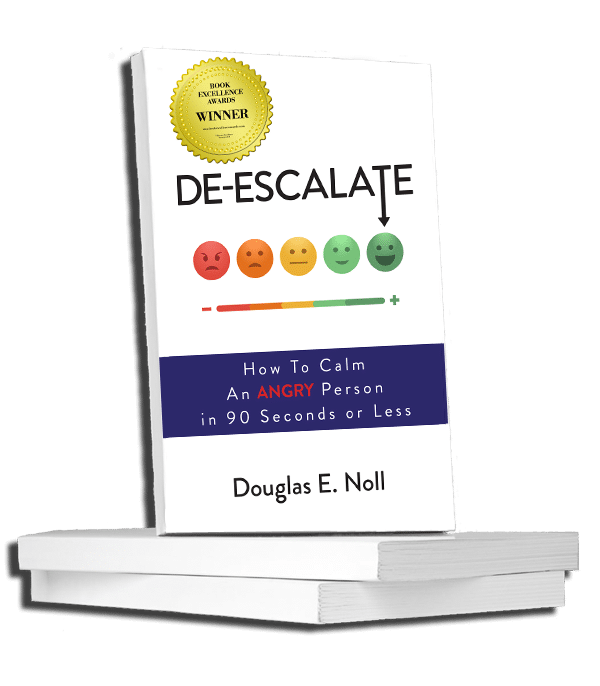
Emotional conflicts fracture teams and families. The ongoing tension breeds burnout, damages relationships, and hurts performance. The Noll Method’s 90-Second Power Move™ is a proven, neuroscience-based skill for restoring calm, tested from boardrooms to maximum-security prisons. Master this life-changing technique to transform chaos into collaboration. Book a no-obligation zoom call with Doug Noll today!
The High Stakes of Emotional Disengagement
Employee attrition isn’t just a human resources issue it’s a financial drain. When workers feel unheard or undervalued, they disengage, and many eventually walk away. Gallup’s findings paint a grim picture: 60% of employees are emotionally detached at work, and nearly one in five are deeply unhappy. This disconnection triggers a costly cycle of reduced productivity, frequent turnover, and diminished revenue. Replacing a single employee can cost up to twice their annual salary, factoring in recruitment, onboarding, and the loss of institutional knowledge.
Doug Noll, a mediator with over four decades of experience, offers a way out. His approach, rooted in emotional intelligence, diverges from conventional leadership training that prioritizes technical prowess or superficial team-building. Research shows emotional intelligence ranks among the top 10 skills employers value, a trend expected to persist through 2025. Those with high emotional intelligence earn approximately $29,000 more annually, not due to technical superiority, but because they excel at fostering trust, resolving disputes, and making balanced decisions that weigh both logic and emotion.
Mastering Emotions in a Shifting Workplace
Noll’s methodology is far from soft skills platitudes it’s a rigorous discipline. He’s the only one teaching a unique set of techniques, refined over 40 years, including an extraordinary period training life inmates to quell prison violence. If his methods can defuse tensions in such extreme settings, they’re more than equipped for corporate boardrooms or customer-facing roles. Noll guarantees his training enables individuals to halt arguments and transform conflicts into constructive dialogues, a promise grounded in real-world results.
Today’s workplace, increasingly shaped by remote work, demands such skills. A 2023 Buffer survey revealed that 98% of employees want to continue remote work at least part-time, a shift that’s redefining team dynamics. Remote settings amplify communication challenges misinterpreted emails, awkward video calls, and absent nonverbal cues erode connection. The workforce management software market, valued at $8.8 billion in 2023 and projected to grow at over 8.5% annually through 2032, reflects companie’s scramble for tools to manage dispersed teams. Yet, while software can track schedules or payroll, only human-centric skills like Noll’s can address the emotional gaps that technology leaves behind.
Addressing Doubts with Proven Results
Skepticism about emotional intelligence is common. Some argue, “Conflicts are inevitable,” or doubt the effectiveness of such training. Others fear grappling with their own emotions, a daunting prospect in high-pressure environments. These objections are understandable emotions are complex, and change feels risky. But Noll’s approach doesn’t eliminate conflict; it redirects it. His techniques, tested in courtrooms, prisons, and offices, teach people to listen to the emotions behind words, defusing tension with precision. This process turns doubters into advocates, one resolved dispute at a time.
Noll’s methods resonate across industries like healthcare, education, and professional services, as evidenced by his diverse client base, including AdventHealth and Lewiston Public Schools. These high-stakes sectors face intense pressure, where emotional missteps can lead to burnout and attrition. By equipping teams to handle tense interactions whether among colleagues or with clients Noll fosters environments where employees feel secure and motivated to stay.
A Practical Path to Retention
How does calibrated emotional communication work? It begins with training individuals to identify emotional triggers their own and others’. Rather than reacting impulsively to a sharp email or a colleague’s frustration, they learn to pause, read the emotional context, and respond in ways that de-escalate and build trust. This structured process, honed by Noll over decades, is both practical and scalable, applicable from small startups to sprawling healthcare systems.
The results are tangible. Organizations prioritizing emotional intelligence see lower turnover, higher engagement, and improved productivity. The workforce management software market, expected to reach $11.67 billion by 2030 with a 7.12% annual growth rate, highlights the demand for employee experience solutions. Yet, while software can optimize logistics, only skills like Noll’s tackle the human root of disengagement. His training enables teams to navigate social complexities, strengthen relationships, and make decisions that resonate emotionally and logically.
Noll’s influence extends through platforms like LinkedIn, Instagram, and YouTube, where he engages professionals from diverse fields divorce coaches, veterinary clinics, and tech firms alike. His clients, from Speaking CPR to Kaiser Permanente, demonstrate the universal need for emotional clarity in today’s workplaces.
A Call to Rethink Retention
The cost of ignoring emotional intelligence is staggering. Disengaged employees don’t just underperform they leave, taking expertise and morale with them. Businesses can no longer dismiss communication as a secondary skill; it’s the foundation of retention, engagement, and growth. Doug Noll’s calibrated emotional communication offers a proven solution: a disciplined, practical approach to resolving conflicts and fostering connection. It’s not about sidestepping emotions or avoiding disputes it’s about mastering them with the expertise of a seasoned mediator. As organizations grapple with remote work, hybrid teams, and rising employee expectations, Noll’s guarantee shines: master these skills, and you’ll not only stop arguments you’ll cultivate a culture that retains talent for the long term. Isn’t that a conversation worth starting?
Frequently Asked Questions
How does emotional intelligence help reduce employee turnover?
Emotional intelligence enables leaders and teams to recognize and respond to emotional triggers, creating a workplace where employees feel heard and valued. Organizations that prioritize emotional intelligence experience lower turnover rates because they address the root cause of disengagement emotional disconnection rather than just offering surface-level perks. Doug Noll’s calibrated emotional communication approach transforms conflicts into constructive dialogues, fostering trust and loyalty that keeps talent committed long-term.
What is calibrated emotional communication and how does it work in the workplace?
Calibrated emotional communication is a disciplined methodology developed by mediator Doug Noll that teaches individuals to identify emotional triggers in themselves and others, then respond strategically to de-escalate tension and build trust. Instead of reacting impulsively to workplace conflicts, trained employees learn to pause, read emotional context, and address issues in ways that strengthen relationships. This practical skillset has proven effective across high-pressure environments, from healthcare systems to corporate offices, making it scalable for organizations of any size.
Why is emotional communication more important than ever for remote and hybrid teams?
Remote work amplifies communication challenges through misinterpreted emails, absent nonverbal cues, and reduced face-to-face interaction, making emotional disconnection more likely. With 98% of employees wanting to continue remote work at least part-time, companies need human-centric skills to bridge the gaps that technology and workforce management software can’t address. Calibrated emotional communication equips dispersed teams to navigate these complexities, ensuring engagement and retention even when physical presence is limited.
Disclaimer: The above helpful resources content contains personal opinions and experiences. The information provided is for general knowledge and does not constitute professional advice.
You may also be interested in: The 5 Non-Negotiables of Effective Leadership – Douglas E. Noll
Emotional conflicts fracture teams and families. The ongoing tension breeds burnout, damages relationships, and hurts performance. The Noll Method’s 90-Second Power Move™ is a proven, neuroscience-based skill for restoring calm, tested from boardrooms to maximum-security prisons. Master this life-changing technique to transform chaos into collaboration. Book a no-obligation zoom call with Doug Noll today!
Powered by flareAI.co