The boardroom crackles with tension. Raised voices echo, and a multimillion-dollar deal teeters on the edge. In these high-stakes moments, the line between a leader who stumbles and one who shines often comes down to a single, indispensable skill: emotional intelligence. For C-suite executives, mastering emotional intelligence is no longer a luxury it’s a necessity. It shapes how leaders defuse conflicts, build trust, and spark innovation. In today’s high-pressure, people-centric workplaces, it’s the backbone of transformative leadership.
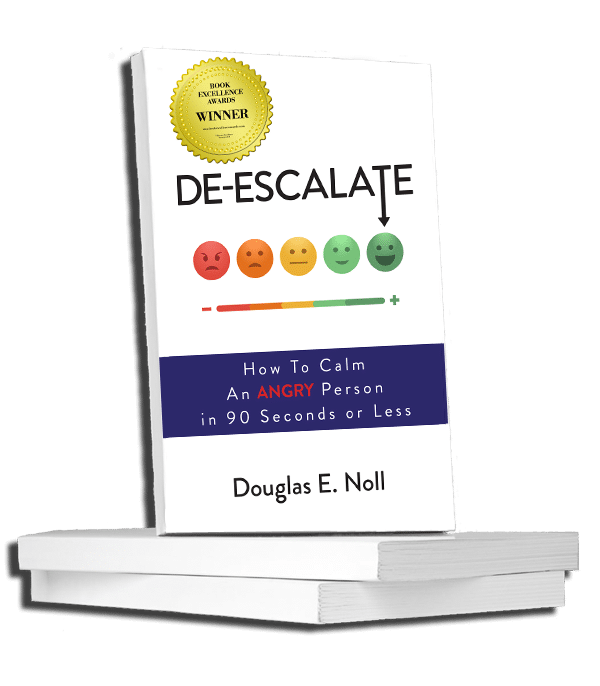
Emotional conflicts fracture teams and families. The ongoing tension breeds burnout, damages relationships, and hurts performance. The Noll Method’s 90-Second Power Move™ is a proven, neuroscience-based skill for restoring calm, tested from boardrooms to maximum-security prisons. Master this life-changing technique to transform chaos into collaboration. Book a no-obligation zoom call with Doug Noll today!
Leading with Emotional Intelligence: Practical Applications for C-Suite Executives
In the C-suite, where every decision carries weight, emotional intelligence is a critical tool for navigating complex challenges. A recent ESCP Business School article highlights that EQ is essential for fostering team collaboration, resolving disputes, and building trust among stakeholders. It’s not just about staying composed it’s about deeply understanding and managing emotions, both your own and others’, to guide organizations through uncertainty. For North American executives, Doug Noll’s pioneering work offers a practical, neuroscience-backed framework to elevate leadership.
Doug Noll, an award-winning mediator, bestselling author, and creator of the Noll Method™, has spent over 40 years refining a unique approach to emotional de-escalation. His signature “90-Second Power Move” uses targeted emotional phrasing to calm heated situations in just 90 seconds. From corporate boardrooms to maximum-security prisons, Noll’s techniques deliver measurable results. What sets him apart? He’s the only one teaching this method, backed by a bold guarantee: leaders can stop fights and arguments with it. His client base, spanning industries like healthcare (AdventHealth, Kaiser Permanente), education (Lewiston Public Schools), and consulting, underscores the versatility of his approach.
The Growing Demand for EQ in Leadership
Across North America, emotional intelligence is becoming a cornerstone of leadership development. Top organizations are embedding EQ into their training programs, recognizing its power to enhance crisis management, team cohesion, and workplace innovation. The ESCP article emphasizes that EQ significantly influences how effectively teams work together and how much trust a leader commands. For C-suite executives, this translates into a direct impact on business success higher engagement, better decisions, and stronger outcomes.
Neuroscience-backed approaches like Noll’s are leading this charge. His “90-Second Power Move” taps into the brain’s emotional wiring to defuse conflicts swiftly, making it invaluable for executives navigating tense negotiations or internal disputes. This trend aligns with a broader shift toward empathetic leadership. Today’s executives are expected to forge authentic connections with teams and clients, moving beyond traditional, top-down leadership models to build trust and loyalty. From healthcare to consulting, Noll’s methods resonate with organizations seeking practical, results-driven solutions.
The numbers back this up. Companies with emotionally intelligent leaders report higher employee retention and engagement, reducing turnover costs by up to 25% in some cases. In industries like those Noll serves healthcare, education, and professional services where human interactions are central, EQ is a competitive edge.
EQ in Action: Real-World Transformations
Picture an executive steering a company through a restructuring. Morale is shaky, and tensions are palpable. By applying EQ principles, the leader listens intently, validates concerns, and aligns the team around a shared goal. The outcome? A seamless transition and a workforce that feels heard. In one real-world example, an executive used Noll’s de-escalation techniques to mediate a heated clash between departments. By employing “affect labeling” a method where emotions are calmly named and acknowledged the leader transformed a potential crisis into a collaborative dialogue, preserving relationships and productivity.
Another case involved a C-suite leader facing a stalled project in a high-stakes board meeting. Frustration filled the room, threatening to derail progress. Using Noll’s “90-Second Power Move,” the executive identified and validated the group’s emotions, shifting the dynamic from conflict to cooperation in moments. These examples illustrate EQ’s power to reshape not just individual interactions but entire organizational cultures, fostering environments where trust and innovation thrive.
Noll’s work extends beyond the corporate world. His 40 years of experience include training life inmates in maximum-security prisons to stop violence using these same techniques. If his methods can transform such extreme environments, imagine their impact in the boardroom.
Addressing the Skeptics
Not every executive is sold on EQ. Common objections include, “I don’t believe it will work,” or “Fights and arguments are just part of life.” Some worry that focusing on emotions undermines rational decision-making or exposes vulnerabilities in cutthroat corporate settings. Noll counters these concerns with hard-earned credibility. His four decades of experience, including stopping prison violence, demonstrate that his methods are not only effective but grounded in neuroscience. “Fights don’t have to be inevitable,” he argues, offering a structured, science-backed approach that delivers results.
Another challenge is balancing emotional awareness with analytical rigor. EQ doesn’t mean letting emotions override logic it’s about integrating the two for smarter decisions. For executives hesitant to embrace emotional work, Noll’s practical framework demystifies the process. His techniques, like affect labeling, provide clear steps to manage emotions without sacrificing authority or clarity.
Fear of vulnerability is a real hurdle. Many leaders worry that mastering emotions might signal weakness. Yet, Noll’s approach reframes this: emotional intelligence is a strength, equipping leaders to handle conflicts with precision and confidence. His guarantee stopping fights and arguments offers assurance to even the most skeptical.
The Business Case for EQ
The payoff of emotional intelligence is undeniable. Executives who master EQ resolve conflicts faster, saving time and resources. By fostering emotionally safe workplaces, they boost engagement, with studies showing up to 20% higher productivity in such environments. Retention improves, too, cutting turnover costs significantly. Noll’s techniques shine in high-stakes negotiations, enabling leaders to secure better deals without emotional fallout. His client list, including organizations like Veterinary United and Alchemy Healthcare, reflects the broad applicability of his methods across industries.
Innovation thrives under emotionally intelligent leadership. When employees feel safe to share ideas, creativity soars critical in today’s fast-evolving markets. EQ also strengthens customer relationships. Empathetic executives build trust with clients, enhancing brand loyalty and driving repeat business. Whether navigating a client crisis or a public-facing challenge, EQ equips leaders to respond with clarity and compassion, turning obstacles into opportunities.
For North American executives, the stakes are high. Industries like healthcare, education, and consulting key markets for Noll demand leaders who can manage complex human dynamics. His work with organizations like Ohio Hills and Admin Concepts shows how EQ delivers measurable results, from improved team performance to stronger client relationships.
A Memorable The Future of Leadership
Emotional intelligence is no longer a soft skill it’s a strategic imperative. Doug Noll’s trailblazing work offers C-suite executives a clear path to navigate the emotional complexities of leadership. His “90-Second Power Move” and affect labeling techniques provide practical, proven tools to transform conflicts into opportunities for growth and connection. As the corporate landscape evolves, executives who embrace EQ will lead the way, building resilient, innovative, and people-centered organizations.
For North American leaders, the call is clear: emotional intelligence unlocks the full potential of leadership. Ready to elevate your impact? Discover Doug Noll’s emotional intelligence programs and learn how to lead with clarity, empathy, and authority.
Frequently Asked Questions
What is emotional intelligence and why is it important for C-suite executives?
Emotional intelligence (EQ) is the ability to understand and manage both your own emotions and those of others, making it essential for navigating complex leadership challenges. For C-suite executives, EQ is critical for defusing conflicts, building trust with stakeholders, and fostering team collaboration in high-pressure environments. Companies with emotionally intelligent leaders report higher employee retention and engagement, with some reducing turnover costs by up to 25%, directly impacting business success and organizational performance.
How can executives use emotional intelligence to resolve workplace conflicts quickly?
Executives can use techniques like the “90-Second Power Move” and affect labeling to de-escalate heated situations rapidly by identifying and validating emotions in the moment. These neuroscience-backed methods work by calming the brain’s emotional response, transforming potential crises into collaborative dialogues within seconds. Real-world applications show executives successfully mediating department clashes and stalled board meetings by acknowledging emotions first, then shifting the dynamic from conflict to cooperation while preserving relationships and productivity.
Does focusing on emotional intelligence undermine rational decision-making in business?
No emotional intelligence doesn’t mean letting emotions override logic; it’s about integrating emotional awareness with analytical rigor for smarter, more balanced decisions. EQ equips leaders to handle conflicts with precision and confidence while maintaining authority and clarity in their decision-making process. Far from being a weakness, mastering emotional intelligence is a strategic strength that enables executives to navigate complex human dynamics, secure better negotiation outcomes, and foster innovation by creating psychologically safe environments where teams can perform at their best.
Disclaimer: The above helpful resources content contains personal opinions and experiences. The information provided is for general knowledge and does not constitute professional advice.
You may also be interested in: Improving Your Affect Labelling Skills-5 Powerful Ways – Douglas E
Emotional conflicts fracture teams and families. The ongoing tension breeds burnout, damages relationships, and hurts performance. The Noll Method’s 90-Second Power Move™ is a proven, neuroscience-based skill for restoring calm, tested from boardrooms to maximum-security prisons. Master this life-changing technique to transform chaos into collaboration. Book a no-obligation zoom call with Doug Noll today!
Powered by flareAI.co