A silent but intensifying crisis grips those at the helm: leadership burnout. Recent reports reveal a troubling upward trajectory, with leadership burnout rising from 52% in 2023 to 56% in 2024. Middle managers, caught between strategic demands and frontline realities, face even steeper pressures, with surveys indicating rates as high as 71% in the U.S. This is more than individual fatigue when leaders operate from a place of depletion, organizations suffer cascading consequences: eroded decision quality, elevated turnover, and cultures that gradually lose their vitality.
Fortunately, a credible, evidence-backed response is gaining momentum. Progressive leaders are embracing evidence-based calming methods anchored in emotional intelligence (EI) and mindfulness practices. Far from being peripheral wellness add-ons, these strategies deliver measurable impact in executive suites, helping restore equilibrium while demonstrating sustainable leadership models.
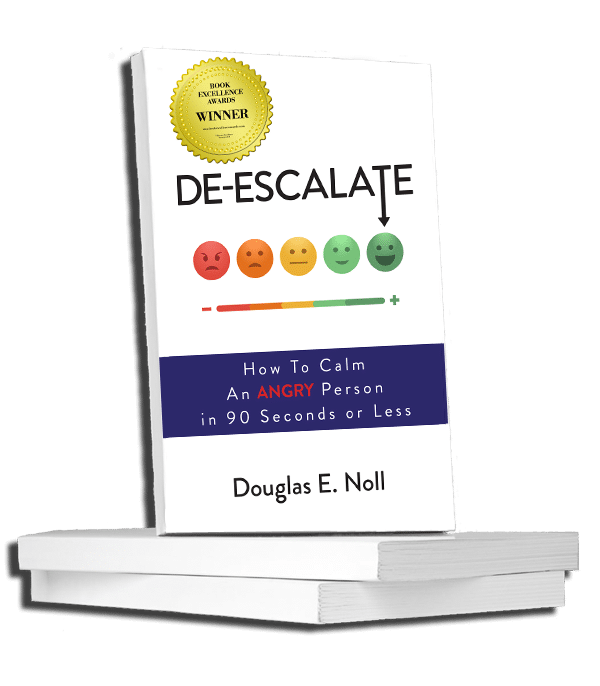
Emotional conflicts fracture teams and families. The ongoing tension breeds burnout, damages relationships, and hurts performance. The Noll Method’s 90-Second Power Move™ is a proven, neuroscience-based skill for restoring calm, tested from boardrooms to maximum-security prisons. Master this life-changing technique to transform chaos into collaboration. Book a no-obligation zoom call with Doug Noll today!
The Escalating Burden on Today’s Leaders
Burnout, classified by the World Health Organization as an occupational phenomenon, surfaces through profound emotional exhaustion, growing cynicism, and a diminished sense of accomplishment. Across North America, the intensity has sharpened in recent years. Heavy workloads, perpetual digital connectivity, and the aftershocks of economic and operational disruptions have driven many executives to contemplate departure in search of roles that genuinely prioritize well-being.
Leaders shoulder singular demands: they must steady teams amid uncertainty, navigate volatility with poise, and consistently produce results. The organizational toll is substantial talent drains away, productivity falters, and innovation grinds to a halt. Yet emerging insights from authoritative sources, including analyses in the Harvard Business Review, underscore how emotionally intelligent leadership can defuse tension, cultivate psychological safety, and halt burnout’s advance before it becomes entrenched.
Compounding the urgency, the broader workplace stress management landscape reflects booming investment. The global market reached significant scale in recent years, with projections showing continued robust expansion as companies recognize mental health’s direct tie to performance metrics.
Emotional Intelligence and Proven Calming Techniques Take Center Stage
At the heart of this evolution lies emotional intelligence encompassing self-awareness, self-regulation, empathy, and refined social skills. Robust research demonstrates that leaders strong in EI excel at modulating their reactions, spotting early distress signals in themselves and others, and choosing deliberate, clear-headed responses over impulsive ones.
Mindfulness techniques such as intentional breathing, meditation, and grounded present-moment focus complement EI seamlessly. Multiple studies affirm their power to lower stress markers, sharpen executive decision-making, and fortify resilience under pressure. Mindfulness-based programs, in particular, correlate with reduced burnout indicators among those in demanding positions.
Organizations increasingly weave these elements into leadership pipelines. Dedicated training modules build EI competencies, enabling executives to maintain composure amid turbulence. Meanwhile, accessible tools like mobile apps and brief daily routines democratize calming practices, allowing consistent application regardless of schedule. This comprehensive approach signals a fundamental acknowledgment: sustained high performance demands deliberate care for mental and emotional reserves.
Market dynamics reinforce the shift. According to industry analyses, the workplace stress management sector continues its strong growth trajectory. For instance, one comprehensive report positions the market at USD 9.98 billion in 2025, with expectations to reach USD 14.34 billion by 2030 at a 7.52% CAGR. North America commands a leading position, capturing roughly 34.68% share in recent assessments, while executive recognition of mental health’s influence on productivity, absenteeism, and healthcare expenditures has transformed wellness budgets into strategic priorities.
Demonstrated Impact Through Real-World Implementation
Pioneering organizations have already realized concrete advantages. Google’s innovative Search Inside Yourself initiative, launched in 2007, fused mindfulness training with emotional intelligence principles to equip employees and leaders in managing stress effectively. The internal success spawned the independent Search Inside Yourself Leadership Institute (SIYLI), now extending evidence-based programs globally.
Participants frequently cite enhanced resilience, diminished emotional drain, and stronger interpersonal team connections. Numerous other enterprises have adopted similar mindfulness offerings for leadership tiers and broader staff, yielding benefits like heightened concentration and reduced absenteeism. Supporting technologies mood-tracking applications, guided breathing sessions, and specialized EI coaching empower leaders to embed these habits into daily routines, converting theory into practical, repeatable behavior.
Addressing Realistic Obstacles
These approaches, while potent, encounter legitimate barriers. In performance-driven environments, some stakeholders dismiss EI development as insufficiently rigorous or overly time-intensive. Extending personalized practices organization-wide poses logistical challenges, and entrenched systemic issues chronic unrealistic timelines, unsupportive dynamics can blunt individual efforts.
Tailoring remains essential; a technique that restores one leader may fall flat for another. Moreover, while calming methods strengthen personal endurance, they cannot substitute for necessary structural reforms. Effective responses require combining individual tools with organizational commitments to healthier boundaries, transparent communication, and supportive frameworks.
Tangible Organizational Returns
The strategic case is compelling. Enterprises that invest in leader well-being via EI-focused burnout prevention experience measurable gains: elevated employee engagement, improved retention, and amplified productivity. Teams in psychologically safe settings report lower conflict and greater innovative capacity. Scalable solutions, particularly app-delivered mindfulness and virtual programs, extend these advantages efficiently across departments and hierarchies.
Ultimately, leaders who prioritize emotional intelligence generate widespread positive effects: steadier teams, more resilient cultures, and enterprises primed for enduring success. Industry forecasts indicate continued expansion in stress management solutions, with global projections underscoring the economic rationale for proactive investment.
Charting the Course Ahead
Forward-looking experts in leadership and organizational health foresee EI-integrated practices becoming foundational to future management. As workplace demands continue evolving, expect further refinements more personalized tech integrations, deeper daily workflow embedding, and advanced metrics tying well-being to performance.
Leaders can initiate change immediately: establish short daily breathing rituals, pursue targeted EI development, or incorporate brief mindfulness pauses into team interactions. Consistency and genuine modeling prove transformative when leaders visibly invest in their own balance, they signal to others that well-being powers, rather than competes with, achievement.
The core insight stands firm: confronting burnout through rigorously supported calming methods transcends self-care. It represents astute, forward-thinking leadership capable of forging organizations that thrive sustainably. In an era of unrelenting demands, those who master calm may well emerge as the most effective and enduring forces in business.
Frequently Asked Questions
What percentage of leaders are experiencing burnout in 2024?
Leadership burnout has risen to 56% in 2024, up from 52% in 2023. Middle managers face even higher rates, with surveys indicating burnout levels as high as 71% in the U.S. This escalating crisis affects decision quality, organizational culture, and employee retention across companies.
How does emotional intelligence help prevent leadership burnout?
Emotional intelligence (EI) helps leaders manage burnout by strengthening self-awareness, self-regulation, empathy, and social skills. Research shows that leaders with high EI excel at modulating their reactions, recognizing early distress signals, and making deliberate responses under pressure. When combined with mindfulness techniques like meditation and intentional breathing, EI enables leaders to maintain composure, sharpen decision-making, and build sustainable resilience.
What are proven workplace stress management techniques for executives?
Evidence-based calming methods include mindfulness practices (meditation, breathing exercises, present-moment focus), emotional intelligence training, and mobile apps for daily stress management. Programs like Google’s “Search Inside Yourself” have demonstrated measurable results, including enhanced resilience, reduced emotional drain, and stronger team connections. These techniques work best when combined with organizational support such as healthier boundaries and transparent communication frameworks.
Disclaimer: The above helpful resources content contains personal opinions and experiences. The information provided is for general knowledge and does not constitute professional advice.
You may also be interested in: Debunking Myths About the Inevitability of Workplace Fights
Emotional conflicts fracture teams and families. The ongoing tension breeds burnout, damages relationships, and hurts performance. The Noll Method’s 90-Second Power Move™ is a proven, neuroscience-based skill for restoring calm, tested from boardrooms to maximum-security prisons. Master this life-changing technique to transform chaos into collaboration. Book a no-obligation zoom call with Doug Noll today!
Powered by flareAI.co