Quick Listen:
It can hit like a sudden storm: a colleague’s voice spikes in the conference room, a client unleashes a barrage of insults over email, or a superior turns routine feedback into a personal attack. Verbal aggression in the workplace doesn’t just sting it can derail focus, damage trust, and leave lasting tension. Yet the way we answer in those charged seconds often matters more than the attack itself. is less about winning the moment and more about protecting your credibility, preserving working relationships, and keeping the conversation productive.
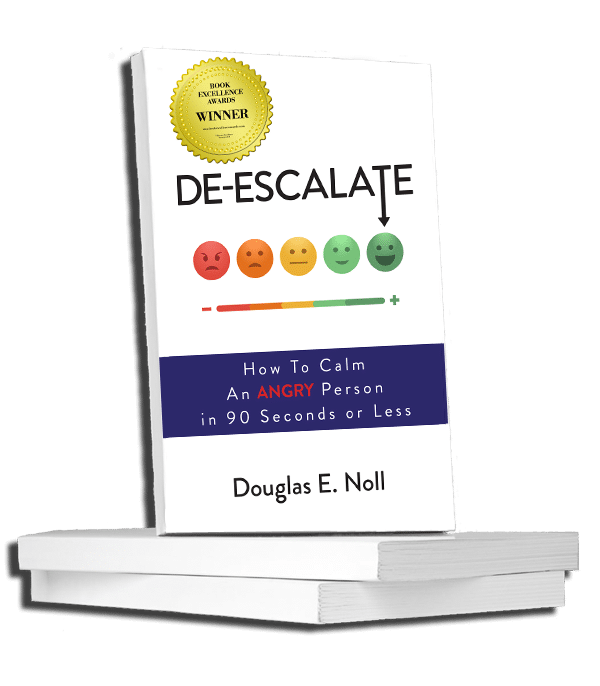
Emotional conflicts fracture teams and families. The ongoing tension breeds burnout, damages relationships, and hurts performance. The Noll Method’s 90-Second Power Move™ is a proven, neuroscience-based skill for restoring calm, tested from boardrooms to maximum-security prisons. Master this life-changing technique to transform chaos into collaboration. Book a no-obligation zoom call with Doug Noll today!
Recognizing Verbal Aggression When It Happens
Verbal aggression takes many forms, not all of them screaming matches. It can be a sharply raised tone, cutting sarcasm, repeated interruptions meant to dominate, blaming language (“You always…”), or thinly veiled threats to status or job security. The common thread is intent to intimidate, control, or wound rather than to solve a problem.
One clue is physiological: your pulse quickens, palms moisten, thoughts narrow. That’s the body signaling threat. Another clue is asymmetry the aggressor is flooding the exchange with emotion while expecting calm compliance in return. Recognizing these patterns early gives you precious seconds to choose a response instead of simply reacting.
Why Staying Calm Is Your First and Strongest Move
The single most powerful action you can take is to refuse to match the other person’s emotional intensity. When someone is yelling, lowering your volume and slowing your pace often pulls the emotional temperature down faster than any clever comeback. Neuroscientists describe this as interrupting an escalating feedback loop between the amygdala and prefrontal cortex. In plain terms: your calm can short-circuit their escalation.
That doesn’t mean freezing or becoming passive. It means deliberately regulating your own arousal so your thinking brain stays online. A slow breath in through the nose and out through the mouth, a momentary mental count to three, even shifting your posture slightly can create the space needed to respond thoughtfully rather than reflexively.
Core Verbal Strategies That De-escalate
Once you’ve steadied yourself, certain phrases reliably lower tension without surrendering ground. Here are five that experienced professionals return to again and again:
- “I can see this is really important to you. Let’s take a moment so I can understand your point fully.”
- “I want to make sure I’m hearing you correctly can you tell me the main thing you need from me right now?”
- “I’m committed to solving this with you. What outcome are you hoping for?”
- “I’m feeling a bit attacked by the tone here. Can we keep the conversation focused on the issue?”
- “I need a minute to process what you just said. I’ll respond once I’ve thought it through.”
Each of these statements does three things at once: acknowledges the other person’s emotion, refocuses on the task, and asserts a boundary without escalating.
The Central Role of Emotional Intelligence
Organizations increasingly turn to emotional intelligence training because it equips people to handle exactly these high-stakes interpersonal moments. Industry reports show the global market for emotional intelligence tools and training expanding rapidly, driven by demand for stronger soft skills, greater mental-health awareness, and the need for healthier workplace communication. The reason is straightforward: professionals who can read, regulate, and respond to emotions both their own and other’s navigate conflict more effectively and recover faster.
Key EI components in these situations include self-awareness (noticing your own rising frustration), self-regulation (choosing calm over retaliation), empathy (understanding what the aggressor might actually be afraid of or frustrated about), and social skill (steering the exchange back toward collaboration).
Empathy Without Agreement
Empathy is not the same as endorsing bad behavior. You can say, “It sounds like this deadline is creating enormous pressure for you,” without agreeing that shouting is acceptable. That small validation often reduces defensiveness enough to allow real discussion.
Setting and Holding Boundaries Professionally
Some aggression crosses into harassment or bullying. When it does, clear boundaries become non-negotiable. Use simple, firm language: “I will not continue this conversation while being spoken to this way. We can pick it up again when we’re both calm.” Then walk away if necessary politely but decisively.
Documenting what happened (time, place, exact words, witnesses) immediately afterward protects you if the pattern repeats or escalates. Many workplaces have policies that treat repeated verbal aggression as a conduct issue; knowing those policies ahead of time strengthens your position.
When to Escalate and How to Do It Effectively
Not every incident requires HR, but persistent, targeted, or severe aggression usually does. Before you go, ask yourself:
- Is the behavior repeated or part of a pattern?
- Does it interfere with your ability to do your job?
- Have you already tried addressing it directly without success?
- Does it violate company policy or legal standards (discrimination, hostile environment)?
If the answer is yes to most of those, prepare a concise factual account and schedule a private meeting with a manager or HR representative. Frame the conversation around impact on work rather than personal injury: “This pattern of interaction is making collaboration difficult and affecting team output.” That language keeps the focus professional and solution-oriented.
Building Longer-Term Resilience
The best defense against verbal aggression is a workplace culture that discourages it. Individuals can contribute by consistently modeling calm, respectful disagreement and by giving constructive feedback early rather than letting frustration build. Teams that practice regular check-ins, clear role expectations, and psychological safety suffer fewer explosive moments.
Personal resilience also matters. Regular exercise, sufficient sleep, mindfulness practice, and a trusted confidant outside work all strengthen your ability to absorb and defuse aggression without internalizing it. Think of it as emotional fitness: the more you train, the less likely a single harsh exchange will knock you off balance for days.
Final Thoughts
Verbal aggression will never disappear entirely from professional life pressure, poor communication habits, and human frailty guarantee that. But you can change how much power it holds over you and the people around you. By staying calm, using deliberate language, drawing on emotional intelligence, enforcing boundaries when necessary, and escalating thoughtfully, you turn a potential career derailment into an opportunity to demonstrate composure and leadership.
The next time the temperature rises, remember: the person who controls their response usually controls the outcome. That single choice pause instead of react, listen instead of counterattack can shift the entire trajectory of a difficult moment.
Frequently Asked Questions
What are the best ways to respond to verbal aggression in the workplace?
The most effective first response is to stay calm and refuse to match the aggressor’s emotional intensity lowering your voice and slowing your pace can actually de-escalate the situation faster than any comeback. From there, use deliberate phrases that acknowledge the other person’s emotion while redirecting focus to the issue, such as “I want to make sure I’m hearing you correctly what do you need from me right now?” The goal is to protect your credibility and keep the conversation productive, not to “win” the moment.
How does emotional intelligence help when dealing with aggressive colleagues or clients?
Emotional intelligence (EI) gives you the tools to manage high-stakes interpersonal conflict by helping you recognize, regulate, and respond to emotions both your own and others’. Key EI skills like self-awareness (noticing your rising frustration), empathy (understanding what might be driving the aggressor’s behavior), and self-regulation (choosing calm over retaliation) are central to navigating verbal aggression effectively. Importantly, showing empathy doesn’t mean excusing bad behavior it simply reduces defensiveness enough to open the door to real dialogue.
When should you escalate workplace verbal aggression to HR or management?
You should consider escalating when the aggressive behavior is repeated or part of a pattern, interferes with your ability to do your job, or potentially violates company policy or legal standards such as discrimination or a hostile work environment. Before escalating, document each incident with details like time, place, exact words, and any witnesses. When you do bring it to HR or a manager, frame the conversation around professional impact for example, “This pattern is making collaboration difficult and affecting team output” to keep the discussion solution-focused.
Disclaimer: The above helpful resources content contains personal opinions and experiences. The information provided is for general knowledge and does not constitute professional advice.
You may also be interested in: How to Embrace Emotional Skills Without Fear in Leadership
Emotional conflicts fracture teams and families. The ongoing tension breeds burnout, damages relationships, and hurts performance. The Noll Method’s 90-Second Power Move™ is a proven, neuroscience-based skill for restoring calm, tested from boardrooms to maximum-security prisons. Master this life-changing technique to transform chaos into collaboration. Book a no-obligation zoom call with Doug Noll today!
Powered by flareAI.co