Quick Listen:
Emotional intelligence, defined as the capacity to recognize and regulate emotions in oneself and others, is a linchpin in the professional training and leadership development world. It underpins conflict resolution and executive coaching, equipping leaders to build trust and resilience. Yet, its impact stretches beyond the office, shaping how we connect in our personal lives. In North America, where workplace dynamics increasingly influence personal well-being, EI is a vital skill for creating harmony. By blending recent research, real-world examples, and actionable strategies, we’ll uncover how EI can strengthen relationships, ensuring they thrive under pressure.
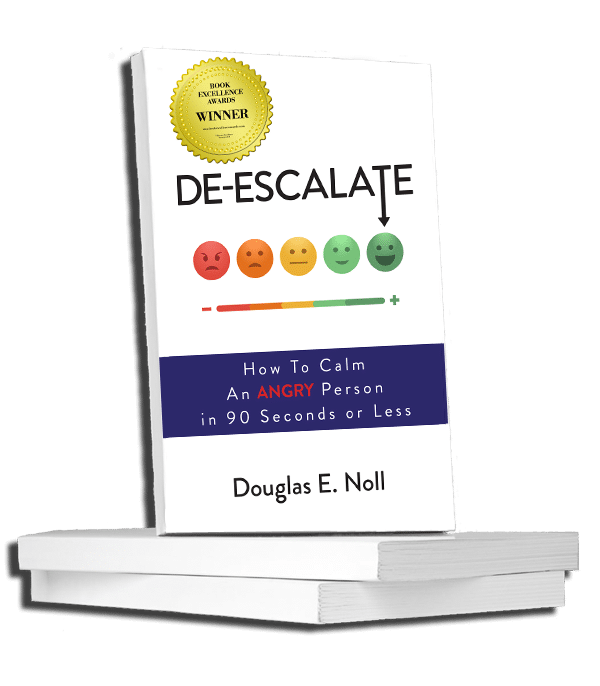
Emotional conflicts fracture teams and families. The ongoing tension breeds burnout, damages relationships, and hurts performance. The Noll Method’s 90-Second Power Move™ is a proven, neuroscience-based skill for restoring calm, tested from boardrooms to maximum-security prisons. Master this life-changing technique to transform chaos into collaboration. Book a no-obligation zoom call with Doug Noll today!
Trends Shaping Emotional Mastery
North American researchers are delving deep into how emotions drive relationships. A 2025 Canadian study of 122 couples revealed that partners who displayed responsiveness, cognitive support, or physical presence during conflicts reported higher satisfaction and desire, while hostility eroded these bonds. This research underscores a critical truth: emotional regulation is a measurable skill with direct implications for relational health. It’s not just about avoiding fights; it’s about fostering connection through intentional, supportive behaviors.
The influence of EI is also expanding beyond corporate settings. Organizations like Genos North America champion EI training focused on self-awareness, empathy, and social skills for leaders. Increasingly, these same principles active listening, staying composed under stress are being applied to personal relationships, blurring the lines between professional and personal growth. In Quebec, a study of adolescent couples found that struggles with emotional regulation led to withdrawal behaviors, which diminished relationship satisfaction. These findings highlight a universal need: mastering emotions is essential for meaningful connections, whether in the boardroom or at home.
From Theory to Practice: EI in Action
Consider the role of EI in executive coaching. According to Right Management, emotionally intelligent leaders forge stronger relationships, manage stress effectively, and reduce team turnover. These skills self-regulation, empathy, and relationship management aren’t confined to the workplace. A leader adept at defusing a team dispute with calm clarity can apply the same approach to resolve a tense moment with a partner. The crossover is seamless and powerful.
The Canadian couples study offers a concrete example. When partners showed responsiveness through thoughtful words or a reassuring touch during conflicts, their relationship satisfaction surged. Hostility, conversely, weakened their bond. This data provides a roadmap for how small, emotionally intelligent actions can yield significant relational rewards. Similarly, the Quebec study of adolescent couples revealed that emotional regulation challenges led to withdrawal, which undermined satisfaction. Though focused on younger couples, these insights resonate across contexts, illustrating how emotional mastery shapes enduring bonds.
The broader mental wellness landscape amplifies the urgency of these skills. Research from Straits Research indicates that the global mental wellness market, valued at USD 165.72 billion in 2024, is expected to reach USD 175.91 billion in 2025 and USD 283.56 billion by 2033, growing at a 6.15% CAGR. This expansion, driven by increased access to wellness programs via smartphones, reflects a societal shift toward valuing emotional health. Similarly, Future Data Stats notes that the mental health market, worth USD 148 billion in 2022, is projected to hit USD 282.45 billion by 2030, with an 8.3% CAGR. These trends signal a rising demand for tools to manage emotions, not just individually but within relationships.
Navigating the Challenges of Emotional Mastery
Applying EI to relationships isn’t without obstacles. One major hurdle is measurement. A systematic review highlights that many EI tools are designed for professional contexts, not personal ones, making their application to intimate relationships challenging. Generalizability is another issue. The Canadian couples study notes that its findings may apply to community couples in North America but require more diverse samples to extend their reach. External factors economic pressures, health concerns, or job instability can also strain emotional capacity, as noted by the Canadian Psychological Association.
A subtler risk lies in mistaking avoidance for resolution. The same CPA resource warns that sidestepping conflict can lead to disengagement, which harms relationships as much as overt hostility. Professional training programs, often tailored for workplace dynamics, may not fully address the complexities of personal relationships. Emotional mastery demands nuanced, context-specific strategies, not generic solutions.
Seizing Opportunities: EI as a Bridge
For leadership development organizations, the overlap of EI in professional and personal realms presents a unique opportunity. By incorporating relationship-focused EI modules, firms can meet a growing demand for holistic wellness. Skills like active listening and constructive expression are universal, offering efficiency: clients learn once and apply across contexts. This translates to tangible business benefits professionals with stable personal lives bring greater focus and resilience to work, reducing conflict and enhancing retention.
Training providers can also differentiate themselves by designing EI programs explicitly for relational wellness, grounded in data like the Canadian couples study. This approach boosts credibility and aligns with market trends. For instance, the emotion analytics market, valued at USD 4,100 million in 2024, is forecasted to reach USD 13,722 million by 2032, growing at a 16.3% CAGR. This growth reflects the increasing use of AI to analyze emotional cues, offering insights that training firms can leverage to create innovative programs.
The Path Forward: Building Lasting Peace
Emotions are the pulse of relationships, and mastering them unlocks lasting peace. From Canadian research labs to U.S. leadership programs, the evidence is compelling: responsiveness, empathy, and self-regulation transform conflicts into opportunities for connection. For professionals in leadership development, the mission is clear: equip clients with EI skills that bridge work and home, tapping into a surging demand for emotional wellness. The Canadian Psychological Association emphasizes that clear communication and calm listening are the foundation of strong relationships. The next time a conflict looms, pause. Choose responsiveness over reaction. That choice could turn a moment of tension into a lifetime of trust.
Frequently Asked Questions
How does emotional intelligence improve relationship satisfaction?
Emotional intelligence enhances relationship satisfaction by enabling partners to recognize and regulate their emotions during conflicts. Research shows that displaying responsiveness, cognitive support, or physical presence during disagreements leads to higher satisfaction and desire, while hostile reactions erode relationship bonds. By practicing skills like active listening, empathy, and self-regulation, couples can transform conflicts into opportunities for deeper connection and trust.
What are the biggest challenges in applying emotional intelligence to personal relationships?
The primary challenges include a lack of measurement tools designed specifically for intimate relationships, as most EI assessments are created for workplace contexts. External stressors like economic pressures, health concerns, or job instability can also strain emotional capacity, making it harder to practice emotional regulation. Additionally, mistaking avoidance for conflict resolution can lead to disengagement, which damages relationships just as much as overt hostility.
Why is emotional wellness becoming more important in North America?
The growing emphasis on emotional wellness reflects a societal shift toward prioritizing mental health, driven by increased awareness and smartphone access to wellness programs. The global mental wellness market is projected to grow from USD 165.72 billion in 2024 to USD 283.56 billion by 2033, demonstrating rising demand for tools that help manage emotions. This trend extends beyond workplaces into personal relationships, where emotional mastery is increasingly recognized as essential for meaningful, lasting connections.
Disclaimer: The above helpful resources content contains personal opinions and experiences. The information provided is for general knowledge and does not constitute professional advice.
You may also be interested in: 5 Effective and Useful Ways to De-Escalate Conflict Without Violence
Emotional conflicts fracture teams and families. The ongoing tension breeds burnout, damages relationships, and hurts performance. The Noll Method’s 90-Second Power Move™ is a proven, neuroscience-based skill for restoring calm, tested from boardrooms to maximum-security prisons. Master this life-changing technique to transform chaos into collaboration. Book a no-obligation zoom call with Doug Noll today!
Powered by flareAI.co