Quick Listen:
Here’s the article, crafted in the style of a New York Times Sunday feature thoughtful, immersive, and human, with a journalist’s eye for the real stakes behind the ideas.
In the pressure-cooker atmosphere of a late-night strategy session, when the room feels like it might crack under the weight of unspoken frustrations, one executive does something radical: he stops talking about the numbers and starts naming the feelings. “I can see this is incredibly frustrating,” he says, voice steady. The tension doesn’t vanish instantly, but it shifts shoulders drop, eyes meet, and suddenly the conversation becomes possible again. That small act of recognition is the heart of a quiet revolution in leadership, one that Doug Noll has spent decades refining from maximum-security prisons to corporate boardrooms.
As explored in How to Lead With Empathy: Applying Doug Noll’s Approach in Executive Coaching, the future of effective leadership isn’t about tougher decisions or sharper strategies alone. It’s about mastering the emotional undercurrents that drive every human interaction.
Emotional conflicts fracture teams and families. The ongoing tension breeds burnout, damages relationships, and hurts performance. The Noll Method’s 90-Second Power Move™ is a proven, neuroscience-based skill for restoring calm, tested from boardrooms to maximum-security prisons. Master this life-changing technique to transform chaos into collaboration. Book a no-obligation zoom call with Doug Noll today!
The Shift That’s Already Happening
Leadership has always evolved, but the pace feels different now. The old command-and-control style decisive, distant, unyielding still lingers in some corners, yet study after study shows it’s losing ground. Executives today are hungry for tools that help them read the room, not just run it.
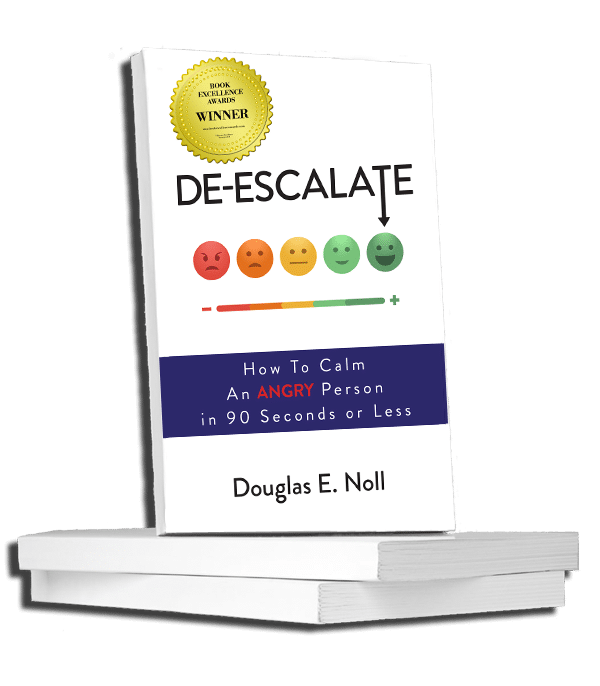
Doug Noll’s approach, built around what he calls the Noll Method™, is gaining traction precisely because it’s practical and neuroscience-backed. At its core is affect labeling: ignoring the content of angry words and reflecting back the underlying emotion. “You’re furious about this,” or “This feels deeply unfair to you.” Done right, it flips an emotional switch in under ninety seconds, moving someone from chaos to calm without force or argument.
It sounds simple, almost too simple until you see it work in real time. Corporate leaders who train with Noll report that these skills don’t just defuse conflict; they build the kind of trust that lets teams take risks, innovate, and stay loyal even when the pressure is relentless.
Empathy in Action: From Boardrooms to Bottom Lines
Picture a tense merger negotiation where egos are bruised and trust is thin. Instead of pushing harder on facts, a leader trained in Noll’s techniques pauses, acknowledges the fear and frustration in the room, and reflects it back. The atmosphere changes. People start listening. Solutions emerge that no one saw before.
Noll’s work began in some of the toughest environments imaginable teaching de-escalation to prison inmates but the principles translate seamlessly to executive suites. He emphasizes that empathy isn’t softness; it’s a strategic tool. Leaders who master it reduce turnover (often the biggest hidden cost), boost psychological safety, and unlock creativity that stays buried under chronic stress.
Organizations that embrace these methods see measurable gains: fewer destructive conflicts, faster decisions, stronger collaboration. Noll points to five concrete benefits lower turnover costs, higher productivity through safety and focus, better customer relationships, revenue growth from trust-based sales, and a more resilient culture ready for whatever comes next.dougnoll.com
The Real Barriers Leaders Face
Of course, it’s not all smooth sailing. Many executives grew up in cultures where showing emotion let alone naming someone else’s was a sign of weakness. Introducing empathy can feel like bringing a violin to a knife fight.
Then there’s the high-stakes reality: deadlines don’t wait for feelings. Leaders worry that pausing to acknowledge emotion will make them seem indecisive or, worse, soft. The tension between empathy and action is real, and bridging it takes practice.
Noll’s response is blunt: empathy isn’t the opposite of decisiveness; it clears the path for it. When people feel heard, they stop fighting to be understood and start contributing. The trick is learning the technique so it becomes second nature, not a performance.
What Empathy Actually Delivers
The payoff is tangible. Teams led with genuine empathy show higher engagement, lower burnout, and better retention. Productivity climbs not because people work longer hours, but because they work smarter, with less wasted energy on politics or resentment.
In one view from the research, empathy sits at the top of leadership skills for a reason: leaders who practice it consistently outperform those who don’t, especially when it comes to building trust and driving results. When people know their leader sees and values them as humans, they give more of themselves. That’s the quiet engine of high-performing organizations. online.hbs.edu
Looking Ahead: The Next Chapter for Leaders
Doug Noll believes we’re at an inflection point. As complexity rises AI, global teams, constant change the leaders who thrive will be the ones who can navigate human emotion with skill and grace. His executive coaching programs, rooted in decades of real-world testing, offer a roadmap: start with self-awareness, master affect labeling, build the habit of reflection before reaction.
It won’t happen overnight. It takes weeks of deliberate practice. But the executives who commit find something powerful: not just better teams, but a deeper sense of purpose in the work itself. In the end, leadership isn’t about never feeling the heat. It’s about knowing how to turn it into light.
Frequently Asked Questions
What is Doug Noll’s affect labeling technique and how does it work in leadership?
Affect labeling is a neuroscience-backed technique where leaders ignore the content of emotional outbursts and instead reflect back the underlying emotion such as saying “You’re furious about this” or “This feels deeply unfair to you.” This method can de-escalate tense situations in under 90 seconds by helping people feel heard and understood. When applied in executive settings, it transforms conflicts into productive conversations by addressing the emotional undercurrents that drive behavior.
What are the measurable business benefits of empathetic leadership?
Organizations that embrace empathetic leadership see five key benefits: reduced turnover costs, higher productivity through psychological safety, stronger customer relationships built on trust, increased revenue from trust-based sales approaches, and a more resilient organizational culture. Studies show that teams led with genuine empathy demonstrate higher engagement, lower burnout rates, and better retention, with productivity gains coming from smarter work rather than longer hours.
How can executives overcome resistance to empathy-based leadership in traditional corporate cultures?
Many executives face cultural barriers where showing emotion was historically seen as weakness, creating tension between empathy and decisive action. The key is understanding that empathy isn’t the opposite of decisiveness it actually clears the path for better decisions by helping people feel heard so they stop fighting to be understood and start contributing. Building this skill requires deliberate practice over several weeks, but leaders who commit find they can navigate high-stakes situations more effectively while maintaining strong team performance.
Disclaimer: The above helpful resources content contains personal opinions and experiences. The information provided is for general knowledge and does not constitute professional advice.
You may also be interested in: How Unique Training Helps Leaders Master Emotional Challenges
Emotional conflicts fracture teams and families. The ongoing tension breeds burnout, damages relationships, and hurts performance. The Noll Method’s 90-Second Power Move™ is a proven, neuroscience-based skill for restoring calm, tested from boardrooms to maximum-security prisons. Master this life-changing technique to transform chaos into collaboration. Book a no-obligation zoom call with Doug Noll today!
Powered by flareAI.co