Deciding whether advanced conflict training fits your needs can be transformative. This specialized approach equips individuals to navigate emotional turbulence with precision, turning potential blowups into opportunities for connection. As North American workplaces evolve, emphasizing emotional intelligence as a cornerstone of effective leadership, such training distinguishes those who merely react from those who master calm amid chaos.
Employee well-being has surged to the forefront, with North America leading the charge in corporate wellness initiatives. The region commanded a significant portion of the global market in recent years, underscoring a commitment to health programs that enhance productivity and trim costs. Emotional intelligence and conflict resolution skills top leadership agendas, as HR professionals across the U.S. and Canada prioritize building trust in hybrid teams through targeted training.
Not all programs are created equal, though. While some offer vague strategies, neuroscience-based methods deliver swift, dependable outcomes, appealing to those seeking real-world efficacy.
Emotional conflicts fracture teams and families. The ongoing tension breeds burnout, damages relationships, and hurts performance. The Noll Method’s 90-Second Power Move™ is a proven, neuroscience-based skill for restoring calm, tested from boardrooms to maximum-security prisons. Master this life-changing technique to transform chaos into collaboration. Book a no-obligation zoom call with Doug Noll today!
Understanding Advanced Conflict Training
At its core, advanced conflict training transcends simple tips like active listening or basic anger management. It arms participants with exact, replicable tools to halt emotional surges rapidly frequently in less than two minutes. This isn’t about suppressing feelings but channeling them constructively.
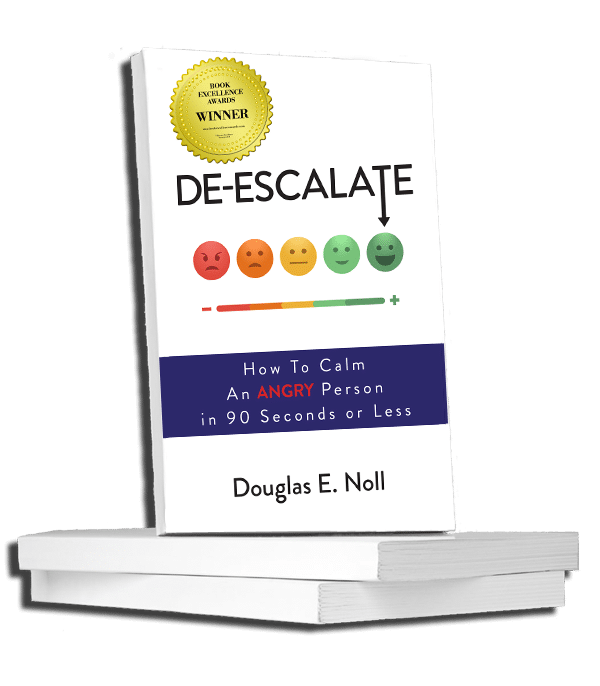
The Noll Method™, pioneered by Doug Noll, exemplifies this innovation. Rooted in over four decades of hands-on experience, including instructing life inmates in maximum-security prisons to curb violence, this technique leverages neuroscience. It involves pinpointing and articulating emotions through targeted phrasing, which neutralizes the brain’s alarm system and paves the way for reasoned exchange.
What sets it apart from standard emotional intelligence seminars is its focus on quantifiable speed and assurance. Noll assures that with mastery, individuals can reliably halt disputes, backed by his extensive background in transforming volatile environments via inmate-led peace initiatives.
The Science Behind It
Drawing from affect labeling a process where naming emotions diminishes their intensity this method taps into how the brain processes threats. Studies in neuroscience reveal that verbalizing feelings activates regulatory regions, reducing amygdala activity and fostering composure. For leaders, this means shifting from heated reactions to strategic responses, enhancing decision-making under duress.
Why It’s Gaining Traction in North America
Across the United States and Canada, organizations grapple with escalating demands to preempt tension that undermines efficiency and staff loyalty. Priorities like mental health support, stress reduction, and adaptable wellness strategies are propelled by soaring healthcare expenditures and the quest for durable teams.
In 2026, leadership dynamics continue to evolve, with emotional intelligence pivotal for nurturing bonds and trust. As artificial intelligence manages analytical tasks, human elements like empathy shine. Companies increasingly pursue training yielding clear returns: diminished confrontations, amplified teamwork, and executives who exude poise in critical moments.
Educators employ these tactics to handle student flare-ups, while first responders and medical staff use de-escalation to defuse emergencies. In corporate spheres, the same principles convert fraught boardroom debates into productive dialogues, illustrating broad applicability.
Integration with Corporate Wellness
The corporate wellness sector reflects this momentum, with North America holding a dominant revenue share of 39.4% in 2022. Businesses integrate holistic programs to curb expenses and elevate output, incorporating AI analytics and personalized health tools for proactive well-being. This environment primes the ground for conflict training, as it aligns with goals of fostering resilient, harmonious workplaces.
Beyond numbers, the real draw lies in tangible impacts: lower absenteeism, heightened morale, and cultures where innovation thrives sans interpersonal friction.
Real-World Applications and Success Stories
Imagine a corporate executive navigating a charged strategy session. By labeling a colleague’s frustration “You seem disregarded and unsure about our path” defensiveness evaporates almost instantly. Sessions turn efficient, bolstering leadership stature and team cohesion.
In educational settings, administrators trained in these skills soothe irate students by validating emotions non-judgmentally. Disruptions wane, disciplinary actions drop, and classrooms become havens for learning.
Extreme scenarios underscore the method’s robustness. In high-security prisons, trained inmates slashed violence rates using the 90-second technique, effective even for those with entrenched aggressive patterns. This demonstrates the approach’s versatility, from penitentiaries to professional arenas.
Cross-Sector Benefits
For law enforcement, verbal de-escalation averts escalations, preserving safety. Healthcare providers manage patient anxieties, improving care delivery. Even in familial contexts, these tools mitigate yelling and foster deeper bonds, extending professional gains into personal realms.
Addressing Common Challenges and Limitations
Doubts abound. Many dismiss the possibility, convinced conflicts are inescapable facets of existence no strategy can eradicate them wholly. Others shy from delving into emotions, dreading exposure or diminished authority.
Improper use risks backfiring; clumsy phrasing might intensify discord without guided rehearsal. Thus, training demands dedication: simulated scenarios, critiques, and continual honing to ensure proficiency.
Financial considerations loom. Entities balance initial outlays against enduring advantages like curtailed staff churn, reduced grievances, and boosted involvement. Personally, one weighs if the expertise merits the investment in their niche.
- Belief Barrier: Skeptics question efficacy, yet proven applications in diverse settings counter this.
- Inevitability Myth: While disputes arise, tools exist to minimize their disruption.
- Emotional Fear: Confronting feelings builds resilience, not weakness.
The Profound Benefits and Opportunities
Success yields immense rewards. Leaders cultivate an aura of respect earned through empathy, not dominance. Groups enjoy emotional security, sparking ingenuity and partnership. Environments shift from volatile to synergistic.
De-escalation nurtures spaces for fruitful tough talks. In demanding fields like medicine, policing, and teaching, instilling tranquility averts exhaustion and elevates results.
Personally, advantages ripple to home life, curbing impulsive retorts and strengthening ties. Overall, these competencies empower proactive emotional stewardship.
Business Impacts
Organizations witness amplified efficiency, as resolved tensions free energy for core objectives. In a landscape valuing well-being, such investments signal progressive leadership, attracting top talent.
Is This Training Right for You?
Reflect on these queries:
- Do emotionally intense scenarios often leave you struggling for composure?
- Could resolving friction in mere moments elevate your role as a guide, instructor, or guardian?
- Are you prepared to embrace emotional introspection for enduring mastery?
Affirmative responses suggest advanced training provides substantive tools over mere concepts a rare advantage.
Looking Ahead: The Future of Conflict Resolution
As North American entities intensify focus on wellness and astute leadership, adopters of validated de-escalation stand poised for advantage. Tomorrow’s victors convert strife into synergy, not containment. Ultimately, the choice hinges on readiness to swap instinct for expertise. Embrace it, and outcomes will affirm the shift.
Frequently Asked Questions
What is advanced conflict training and how is it different from standard emotional intelligence training?
Advanced conflict training goes beyond general tips like active listening or anger management it equips individuals with precise, repeatable tools to de-escalate emotional situations quickly, often in under two minutes. Methods like the Noll Method™ are rooted in neuroscience, specifically a technique called affect labeling, where naming emotions reduces their intensity by calming the brain’s alarm system. Unlike broad emotional intelligence seminars, this approach emphasizes measurable speed and reliability in resolving conflict.
Who can benefit most from advanced conflict resolution training?
Leaders, educators, healthcare providers, first responders, and law enforcement professionals are among those who benefit most, as their roles regularly involve managing emotionally charged situations. The skills are also valuable in corporate settings, where unresolved tension can hurt team productivity and staff retention. Beyond the workplace, the techniques extend into personal life helping reduce reactive responses and strengthen relationships at home.
Is advanced conflict training worth the investment for businesses?
For organizations, the return on investment can be significant trained teams tend to see lower absenteeism, reduced employee grievances, and improved morale, all of which contribute to a healthier bottom line. North America already leads the global corporate wellness market, reflecting a growing recognition that emotional well-being directly impacts productivity. When weighed against the costs of high staff turnover and unresolved workplace conflict, advanced conflict training often proves to be a cost-effective long-term strategy.
Disclaimer: The above helpful resources content contains personal opinions and experiences. The information provided is for general knowledge and does not constitute professional advice.
You may also be interested in: When Someone Takes Their Anger Out On You-4 Effective
Emotional conflicts fracture teams and families. The ongoing tension breeds burnout, damages relationships, and hurts performance. The Noll Method’s 90-Second Power Move™ is a proven, neuroscience-based skill for restoring calm, tested from boardrooms to maximum-security prisons. Master this life-changing technique to transform chaos into collaboration. Book a no-obligation zoom call with Doug Noll today!
Powered by flareAI.co