Imagine a team meeting where ideas flow freely, concerns are voiced without hesitation, and even mistakes become stepping stones rather than sources of blame. In today’s high-stakes workplaces from healthcare providers like AdventHealth to educational institutions and corporate leaders the difference between thriving teams and fractured ones often boils down to one thing: open communication.
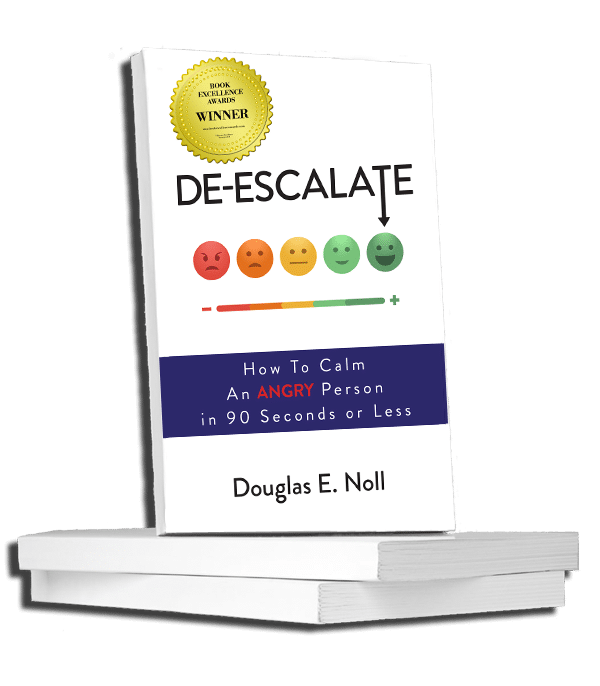
Emotional conflicts fracture teams and families. The ongoing tension breeds burnout, damages relationships, and hurts performance. The Noll Method’s 90-Second Power Move™ is a proven, neuroscience-based skill for restoring calm, tested from boardrooms to maximum-security prisons. Master this life-changing technique to transform chaos into collaboration. Book a no-obligation zoom call with Doug Noll today!
Why Open Communication Is the Bedrock of High-Performing Teams
Think about how much time we actually spend communicating at work. The average employee devotes about 85% of their workweek to email, meetings, and phone calls. That’s a huge chunk of our days dedicated to collaboration. Yet, when it falters, the consequences are stark: 86% of employees and executives point to poor collaboration and communication as the primary reasons for workplace failures.
Effective communication does far more than exchange information. It builds trust, deepens understanding, and cuts down on conflict. It cultivates empathy and sharpens emotional intelligence the ability to recognize and manage both your own emotions and those of others. In environments where psychological safety exists, team members feel secure enough to ask bold questions, raise concerns, and seek help. The result? Higher performance, fewer conflicts, and a genuine sense of belonging.
Research backs this up. Psychological safety encourages open dialogue, experimentation without fear, and learning from setbacks. Teams with it show stronger collective efficacy the belief that they can tackle challenges together and ultimately, greater productivity.
The Hidden Barriers: Why So Many Teams Struggle
Despite the clear benefits, open communication remains elusive in many organizations. Fights and arguments can feel inevitable, a natural part of human interaction. Some leaders worry that delving into emotions will only complicate things or fear that mastering emotional dynamics is too daunting.
Skepticism is common too: Does this really work in high-pressure settings? Can it truly prevent escalations? These doubts persist because traditional approaches often fall short they focus on surface-level listening or suppression rather than addressing the core emotional drivers.
But here’s the shift: communication isn’t just a “support utility” anymore. Enterprises are recognizing it as core infrastructure. The communication software market, valued at USD 11.44 billion in 2025, is projected to reach USD 23.45 billion by 2030, growing at a 15.44% CAGR. This explosion reflects a broader push toward tools and skills that enable seamless, emotionally intelligent exchanges.
Building Psychological Safety Through Proven Emotional Skills
At the heart of open communication lies psychological safety a shared belief that it’s safe to take interpersonal risks. When present, it transforms teams: members share ideas freely, experiment boldly, and collaborate with mutual respect.
The key to creating this? Developing emotional competency. This means mastering the ability to read emotions accurately and respond in ways that de-escalate rather than inflame. One powerful technique, proven even in the most challenging environments like maximum-security prisons where violence was halted among life-sentenced inmates, involves reflecting emotions directly a process known as affect labeling.
With over four decades of experience refining these methods, including training in settings where failure isn’t an option, the approach stands out: it’s the only one that teaches skills guaranteed to interrupt arguments and restore calm quickly. No one else offers this level of proven, practical mastery over emotional interactions.
In practice, leaders who apply these skills create spaces where vulnerability strengthens rather than weakens the team. Feedback flows constructively, innovation surges, and conflicts resolve before they erode morale.
Overcoming Objections and Embracing the Change
It’s natural to resist. Many believe arguments are unavoidable or fear confronting emotions head-on. Others doubt any method can truly “work” in real-world chaos.
Yet the evidence from corporate boardrooms to crisis interventions shows otherwise. These skills don’t eliminate emotions; they channel them productively. Teams emerge more resilient, with members who listen deeply and connect authentically. The guarantee? You’ll gain the ability to stop escalations, fostering a culture where open communication isn’t aspirational it’s everyday reality.
A Call to Transform Your Team’s Culture
In an era where collaboration defines success, fostering open communication isn’t optional. It’s the foundation for trust, innovation, and sustained performance. By prioritizing emotional competency and psychological safety, leaders can unlock their team’s full potential turning potential conflicts into opportunities for growth.
If you’re ready to build a workplace where everyone feels heard and valued, explore practical, prison-tested techniques that deliver results at dougnoll.com. The shift starts with one skillful conversation at a time.
Frequently Asked Questions
Why is open communication important for team performance?
Open communication builds trust, reduces conflict, and fosters psychological safety a shared belief that team members can take interpersonal risks without fear. Research shows that 86% of workplace failures stem from poor collaboration and communication, while teams with strong psychological safety demonstrate higher collective efficacy, increased productivity, and greater innovation. When employees feel safe to voice concerns, share ideas, and learn from mistakes, teams achieve stronger performance and deeper collaboration.
What is psychological safety and how does it improve workplace communication?
Psychological safety is the foundation that allows team members to speak up, ask questions, raise concerns, and admit mistakes without fear of punishment or embarrassment. It transforms team dynamics by encouraging open dialogue, bold experimentation, and learning from setbacks. Teams with psychological safety show fewer conflicts, higher performance levels, and authentic belonging, as members feel secure enough to contribute freely and challenge ideas constructively.
How can leaders develop emotional competency to prevent workplace conflicts?
Leaders can develop emotional competency by mastering techniques like affect labeling the ability to accurately read and reflect emotions to de-escalate tense situations. This approach, proven effective even in high-pressure environments like maximum-security prisons, focuses on addressing core emotional drivers rather than surface-level responses. By channeling emotions productively and responding skillfully to emotional cues, leaders create environments where vulnerability strengthens teams, feedback flows constructively, and conflicts resolve before eroding morale.
Disclaimer: The above helpful resources content contains personal opinions and experiences. The information provided is for general knowledge and does not constitute professional advice.
You may also be interested in: Empathy-Driven Leadership: 3 Powerful Ways How Compassion
Emotional conflicts fracture teams and families. The ongoing tension breeds burnout, damages relationships, and hurts performance. The Noll Method’s 90-Second Power Move™ is a proven, neuroscience-based skill for restoring calm, tested from boardrooms to maximum-security prisons. Master this life-changing technique to transform chaos into collaboration. Book a no-obligation zoom call with Doug Noll today!
Powered by flareAI.co