Quick Listen:
Picture this: a volatile maximum-security prison yard on the brink of eruption. Tensions simmer as inmates square off, words flying like daggers. Then, one figure intervenes not with force, but with precise, empathetic phrasing that pierces through the rage, diffusing the standoff in mere moments. This isn’t a guard; it’s an inmate, equipped with emotional intelligence techniques that redirect focus from hostile accusations to raw, underlying emotions.
Emotional conflicts fracture teams and families. The ongoing tension breeds burnout, damages relationships, and hurts performance. The Noll Method’s 90-Second Power Move™ is a proven, neuroscience-based skill for restoring calm, tested from boardrooms to maximum-security prisons. Master this life-changing technique to transform chaos into collaboration. Book a no-obligation zoom call with Doug Noll today!
How Emotional Intelligence Training Enhances Leadership Effectiveness
In the fast-paced, high-pressure arenas of North American workplaces, leaders grapple daily with relentless demands looming deadlines, dispersed remote teams, evolving priorities, and the inevitable sparks of interpersonal conflict. While technical prowess might secure a position, it’s emotional intelligence, or EI the capacity to identify, comprehend, and regulate emotions in oneself and others that truly sustains team unity and drives productivity. A compelling survey of 100 professionals reveals that leaders boasting robust EI shine in areas like empathy, ethical behavior, conflict mediation, and motivational prowess, profoundly elevating team interactions and organizational outcomes.
These insights aren’t isolated; they align with broader market surges underscoring EI’s value. For instance, the corporate leadership training market stood at USD 33.90 billion in 2023, expanding to USD 36.60 billion in 2024 and forecasted to hit USD 72.65 billion by 2032 at an 8.95% CAGR over that period. North America commanded a dominant 52.45% market share in 2023, fueled by heightened recognition of leadership’s role in bolstering financial health amid technological shifts and globalization. Similarly, the soft skills training market is valued at USD 39.02 billion in 2025, projected to reach USD 65.05 billion by 2030 with a 10.76% CAGR, led by North America and accelerating fastest in Asia Pacific. This growth reflects a pivot toward programs emphasizing collaboration, empathy, and adaptability in hybrid work settings.
Delving deeper, the dedicated emotional intelligence market was pegged at USD 4.5 billion in 2024, with expectations to climb to USD 12.78 billion by 2033 at a 12.3% CAGR from 2026 to 2033. This expansion, spanning components like software and services, and applications in human resources and mental health, is propelled by technological progress, sustainability focuses, and shifting consumer needs. Another analysis echoes this trajectory: the global EI sector begins at USD 10.29 billion in 2026, soaring to USD 32.08 billion by 2035 with a 13.4% CAGR, driven by sectors including corporate training, healthcare, education, and mental health services amid rising soft skills demand and mental health consciousness.
The Shift Toward Emotionally Intelligent Leadership
Gone are the days when leadership development fixated solely on strategic planning and operational tactics. Progressive organizations now weave EI into their core curricula to tackle upheavals like organizational restructurings, virtual teamwork challenges, and unforeseen crises. Effective leaders master the art of pinpointing emotions validating feelings of frustration or anxiety prior to problem-solving which swiftly alleviates strains and cultivates enduring trust among team members.
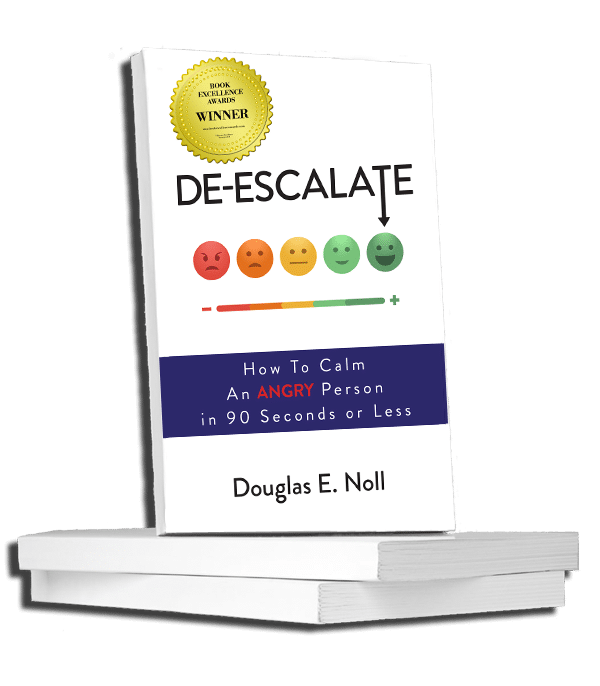
This methodology packs a punch in environments rife with discord. Over the past decade-plus, Douglas E. Noll, a renowned peacemaker, has honed these competencies via the Prison of Peace initiative. Here, he empowers life-sentenced inmates to evolve into adept mediators. The outcomes astounded correctional authorities: once-aggressive individuals mastered de-escalating altercations in seconds, slashing prison violence through techniques of active empathetic listening and emotional affirmation. With over four decades as a mediator and educator, Noll extends these battle-hardened strategies forged in the most unforgiving arenas to executives in corporations, medical practitioners, and academic professionals throughout North America.
Noll’s teachings stand apart: he’s the sole expert delivering these precise skills, backed by a guarantee that practitioners can halt disputes and quarrels effectively. His 40+ years encompass not just theoretical knowledge but practical triumphs in curbing violence among the incarcerated, translating seamlessly to professional spheres where emotional mastery prevents minor disagreements from ballooning into major disruptions.
Real-World Impact: From Prisons to Boardrooms
Examine the healthcare sector, where relentless stress frequently spawns exhaustion and high attrition rates. Facilities embracing EI-centric training witness enhancements in patient outcomes, bolstered staff loyalty, and more composed dispute resolutions. These benefits mirror findings from an extensive study associating EI elements such as self-control and compassion with heightened motivational impact and reliability in leadership roles.
In technology and business realms, executives schooled in sidestepping provocative rhetoric to mirror fundamental emotions spur greater teamwork and inventive thinking. Noll’s methodology assures learners the proficiency to arrest intensifying debates via expert emotional acknowledgment a technique distinguished by its incarceration-proven dependability and swift efficacy. Companies observe uplifted decision processes, amplified workforce involvement, and more fluid adaptation to transformations.
Beyond for-profits, governmental entities and nonprofits harness EI training to amplify public involvement and internal solidarity, forging leaders who motivate through example rather than edict. For example, in educational settings, administrators apply these tools to mediate student-faculty clashes, fostering inclusive atmospheres that prioritize emotional well-being alongside academic achievement.
Expanding on this, consider how EI intersects with ethical leadership. Research indicates that ethically attuned leaders, bolstered by high EI, markedly amplify team motivation. Social aptitude emerges as vital for rallying groups around shared objectives, ensuring alignment and sustained momentum. Though based on exploratory data from a modest sample, these observations advocate for embedding EI in development regimens, incorporating coaching and evaluations to nurture interpersonal prowess and long-term enterprise viability.
Addressing the Skeptics
Doubts linger among some quarters. Critics might dismiss the efficacy, insisting that clashes and disputes are immutable facets of existence, destined to persist indefinitely. Others harbor apprehensions about delving into and commanding their emotions, viewing it as a daunting vulnerability rather than a strength.
Yet, the proof counters these reservations head-on. Conflicts aren’t etched in stone; when leaders deploy authenticated emotional strategies, resolutions materialize swiftly. Embracing emotions doesn’t equate to dread it’s a pathway to empowerment, enabling individuals to navigate complexities with poise. Noll’s Prison of Peace exemplifies this: even in dire straits, participants morph into harmony brokers, validating that these instruments thrive universally, from cellblocks to conference rooms.
To overcome disbelief, organizations can pilot small-scale EI sessions, tracking metrics like reduced conflict incidents or improved satisfaction scores. Addressing fears involves framing emotional work as skill-building, akin to learning a new language one that unlocks deeper connections and resilient leadership. By demystifying the process, skeptics often convert, recognizing EI’s tangible returns in calmer, more collaborative environments.
The Bottom-Line Benefits
Leaders infused with emotional intelligence propel operational streamlined through superior issue resolution and minimized interruptions. They elevate participation and loyalty by ensuring voices resonate. Dispute handling transforms radically, converting looming failures into pivotal advancements.
Market trajectories for EI-infused training underscore explosive potential, with segments poised to achieve multibillion valuations soon. Investments yield fortified, adaptable squads capable of weathering economic fluxes and competitive pressures. In North America, where innovation and sustainability converge, EI equips leaders to harness diverse talents, driving inclusive growth and ethical practices that resonate with modern stakeholders.
Furthermore, EI fosters a culture of continuous improvement. Teams under such guidance exhibit lower absenteeism, higher creativity, and better adaptability to change key in industries like tech and healthcare facing rapid evolutions. Quantitatively, organizations report upticks in productivity metrics, with some studies linking EI to double-digit gains in employee retention and overall performance indices.
Looking Ahead: A Call to Action
Emotional intelligence transcends optional perks; it’s the differentiator elevating competent managers to exceptional visionaries in North America’s dynamic terrain. Grounded in solid scholarly explorations or field-proven approaches, the directive is unequivocal: champion EI education, embed daily emotional affirmation practices, and observe as collectives flourish.
The horizon favors those who forge profound bonds, adeptly neutralize tensions, and guide with intellect and empathy intertwined. Embark on this evolution now your enterprise will reap the rewards imminently, positioning itself as a beacon of effective, humane leadership in an increasingly interconnected world.
Frequently Asked Questions
How does emotional intelligence training impact leadership effectiveness?
Emotional intelligence (EI) enhances leadership effectiveness by helping leaders manage emotions, improve empathy, and handle interpersonal conflicts better. Leaders with strong EI foster trust and cooperation, leading to increased team performance and stronger organizational outcomes.
Why is emotional intelligence crucial for leaders in high-pressure environments?
In high-pressure environments, emotional intelligence allows leaders to stay calm under stress, handle conflicts effectively, and maintain team morale. This emotional regulation leads to better decision-making and problem-solving, which is crucial in fast-paced and remote work settings.
Can emotional intelligence training reduce workplace conflicts?
Yes, emotional intelligence training equips leaders with the tools to recognize and validate emotions, reducing conflicts. Leaders learn to approach disagreements with empathy, turning potential conflicts into opportunities for collaboration and improved teamwork.
Disclaimer: The above helpful resources content contains personal opinions and experiences. The information provided is for general knowledge and does not constitute professional advice.
You may also be interested in: Cultivating Empathy In The Workplace-6 Effective Ways – Douglas E
Emotional conflicts fracture teams and families. The ongoing tension breeds burnout, damages relationships, and hurts performance. The Noll Method’s 90-Second Power Move™ is a proven, neuroscience-based skill for restoring calm, tested from boardrooms to maximum-security prisons. Master this life-changing technique to transform chaos into collaboration. Book a no-obligation zoom call with Doug Noll today!
Powered by flareAI.co