Quick Listen:
Picture this: a maximum-security prison yard, tension thick as the air before a storm. An inmate, veins bulging, voice booming with rage, edges closer. Most would retreat or summon reinforcements. Douglas E. Noll, a seasoned mediator, does the opposite. He stands firm, tunes out the torrent of words, reads the fury beneath, and offers a quiet reflection: “You feel angry.” Seconds tick by. The shouting softens. Shoulders drop. In under ninety seconds, the storm passes. This isn’t luck it’s a deliberate, science-backed skill that prevents explosions before they ignite.
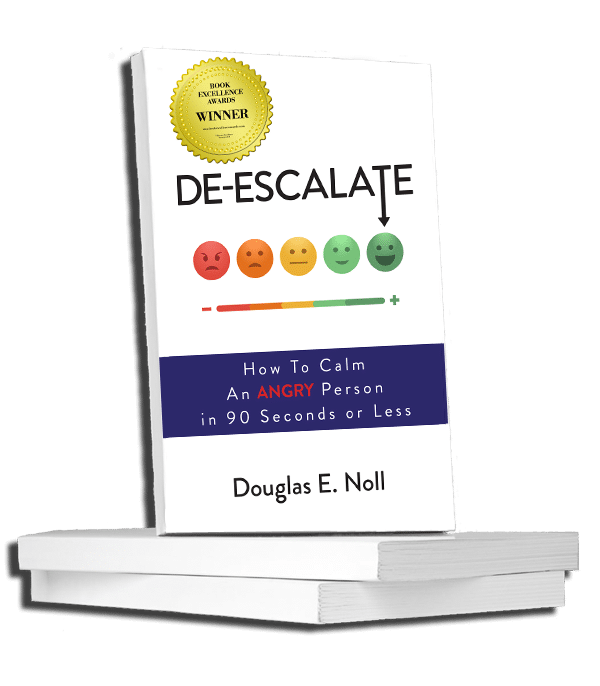
Conflicts erupt daily in offices, homes, streets, and beyond. Conventional wisdom urges us to reason, compromise, or assert dominance. Yet these tactics frequently fan the flames, turning disagreements into full-blown confrontations. Douglas E. Noll, once a successful trial lawyer, grew weary of watching disputes drag on endlessly. He pivoted to peacemaking, co-founding the Prison of Peace project and developing a transformative approach detailed in his acclaimed book De-Escalate: How to Calm an Angry Person in 90 Seconds or Less. At its heart lies affect labeling: ignore the content of angry words, identify the underlying emotion, and reflect it back with simple, nonjudgmental “you” statements “You feel frustrated,” “You’re disappointed,” “You feel unheard.” No debating. No advising. Just pure validation that quiets the brain’s alarm system.
This method draws from neuroscience, particularly studies showing that naming emotions reduces activity in the amygdala the brain’s fear center while engaging the prefrontal cortex for clearer thinking. Noll refined it over years in volatile settings, from prisons to high-stakes negotiations, proving its power to restore calm rapidly and reliably.
Emotional conflicts fracture teams and families. The ongoing tension breeds burnout, damages relationships, and hurts performance. The Noll Method’s 90-Second Power Move™ is a proven, neuroscience-based skill for restoring calm, tested from boardrooms to maximum-security prisons. Master this life-changing technique to transform chaos into collaboration. Book a no-obligation zoom call with Doug Noll today!
The Rising Emphasis on Emotional Intelligence in Conflict Management
A profound shift is underway. Punitive or purely rational approaches to conflict are yielding to strategies grounded in emotional intelligence. Across North America, organizations increasingly adopt these methods to foster healthier environments. When individuals regulate emotions during disputes, negative feelings can diminish significantly, clearing the path for productive resolution.
Noll’s technique exemplifies this evolution. It sidesteps flawed assumptions like the belief that de-escalation requires persuasion or immediate compromise and instead builds emotional safety. In critical fields such as law enforcement, emergency response, and healthcare, practitioners report swift cooperation from agitated individuals after applying similar labeling. One emergency responder described using the approach on a patient who had shattered glass in frustration; calm arrived quickly, averting escalation and restraints.
Proven Results Across High-Stakes Environments
The evidence emerges from real stories. In California correctional facilities, Noll and collaborator Laurel Kaufer trained hundreds of women serving life sentences in these skills. The outcome? Markedly fewer altercations and resolutions that rebuilt fragile peace. Wardens praised the change as profound. The approach translates seamlessly elsewhere: executives halt boardroom tensions, parents soothe explosive tantrums, partners transform arguments into mutual understanding.
Envision a simmering workplace clash. Rather than forcing hasty compromise which often buries real grievances a leader employing Noll’s method might observe, “You feel frustrated because your input went unnoticed.” Defenses crumble. Dialogue opens. Solutions arise organically. This draws on established brain science: labeling emotions dampens the amygdala, restoring rational capacity.
Dispelling Persistent Misconceptions
Several enduring myths hinder effective conflict handling. One holds that resolution demands concessions from all sides. Noll demonstrates that genuine de-escalation can occur without yielding ground by ensuring the other person feels profoundly heard. Compromise follows naturally once emotions settle.
Another misconception suggests de-escalation involves convincing or overriding the angry person, which can feel coercive and provoke backlash. Noll prioritizes validation: provide safety first. If the initial label misses the mark “You’re angry” the person often corrects it “No, I’m hurt” deepening connection and accelerating calm. The technique isn’t infallible extreme violence or rigid stances may require other interventions, and skeptics sometimes label it “too soft.” Yet its track record training thousands, averting countless escalations speaks volumes.
Business Advantages and Broader Societal Value
Organizations stand to gain substantially. Integrating emotional intelligence training like Noll’s cuts human resources burdens, reduces staff turnover, and elevates productivity by minimizing time lost to unresolved friction. In today’s high-stress, hybrid workplaces, leaders skilled in these methods cultivate environments where people feel secure expressing ideas and remaining committed.
This ties into a larger trend in personal safety education. The professional self-defense training market, valued at USD 4.1 billion in 2026, is projected to reach USD 6.9 billion by 2033, expanding at a compound annual growth rate of 8.2%. This surge stems from heightened awareness of personal safety, demand for structured programs targeting women, corporate staff, and law enforcement, plus innovations in virtual and augmented reality training. Alongside physical techniques, emphasis on mental resilience and situational awareness grows areas where Noll’s non-confrontational de-escalation complements traditional approaches by preventing physical threats altogether.
The societal potential is equally compelling. As divisions deepen, weaving de-escalation into schools, leadership development, and community programs could reduce our collective hair-trigger responses. Noll envisions a future where such skills become commonplace, turning potential flashpoints into moments of understanding.
Toward a More Peaceful Tomorrow
When rage surfaces whether in yourself or another resist the instinct to counter, fix, or flee. Pause. Observe the emotion. Name it gently. Observe the shift. In ninety seconds or less, the trajectory changes. The fight dissolves before it escalates. Douglas Noll hasn’t reinvented emotion, but he has equipped us with a precise, evidence-based way to meet it. In an increasingly polarized era, this simple act of reflection may prove our most potent tool for peace.
Frequently Asked Questions
How does Doug Noll’s 90-second de-escalation technique actually work?
Doug Noll’s method uses affect labeling a neuroscience-backed approach where you ignore the content of angry words and instead identify and reflect the underlying emotion using simple “you” statements like “You feel frustrated” or “You’re disappointed.” This technique reduces activity in the brain’s amygdala (fear center) while engaging the prefrontal cortex for clearer thinking, allowing an agitated person to calm down in 90 seconds or less without requiring compromise or persuasion.
Can emotional intelligence training really prevent workplace conflicts?
Yes, emotional intelligence training like Noll’s method has proven effective across high-stakes environments from maximum-security prisons to corporate boardrooms. Organizations that integrate these techniques report reduced staff turnover, lower HR burdens, and increased productivity by minimizing time lost to unresolved friction. When leaders validate emotions before seeking solutions, they create psychologically safe environments where disputes are resolved before escalating into major confrontations.
What’s the biggest myth about de-escalating angry people?
The most persistent myth is that de-escalation requires immediate concessions or compromise from both parties. Noll demonstrates that genuine de-escalation happens simply by making the other person feel profoundly heard through validation no yielding ground necessary. Once emotions settle through affect labeling, productive dialogue and natural solutions emerge organically without forced compromise or attempts to convince the angry person they’re wrong.
Disclaimer: The above helpful resources content contains personal opinions and experiences. The information provided is for general knowledge and does not constitute professional advice.
You may also be interested in: The Impact of Specialized De-escalation Skills in Business
Emotional conflicts fracture teams and families. The ongoing tension breeds burnout, damages relationships, and hurts performance. The Noll Method’s 90-Second Power Move™ is a proven, neuroscience-based skill for restoring calm, tested from boardrooms to maximum-security prisons. Master this life-changing technique to transform chaos into collaboration. Book a no-obligation zoom call with Doug Noll today!
Powered by flareAI.co