December 3

7 Essential Christian Conflict Skills That Diffuse Tension Instantly

0  comments

  MINUTE READ

7 Essential Christian Conflict Skills That Diffuse Tension Instantly

READ LATER - DOWNLOAD THIS POST AS PDF >> CLICK HERE <<

Introduction

Conflict is unavoidable, but how you handle it can either escalate tension or bring peace. Developing strong Christian conflict skills gives you the ability to stay grounded, respond with compassion, and protect your relationships even during difficult conversations. These techniques are not only faith-based—they are practical, actionable, and deeply effective. In this blog, you’ll learn seven essential Christian conflict skills that help you diffuse tension instantly.


1. Lead With Calm Before You Speak

1. Slow Your Breathing to Reset Your Mind

Calmness is the foundation of Christian conflict management because a steady mind produces steady responses. When you slow your breath, your nervous system settles, and your clarity returns. This prevents emotional hijacking during tense moments. A simple deep breath can shift the entire tone of a conversation. With practice, this becomes a powerful habit.

2. Pause Instead of Reacting Impulsively

A moment of silence protects you from saying something hurtful. Christian conflict skills emphasize responding with intention instead of reacting from emotion. Pausing gives your mind a chance to align with your values. It also signals to the other person that you are controlling your emotions, not being controlled by them. This shift alone diffuses tension quickly.

3. Say a Brief Internal Prayer

Inviting God into the moment brings grounding and clarity. A short prayer such as “Lord, calm my heart” centers your spirit. This aligns your emotions with peace instead of frustration. Bringing God into conflict is a core part of Christian conflict principles. It shifts your mindset from defensiveness to grace.

4. Relax Your Facial Expression and Posture

People react not just to your words but to your presence. Christian conflict skills encourage calm body language because it makes the conversation feel safer. Relaxing your shoulders and softening your expression prevents misunderstandings. This helps the other person stay open rather than defensive. Small physical changes can shift the emotional atmosphere quickly.

5. Focus on Being a Peacemaker, Not a Fighter

Your mindset shapes your outcome. Christian conflict emphasizes entering every discussion with peace as your priority, not victory. This intention changes how you speak, listen, and respond. When the goal is harmony, your ego becomes quieter. This mindset diffuses tension before words are even exchanged.

Book A Meeting With Doug


2. Listen First, Speak Second

1. Give Them Time to Fully Express Themselves

Interrupting signals disrespect and accelerates conflict. Christian conflict skills teach that true listening lowers emotional intensity and makes people feel valued. When someone feels heard, their defensiveness decreases. Allowing them space to finish creates an atmosphere of trust. This shifts the conversation toward understanding rather than argument.

2. Listen to the Emotion Beneath Their Words

Words often hide deeper feelings—hurt, fear, disappointment. Christian conflict approaches encourage listening with compassion, not just logic. When you tune into the emotion, you gain insight into their true pain. This creates empathy and helps you respond gently. It also prevents you from misinterpreting their message.

3. Avoid Preparing Your Reply While They Speak

When your mind focuses on your rebuttal, you stop listening. Christian conflict principles emphasize presence. Listening fully ensures you respond to the real issue, not your assumptions. This prevents unnecessary escalation. It also communicates humility and openness.

4. Validate Their Feelings Without Agreeing

Validation does not mean surrendering your viewpoint. Christian conflict encourages acknowledging the other person’s experience with phrases like “I understand why you’d feel that way.” Validation soothes emotional tension and builds connection. People soften when they feel understood. This creates a more productive environment.

5. Reflect Their Words to Show True Understanding

Repeating a summary of their point shows you’re committed to clarity. This aligns with Christian conflict values of sincerity and honesty. It prevents miscommunication and earns trust. Reflection also slows down the emotional pace. This gives you both space to respond more thoughtfully.

Discover seven essential Christian conflict skills that instantly diffuse tension and help you communicate peacefully, honestly, and confidently.


3. Speak With Truth and Love

1. Use Gentle “You” Statements Instead of Accusations

Christian conflict encourages speaking truth without aggression. “You feel” or “You noticed” statements communicate clearly without provoking defensiveness. This keeps the conversation respectful. It also helps you express your needs without attacking their character. Gentleness opens doors that harshness closes.

2. Address the Issue, Not the Person

Character attacks escalate conflict instantly. Christian conflict teaches you to separate behavior from identity. Focusing on the issue prevents unnecessary hurt. This approach leaves the person’s dignity intact. It also leads conversations toward solutions rather than blame.

3. Keep Your Tone Slow and Even

Tone communicates more emotion than words. A calm tone embodies Christian conflict principles because it invites safety. Slow, steady speech signals maturity and emotional control. This stabilizes the conversation and encourages the other person to mirror your calmness. It turns potential explosions into manageable discussions.

4. Avoid Emotional Absolutes Like “Always” or “Never”

These words exaggerate and inflame. Christian conflict emphasizes accuracy and grace in communication. Absolute language makes the other person feel attacked and cornered. Removing these extremes reduces defensiveness. It also keeps the conversation grounded in reality.

5. Speak the Truth Without Harshness

Truth should be clear but delivered gently. Christian conflict prioritizes honesty paired with compassion. Harsh truth can damage relationships, but softened truth fosters understanding. This balance leads to healing instead of distance. It also strengthens long-term trust.


4. Regulate Emotions Through Faith

1. Recognize Your Triggers Before They Take Over

Everyone has emotional hotspots. Christian conflict skill-building begins with self-awareness. Recognizing your triggers gives you the power to slow down your emotional response. This prevents impulsive reactions. Awareness becomes your first line of defense against escalation.

2. Reframe the Situation From a God-Centered Perspective

Instead of assuming the worst, look through a spiritual lens. Christian conflict encourages seeing others with grace and understanding. This reframing shifts your emotions from irritation to compassion. It helps you approach the conflict with patience. Reframing is one of the fastest ways to calm your internal storm.

3. Ask Yourself Who You Want to Be in This Moment

Identity shapes behavior. Christian conflict challenges you to act in alignment with your values—kindness, humility, and patience. When you remember who you want to be, anger loses its control. This question brings clarity and calms your emotional intensity. It also increases your emotional resilience.

4. Avoid Mirroring Their Negative Emotions

Anger meeting anger only escalates the conflict. Christian conflict teaches emotional differentiation—the ability to stay calm even when others are not. Your calmness acts like a buffer that slows down tension. This keeps the conversation from spiraling. It also models emotional maturity.

5. Surrender the Moment to God

When you feel overwhelmed, release control. Christian conflict emphasizes trusting God’s wisdom more than your emotional impulses. Surrender calms your heart, clears your mind, and reduces internal pressure. You become more patient and thoughtful. This spiritual grounding transforms how you handle conflict.


5. Set Boundaries With Grace

1. State Your Limits Clearly and Calmly

Boundaries protect relationships. Christian conflict skills encourage clarity without aggression. When you express limits respectfully, you prevent resentment from building. Clear boundaries reduce confusion and miscommunication. They also protect your emotional wellbeing.

2. Use “I Need” Statements to Clarify Expectations

Communicating needs openly reduces assumptions. Christian conflict emphasizes transparency to build trust. “I need time to think” or “I need us to speak calmly” brings clarity. This guides the conversation toward mutual respect. It also prevents emotional overload.

3. Step Back When Necessary to Prevent Escalation

Sometimes the most peaceful action is to pause the conversation. Christian conflict teaches wisdom in knowing when to walk away temporarily. This prevents emotional harm. It also gives both sides time to cool down. Returning with a clear mind leads to healthier dialogue.

4. Protect Peace Without Punishing the Other Person

Boundaries should not be used to manipulate or control. Christian conflict emphasizes using boundaries for clarity, not punishment. When boundaries are rooted in love, not anger, they preserve connection. This builds emotional safety. It also strengthens the long-term health of the relationship.

5. Stick to Your Boundaries Consistently

Consistency builds respect. Christian conflict encourages holding firm to your limits with calmness. This shows that your boundaries are real, not reactive. When others see you maintain them, trust increases. Consistency also improves your own emotional discipline.


6. Pursue Reconciliation, Not Victory

1. Focus on Healing the Relationship Instead of Winning

Christian conflict shifts your goal from dominance to unity. Winning may feel satisfying momentarily, but it harms the relationship long term. Reconciliation builds trust and peace. This mindset reduces your emotional intensity. It also promotes mutual respect.

2. Look for Common Ground Sooner Rather Than Later

Shared values or goals dissolve tension faster than debate. Christian conflict techniques encourage identifying alignment early. This transforms a disagreement into a partnership. When both people feel connected, conflict becomes easier to resolve. Common ground builds cooperation.

3. Apologize Sincerely When Needed

Owning your mistakes models humility. Christian conflict emphasizes confession because it breaks the cycle of blame. A sincere apology disarms hostility and makes repair possible. It shows maturity and responsibility. It also rebuilds trust immediately.

4. Ask What They Need to Move Forward

Healing requires understanding the other person’s needs. Christian conflict prioritizes compassion-driven questioning. Wondering what would help them creates safety. This reduces lingering resentment. It also accelerates emotional repair.

5. Practice Grace When Emotions Flare

Grace turns conflict into growth. Christian conflict teaches that extending grace—even when undeserved—breaks patterns of defensiveness and anger. It softens the emotional atmosphere. Grace also helps you respond with patience and empathy. This transforms the entire conflict dynamic.


7. End Every Difficult Conversation With Respect

1. Thank Them for Talking Honestly With You

Acknowledgment strengthens connection. Christian conflict values mutual respect and gratitude. Thanking someone de-escalates lingering tension. It shows appreciation for their openness. This reinforces trust.

2. Reaffirm the Relationship’s Importance

Reminding them “We’re on the same team” or “I care about you” restores emotional safety. Christian conflict emphasizes prioritizing the relationship over the argument. This reassurance prevents emotional distance. It also helps the other person feel valued.

3. Summarize the Agreed-Upon Next Steps

Clarity prevents future misunderstandings. Christian conflict encourages ending conversations with a shared understanding. This reinforces unity and reduces uncertainty. Clear steps also keep both parties accountable. This helps the relationship move forward smoothly.

4. Leave on a Calm, Steady Tone

The final tone of a conversation determines how both of you feel afterward. Christian conflict emphasizes ending with gentleness. This protects the relationship even if full agreement hasn’t been reached. A steady tone prevents lingering bitterness. It signals peace.

5. Pray for Peace After the Conversation

Prayer restores emotional balance. Christian conflict integrates spiritual grounding to help you process the moment with wisdom. Prayer softens any lingering tension in your heart. It strengthens your resilience. It also deepens your reliance on God for future conflicts.


Final Thoughts

Conflict doesn’t have to destroy peace or relationships. With strong Christian conflict skills, you can diffuse tension instantly, respond with wisdom, and build deeper connection even in emotionally charged moments. These seven essential skills help you slow down, listen deeply, communicate clearly, regulate emotions, and pursue reconciliation with intention. When you consistently practice these techniques, you grow not only in relational maturity but in spiritual strength. Peace becomes something you create—not something you wait for.

Join Our Free Community

READ LATER - DOWNLOAD THIS POST AS PDF >> CLICK HERE <<
{"email":"Email address invalid","url":"Website address invalid","required":"Required field missing"}

Loved this? Spread the word


Get Doug's Book

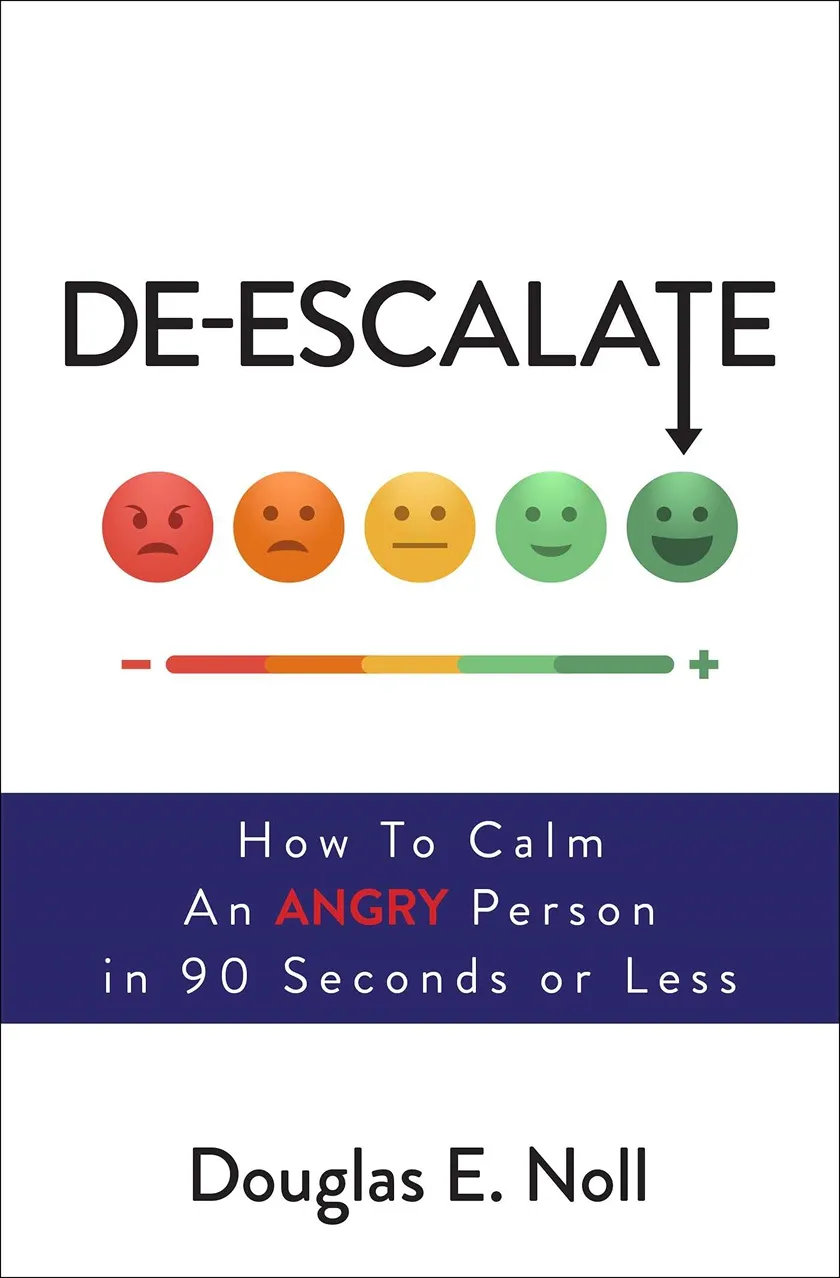
De-Escalate: How to Calm an Angry Person in 90 Seconds or Less

And receive deep discounts on Doug's online training when you purchase the book.


de-escalate doug noll

About the Author

Joash Nonis

Related posts

Reframing Workplace Crisis: How Precise Emotional Phrasing Can Halt Escalation

Read More

The Neuroscience Behind the 90-Second Power Move and Conflict De-Escalation

Read More

Why Emotional Competency Is the New Competitive Advantage for Corporate Teams

Read More

From Inmate to Mediator: Lessons from the Prison of Peace Initiative

Read More
>