November 28

How to Handle Difficult Employees with Empathy, Entrepreneur

0  comments

  MINUTE READ

How to Handle Difficult Employees with Empathy, Entrepreneur

Quick Listen:

Picture a tense moment in a Chicago boardroom: an employee’s sharp words halt a strategy session, frustration simmers, and the team’s focus unravels. This scenario plays out daily across North American workplaces, where hybrid work and mounting stress amplify interpersonal conflicts. How do leaders address difficult employees without derailing morale or escalating tensions? The answer lies in empathy a skill once dismissed as soft but now recognized as a cornerstone of effective leadership. As organizations navigate the complexities of modern work, empathetic conflict management is reshaping corporate cultures, driving retention, and boosting productivity across the U.S. and Canada.

Emotional conflicts fracture teams and families. The ongoing tension breeds burnout, damages relationships, and hurts performance. The Noll Method’s 90-Second Power Move™ is a proven, neuroscience-based skill for restoring calm, tested from boardrooms to maximum-security prisons. Master this life-changing technique to transform chaos into collaboration. Book a no-obligation zoom call with Doug Noll today!

Empathy: The Bedrock of Modern Leadership

Today’s workplace is under strain. The American Psychological Association’s 2024 Work and Well-Being Survey reveals that 59% of U.S. employees experience stress linked to poor communication and unaddressed emotional tensions. This isn’t merely a human resources issue it’s a financial one. Workplace conflicts cost North American companies an estimated USD 359 billion annually, underscoring the urgency for solutions. Enter empathy, a leadership approach that’s proving its worth. According to the Society for Human Resource Management (SHRM) and the Center for Creative Leadership, leaders trained in emotional intelligence (EQ) can reduce turnover by up to 40%. Far from a feel-good tactic, empathy is a strategic tool that equips managers to navigate the emotional landscape of today’s workforce.

In North America, where hybrid work and post-pandemic recovery have reshaped expectations, empathy is now a leadership imperative. A 2025 Harvard Business Review survey found that 72% of executives in the U.S. and Canada rank empathy as a top managerial skill. By listening without judgment, validating emotions, and addressing concerns thoughtfully, leaders are defusing conflicts and fostering trust that fuels performance. This shift reflects a broader recognition: understanding employees is as critical as managing them.

Trends Redefining Leadership with Empathy

North American companies are embracing empathy through cutting-edge strategies. Industry leaders like Google, Salesforce, and Shopify are weaving emotional literacy and conflict de-escalation into their leadership training, prioritizing skills like reflective listening and emotional labeling. These techniques, inspired by experts like Doug Noll, focus on uncovering the root causes of employee behavior rather than reacting to surface-level issues. As noted in a Harvard Program on Negotiation article, when employees appear uncooperative, effective managers ask questions to explore underlying motivations, transforming conflicts into opportunities for dialogue.

Psychological safety is another rising priority, with companies using trust and engagement metrics to gauge leadership success. Meanwhile, U.S. HR technology firms are deploying AI tools to analyze tone and feedback, enabling leaders to refine their empathetic approaches. The global HR technology market, valued at USD 40.45 billion in 2024, is expected to soar to USD 81.84 billion by 2032, growing at a 9.2% CAGR, driven in part by these innovations. North America, with a 34% market share in 2023, leads this trend, and the U.S. HR software market is projected to grow at over 11% annually through 2030. These tools are empowering leaders to build more cohesive teams.

Empathy at Work: Real-World Impact

Microsoft’s North American operations provide a powerful case study. Their Seattle-based “Empathy in Action” program, which emphasizes nonjudgmental listening and reflective acknowledgment, mirrors Noll’s de-escalation framework. The outcome? A 28% boost in retention among teams previously plagued by interpersonal strife. By training managers to approach difficult employees with compassion, Microsoft has turned potential conflicts into moments of growth, proving empathy’s practical value.

In Canada, the Royal Bank of Canada (RBC) has seen parallel success with its “Lead with EQ” initiative. By adopting neuroscience-based emotional labeling backed by University of British Columbia research showing that acknowledging emotions enhances perceptions of fairness RBC improved engagement scores by 22%. Smaller enterprises are also benefiting. A Toronto SaaS startup reported a 35% drop in HR escalations after implementing emotional regulation coaching for managers, demonstrating that empathy is effective across organizational scales.

These examples highlight a broader truth: empathy drives results. Strategic leaders who integrate empathy into decision-making not only resolve conflicts but also foster environments where employees feel valued and heard, boosting morale and productivity.

The Hurdles of Empathetic Leadership

Empathy, while powerful, isn’t without challenges. North American managers often grapple with emotional labor fatigue, struggling to balance compassion with accountability. Regional communication differences U.S. leader’s directness versus Canadian manager’s diplomacy demand tailored training approaches. Measuring empathy’s impact also poses difficulties. Although Gallup’s 2024 North American study ties empathetic leadership to 17% higher productivity and 23% higher profitability, quantifying intangibles like trust remains elusive.

Resistance to empathy training is another barrier, particularly among executives who prioritize measurable metrics over “soft skills.” The Yale Center for Emotional Intelligence highlights the risk of “empathy fatigue” when organizations fail to support empathetic practices with robust policies. Without systemic backing, leaders may view empathy as a burden rather than a strength, undermining its potential.

Seizing Opportunities for Change

Despite these obstacles, the case for empathy is compelling. Beyond slashing conflict-related costs, empathetic leadership enhances employer branding, turning employees into advocates for compassionate workplaces. The North American corporate training market, projected to hit USD 22.5 billion by 2030, is increasingly fueled by EQ-focused programs. Companies investing in these initiatives see measurable gains, from stronger retention to greater team unity.

Doug Noll’s framework built on reflective listening, emotional validation, and de-escalation offers a practical roadmap for embedding empathy into leadership. Stanford University’s Compassionate Leadership Project further notes that empathy training reduces unconscious bias, promoting inclusivity. Looking ahead, the integration of AI and neuroscience in leadership development is set to accelerate, with hybrid learning models and EQ certifications becoming standard in North American firms.

The HR management market reflects this shift. Valued at USD 27.51 billion in 2024, it’s expected to reach USD 60.52 billion by 2030, with a 14.4% CAGR, driven by cloud-based solutions and workforce analytics. North America, holding a 36.21% market share in 2024, is at the forefront, with large enterprises leading adoption. These trends signal a growing commitment to empathy as a driver of organizational success.

The Future of Leadership: Empathy as the Core

Empathy is no longer a peripheral skill it’s the pulse of effective leadership. From Silicon Valley to Toronto’s tech hubs, North American organizations are discovering that understanding employees is as vital as managing them. Frameworks like Doug Noll’s, which prioritize listening and validation, are helping leaders transform conflicts into opportunities for connection. As workplace empathy gains traction, it’s reshaping how companies operate, fostering cultures where trust and innovation flourish.

In an era dominated by data and automation, the human element remains irreplaceable. Leaders who embrace empathy are not just resolving disputes they’re building resilient, future-ready organizations. As North American workplaces evolve, one principle endures: the ability to connect, understand, and inspire will define the leaders who shape tomorrow’s success.

Frequently Asked Questions

Why is empathy important when managing difficult employees?

Empathy is a strategic leadership tool that helps managers understand the root causes of employee behavior rather than simply reacting to surface-level issues. According to research from SHRM and the Center for Creative Leadership, leaders trained in emotional intelligence can reduce turnover by up to 40%. By listening without judgment and validating emotions, empathetic leaders defuse conflicts, build trust, and create environments where employees feel valued ultimately boosting both morale and productivity.

What are effective empathy-based techniques for handling difficult employees?

Effective techniques include reflective listening, emotional labeling, and asking questions to explore underlying motivations rather than making assumptions. Companies like Microsoft and RBC have successfully implemented programs that emphasize nonjudgmental listening and emotional validation, resulting in retention improvements of 28% and engagement score increases of 22% respectively. The key is to acknowledge employee’s emotions and create opportunities for dialogue, transforming conflicts into moments of growth and connection.

How do North American companies measure the ROI of empathetic leadership training?

While measuring empathy’s impact can be challenging, Gallup’s 2024 North American study links empathetic leadership to 17% higher productivity and 23% higher profitability. Companies track metrics such as employee retention rates, engagement scores, and reductions in HR escalations for example, a Toronto SaaS startup reported a 35% drop in HR escalations after implementing emotional regulation coaching. Additionally, the growing HR technology market (projected to reach $81.84 billion by 2032) is deploying AI tools to analyze tone and feedback, helping organizations quantify the effectiveness of empathetic leadership approaches.

Disclaimer: The above helpful resources content contains personal opinions and experiences. The information provided is for general knowledge and does not constitute professional advice.

You may also be interested in: Affect Labeling: The Powerful 21st Century Listening Skill – Douglas

Emotional conflicts fracture teams and families. The ongoing tension breeds burnout, damages relationships, and hurts performance. The Noll Method’s 90-Second Power Move™ is a proven, neuroscience-based skill for restoring calm, tested from boardrooms to maximum-security prisons. Master this life-changing technique to transform chaos into collaboration. Book a no-obligation zoom call with Doug Noll today!

Powered by flareAI.co

{"email":"Email address invalid","url":"Website address invalid","required":"Required field missing"}

Loved this? Spread the word


Get Doug's Book

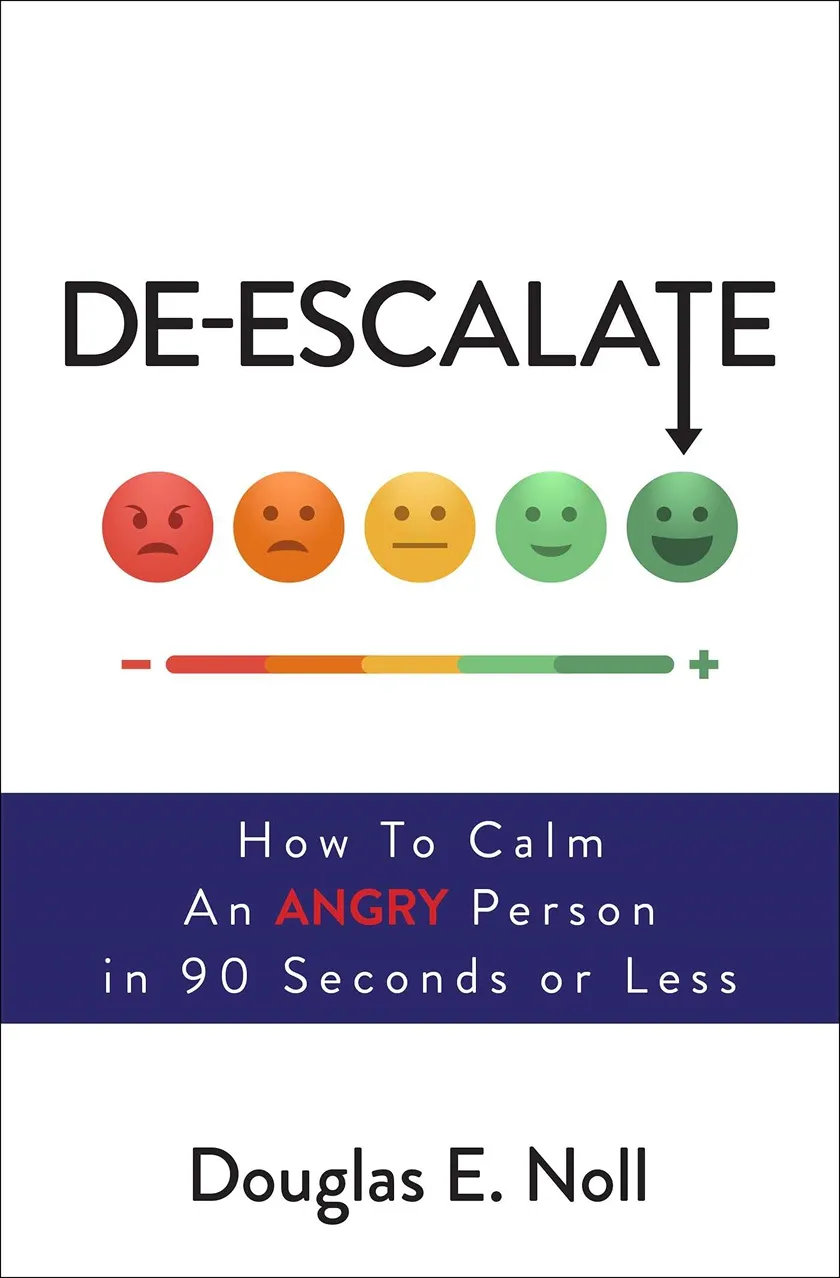
De-Escalate: How to Calm an Angry Person in 90 Seconds or Less

And receive deep discounts on Doug's online training when you purchase the book.


de-escalate doug noll

About the Author

flareAI Services

Related posts

Empathetic Leadership: 4 Proven Ways to Build Unshakeable Organizational Trust

Read More

Mastering Leadership Empathy: 5 Essential Lessons for High Level Executives

Read More

Lead with Empathy: 6 Effective Strategies to Boost Employee Retention Today

Read More

The Leadership Empathy Secret: 5 Powerful Reasons Your Team is Currently Disengaged

Read More
>