Quick Listen:
In the charged silence of a shared meal, tension can simmer beneath the surface. A couple sits, each word or gesture carrying the weight of potential conflict. For many, these moments are fraught with risk emotions flare, misunderstandings deepen, and relationships strain. Yet, with the right tools, couples can transform these challenges into opportunities for growth. Emotional regulation techniques, grounded in psychological research and honed through professional counseling, offer a path to navigate conflict with clarity and connection. In an era marked by heightened stress, mastering these skills is not just valuable it’s essential for thriving partnerships.
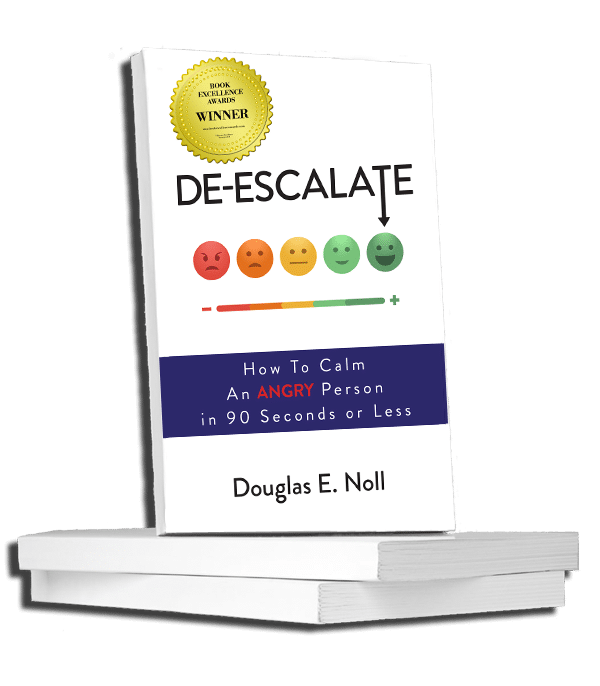
Emotional conflicts fracture teams and families. The ongoing tension breeds burnout, damages relationships, and hurts performance. The Noll Method’s 90-Second Power Move™ is a proven, neuroscience-based skill for restoring calm, tested from boardrooms to maximum-security prisons. Master this life-changing technique to transform chaos into collaboration. Book a no-obligation zoom call with Doug Noll today!
The Roots of Relationship Tension
Conflict in intimate relationships is universal, but today’s pressures amplify its intensity. A column in The Atlantic notes that post-pandemic stress has left Americans more reactive, citing a surge in air rage incidents over 5,700 cases in 2021 compared to 100-150 in typical years, with most tied to mask disputes. This societal volatility extends to personal relationships, where couples must manage not only their own emotional triggers but also those of their partner. The stakes are high: unchecked emotions can escalate minor disagreements into lasting rifts.
Emotional regulation the ability to recognize, process, and respond to intense feelings lies at the heart of conflict resolution. Without it, partners risk falling into cycles of blame and withdrawal. Fortunately, evidence-based techniques, widely taught in counseling, can equip couples to de-escalate tensions and foster mutual understanding. These tools are increasingly accessible, driven by a growing demand for professional support in navigating relationship challenges.
A Booming Market for Emotional Support
The need for relationship guidance is evident in the rapid growth of the emotional marriage counseling market, valued at $2.9 billion in 2024 and projected to reach $6.3 billion by 2033, with a steady 7.5% annual growth rate. North America dominates, holding a 39% share, fueled by strong mental health awareness and advanced telehealth systems. Meanwhile, the Asia Pacific region is poised for the fastest growth, driven by evolving cultural attitudes and the rise of digital therapy platforms. Providers like BetterHelp, Talkspace, and The Gottman Institute are meeting this demand, offering both in-person and online services to help couples address communication breakdowns and emotional strain.
The online therapy sector is particularly transformative. According to a market report, the online couples therapy market, valued at $17.9 billion in 2024, is expected to grow to $26.63 billion by 2028, with a 10.4% annual growth rate. This expansion is driven by accessibility, cost-effectiveness, and the privacy of digital platforms, which remove barriers like geographic distance or social stigma. For couples seeking timely support, these services provide a critical resource but the true value lies in learning practical techniques to manage conflict in real time.
Mastering Emotional Regulation: Practical Tools
When a disagreement spirals, emotions can hijack rational thought. One proven technique, often emphasized in counseling, is the “pause and reflect” method. During heated moments, partners take a brief break five to ten minutes to breathe deeply and identify their emotions silently. Are you feeling anger, hurt, or fear? Naming these emotions reduces their grip, allowing clearer communication. This simple practice, rooted in mindfulness, can prevent arguments from escalating into destructive cycles.
Another cornerstone of conflict resolution is active listening, a method championed by institutions like The Gottman Institute. Rather than preparing a counterargument, partners focus fully on understanding each other’s words. Reflecting back what’s heard “It seems you’re frustrated because I overlooked our plans” validates emotions and fosters empathy. Research consistently shows that couples who practice active listening experience greater relationship satisfaction and fewer conflicts over time.
For moments of overwhelming emotion, grounding exercises offer immediate relief. The 5-4-3-2-1 technique naming five things you see, four you can touch, three you hear, two you smell, and one you taste anchors partners in the present, calming the nervous system. Couples can practice this together, turning a tense moment into a shared reset. Platforms like Relationship Hero and TherapyChat integrate such techniques into their offerings, empowering couples to manage disputes independently.
A Cultural Shift Toward Emotional Resilience
The surge in counseling services reflects a broader societal transformation. Growing mental health awareness, particularly in North America and the Asia Pacific, is reshaping how couples approach conflict. In Asia, changing norms are driving demand for digital platforms, while North America’s robust telehealth infrastructure ensures widespread access. This evolution signals a move beyond merely resolving disputes it’s about cultivating emotional resilience as a cornerstone of healthy relationships.
Emotional regulation is not a quick fix but a sustained practice, akin to mastering a craft. Couples who commit to these skills often find that conflicts shift from battles to opportunities for deeper connection. Services like Open Path Collective and Couple Therapy Inc. emphasize long-term strategies, encouraging partners to view disagreements as pathways to growth. This perspective, supported by accessible counseling, equips couples to navigate challenges with confidence and care.
A Path to Stronger Bonds
At that fraught dinner table, where silence carries the weight of unspoken words, couples face a pivotal choice: let tension fester or engage with intention. The data underscores a clear trend: with the online therapy market and emotional counseling services projected to grow significantly, couples are seeking support in unprecedented numbers. Yet the heart of change lies in the small, deliberate acts pausing to breathe, listening with empathy, grounding in the moment that redefine conflict as a chance to strengthen bonds. In a world primed for reactivity, mastering emotional regulation is not just a skill but a profound commitment to love and understanding.
Frequently Asked Questions
What are the most effective emotional regulation techniques for couples during conflict?
The most effective techniques include the “pause and reflect” method, where partners take a 5-10 minute break to breathe deeply and identify their emotions, and active listening, which involves fully focusing on understanding your partner’s words rather than preparing counterarguments. Grounding exercises like the 5-4-3-2-1 technique naming things you can see, touch, hear, smell, and taste can also help calm the nervous system during overwhelming moments. These evidence-based practices, widely taught in marriage counseling, help couples de-escalate tensions and foster mutual understanding.
How can couples practice active listening to improve relationship communication?
Active listening involves focusing entirely on your partner’s words and reflecting back what you’ve heard to validate their emotions. For example, saying “It seems you’re frustrated because I overlooked our plans” demonstrates empathy and understanding. Research from institutions like The Gottman Institute shows that couples who practice active listening experience greater relationship satisfaction and fewer conflicts over time. This technique shifts conversations from defensive arguments to collaborative problem-solving.
Why is the demand for online couples therapy growing so rapidly?
The online couples therapy market grew from $17.9 billion in 2024 to a projected $26.63 billion by 2028, driven by increased accessibility, cost-effectiveness, and privacy that digital platforms provide. Post-pandemic stress has intensified relationship tensions, with North America holding a 39% share of the emotional marriage counseling market due to strong mental health awareness and advanced telehealth infrastructure. Online platforms like BetterHelp, Talkspace, and The Gottman Institute remove barriers such as geographic distance and social stigma, making professional support more attainable for couples seeking to manage conflict effectively.
Disclaimer: The above helpful resources content contains personal opinions and experiences. The information provided is for general knowledge and does not constitute professional advice.
You may also be interested in: Preventing Anger And Aggression In Youth-6 Powerful Ways
Emotional conflicts fracture teams and families. The ongoing tension breeds burnout, damages relationships, and hurts performance. The Noll Method’s 90-Second Power Move™ is a proven, neuroscience-based skill for restoring calm, tested from boardrooms to maximum-security prisons. Master this life-changing technique to transform chaos into collaboration. Book a no-obligation zoom call with Doug Noll today!
Powered by flareAI.co