In the raw aftermath of a broken marriage when accusations fly, custody arrangements ignite fury, and every conversation feels like stepping onto a minefield most people expect lawyers to fight or therapists to heal. Yet a growing number of professionals are stepping into the fray with a deceptively simple but remarkably effective tool: naming the emotion in the room. This practice, often called emotional labeling, is quietly transforming some of the most combustible high-conflict divorces. As explored in the Colorado Bar Association’s feature on managing high-conflict dissolutions, divorce coaches are proving that saying “I can see this feels deeply unfair to you” can accomplish what hours of legal argument cannot.
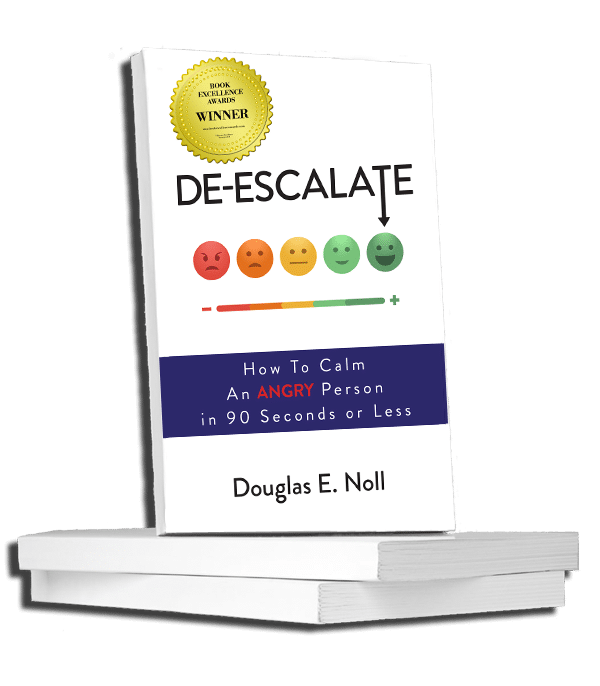
Emotional conflicts fracture teams and families. The ongoing tension breeds burnout, damages relationships, and hurts performance. The Noll Method’s 90-Second Power Move™ is a proven, neuroscience-based skill for restoring calm, tested from boardrooms to maximum-security prisons. Master this life-changing technique to transform chaos into collaboration. Book a no-obligation zoom call with Doug Noll today!
Understanding Emotional Labeling in Divorce Context
Emotional labeling is the intentional, neutral acknowledgment of a feeling as it arises. It avoids judgment, interpretation, or advice. A coach might observe a clenched jaw and tight voice and reflect: “It sounds like this proposal stirs up a great deal of fear about the future.” The phrasing matters enormously simple, factual, non-blaming language creates safety rather than defensiveness.
The method borrows from crisis negotiation tactics developed by the FBI and from Daniel Goleman’s work on emotional intelligence. When a person’s emotional state is accurately named, the amygdala the brain’s alarm center begins to quiet. Heart rate slows. The prefrontal cortex regains some control. For clients drowning in resentment or panic, that momentary physiological shift can be the difference between derailing a mediation and actually moving forward.
Why High-Conflict Cases Demand a Different Approach
High-conflict divorces are distinguished not merely by disagreement but by chronic escalation. Fear of loss of children, financial security, identity fuels relentless litigation. Traditional legal representation excels at protecting rights but often struggles to interrupt the retaliatory spiral. Therapy can unearth root causes yet may take months or years to produce behavioral change in the courtroom.
Divorce coaches fill this gap by concentrating on real-time communication competence. They teach clients to interrupt their own emotional hijacking before it becomes permanent courtroom strategy. One small intervention pausing to name “I’m feeling completely overwhelmed right now” can prevent the next volley of hostile filings. Over time these micro-shifts accumulate into dramatically shorter, less expensive, and less traumatic proceedings.
Practical Application in Coaching Sessions
Coaching sessions frequently begin with the client recounting the latest outrage: a text, an email, a court document. Instead of immediately analyzing legal implications, the coach asks, “What is the strongest feeling that text brings up for you?” Clients often start with broad labels “anger” then, with gentle prompting, arrive at sharper ones: “It’s humiliation mixed with dread that I’ll lose the house I renovated for the kids.”
Precision creates psychological distance. Once named, the emotion loses some of its automatic grip. Coaches next guide clients through crafting responses that mirror the same skill: “It seems you’re concerned the current plan doesn’t protect the children’s stability.” When delivered calmly, such statements frequently halt escalation. The other party feels heard rather than attacked, opening a narrow window for negotiation.
Many coaches now incorporate email coaching as standard practice. Clients learn to anticipate the recipient’s probable emotional state, label it preemptively in their draft, then clearly state their own position. The technique reduces the ping-pong of inflammatory messages that once defined these cases.
Protecting Children Through Parental Modeling
The stakes rise sharply when minor children are involved. Research consistently shows that ongoing parental conflict not the divorce itself predicts poorer outcomes for kids: anxiety, academic struggles, trust issues in future relationships. Emotional labeling offers parents a concrete way to break that cycle.
A father who has practiced with his coach can look at his upset daughter and say, “I can tell the back-and-forth between Mommy and me is really confusing and scary for you.” That single sentence validates the child’s experience without disparaging the other parent. Over repeated interactions, children learn that big feelings can be named and survived rather than acted out or suppressed. Families using these skills report noticeably fewer behavioral problems during transitions and far less need for court intervention to enforce parenting plans.
Addressing Resistance and Setting Realistic Goals
Emotional labeling is potent, yet far from universal. Some individuals view any acknowledgment of feelings as capitulation. Others are so dysregulated that they cannot tolerate reflection. Coaches prepare clients for these scenarios by prioritizing self-regulation first: learning to name and manage one’s own emotions before attempting to influence anyone else’s.
Timing is critical. In the acute phase immediately after separation, raw grief or rage may make sophisticated labeling impossible. Experienced coaches begin with basic self-awareness exercises breathing, grounding, simple feeling-word lists before progressing to interactive scripts. Expectations remain measured: the goal is incremental de-escalation, not instant harmony.
Long-Term Benefits That Outlast the Decree
Clients frequently discover that skills honed under the pressure of divorce become valuable in entirely unrelated arenas. A woman who once exploded at work criticism now pauses, labels her rising defensiveness, and responds thoughtfully. A man who used to shut down during conflict learns to express hurt without accusation. The divorce becomes however unwillingly a master class in emotional literacy.
Coaches often assign ongoing practices: nightly three-emotion check-ins, weekly reflection on triggers, or monthly review of progress. Clients who maintain the discipline report lower baseline stress, stronger boundaries, and healthier intimate and professional relationships long after the final hearing.
Integrating Coaching with the Broader Professional Team
Effective divorce resolution almost always requires multiple experts. Attorneys safeguard legal interests. Mediators facilitate structured settlement discussions. Therapists address deeper trauma or mental-health concerns. Divorce coaches enhance all of these roles by delivering clients who arrive better able to listen, articulate needs clearly, and tolerate frustration without derailing the process.
The most productive collaborations occur when boundaries are respected: coaches focus exclusively on present-tense communication and behavioral tools, deferring diagnostic or prescriptive work to licensed clinicians and leaving legal interpretation to bar-admitted counsel. When the team functions in concert, outcomes improve across every metric cost, duration, post-decree compliance, and family well-being.
Toward Resolution Rooted in Humanity
High-conflict divorce will likely never be painless. Deep wounds, legitimate fears, and irreconcilable differences guarantee turbulence. Yet the steady rise of emotional labeling within the coaching profession demonstrates that even entrenched hostility can be moderated when people feel accurately seen and heard.
The technique does far more than expedite paperwork or trim attorney fees. It reintroduces basic human recognition into a process that too often strips it away. It teaches parents and by extension their children that intense conflict need not obliterate connection or dignity. Most importantly, it offers evidence that naming what we feel, however painful, remains one of the most reliable paths from chaos toward something resembling peace.
Frequently Asked Questions
What is emotional labeling and how do divorce coaches use it in high-conflict divorces?
Emotional labeling is the intentional, neutral acknowledgment of a feeling as it arises using simple, non-blaming language like “It sounds like this proposal stirs up a great deal of fear about the future.” Divorce coaches apply this technique during sessions and mediation to help clients identify and name their emotions with precision, which reduces the brain’s stress response and creates space for rational decision-making. Borrowed from FBI crisis negotiation tactics and emotional intelligence research, it helps clients interrupt emotional hijacking before it escalates into costly courtroom conflict.
How does emotional labeling in divorce coaching protect children during high-conflict custody disputes?
Research shows that ongoing parental conflict not divorce itself is what leads to poorer outcomes for children, including anxiety, academic struggles, and trust issues in future relationships. Divorce coaches teach parents to use emotional labeling directly with their kids, such as acknowledging, “I can tell the back-and-forth between Mommy and me is really confusing and scary for you.” This validates the child’s experience without disparaging the other parent, and families who practice these skills report fewer behavioral problems during custody transitions and less need for court intervention.
How does a divorce coach differ from a divorce attorney or therapist in high-conflict cases?
While attorneys protect legal rights and therapists address deeper trauma, divorce coaches focus specifically on real-time communication skills and behavioral tools that help clients navigate conflict more effectively right now. Coaches train clients to de-escalate inflammatory exchanges including email coaching to reduce hostile messaging so they arrive at mediation better prepared to listen and articulate their needs clearly. The most successful divorce outcomes occur when coaches, attorneys, mediators, and therapists work together as a coordinated team, each staying within their professional boundaries.
Disclaimer: The above helpful resources content contains personal opinions and experiences. The information provided is for general knowledge and does not constitute professional advice.
You may also be interested in: The Impact of Specialized De-escalation Skills in Business
Emotional conflicts fracture teams and families. The ongoing tension breeds burnout, damages relationships, and hurts performance. The Noll Method’s 90-Second Power Move™ is a proven, neuroscience-based skill for restoring calm, tested from boardrooms to maximum-security prisons. Master this life-changing technique to transform chaos into collaboration. Book a no-obligation zoom call with Doug Noll today!
Powered by flareAI.co