In the high-stakes arena of corporate negotiations, where millions hang in the balance and egos clash as fiercely as in any crisis, a surprising set of skills has begun crossing over from the world’s most extreme conflict zones. Techniques once reserved for hostage negotiators are now quietly reshaping boardroom dynamics. As explored in depth on Negotiation Experts Apply Hostage-Inspired Skills to Corporate Deals, seasoned professionals are discovering that the same methods used to defuse life-or-death standoffs can transform tense executive discussions into collaborative, outcome-driven conversations.
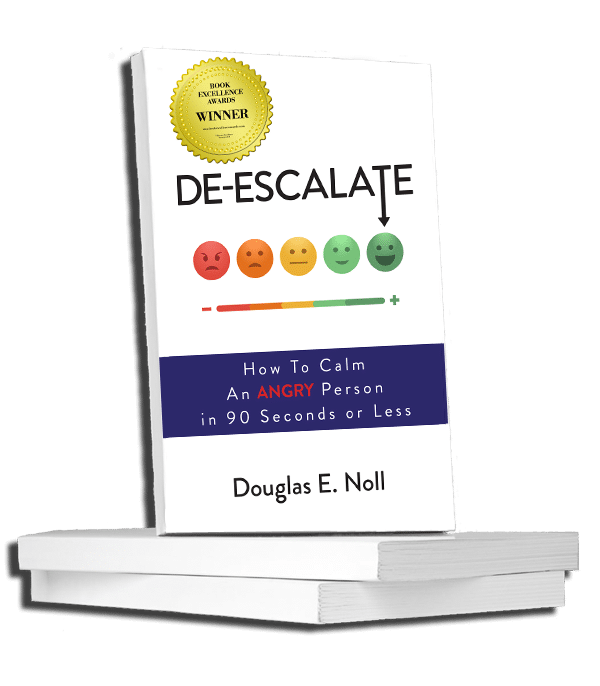
Emotional conflicts fracture teams and families. The ongoing tension breeds burnout, damages relationships, and hurts performance. The Noll Method’s 90-Second Power Move™ is a proven, neuroscience-based skill for restoring calm, tested from boardrooms to maximum-security prisons. Master this life-changing technique to transform chaos into collaboration. Book a no-obligation zoom call with Doug Noll today!
From Prison Yards to Executive Suites
Doug Noll brings an unusual résumé to the negotiation table. With more than four decades of experience, he has trained some of the most volatile individuals imaginable life-sentenced inmates in maximum-security prisons to de-escalate and prevent violence. The results were striking: participants learned to interrupt cycles of rage and retaliation that had defined their environments for years.
Today that same framework the Noll Method moves fluidly into corporate settings. What began as a tool for stopping prison fights now helps executives halt destructive arguments, rescue stalled deals, and rebuild trust when relationships fray under pressure. The core insight is simple yet powerful: emotional escalation follows predictable patterns, whether inside a cellblock or a C-suite conference room.
The Neuroscience Underpinning Rapid De-escalation
Modern brain science helps explain why these techniques produce results so quickly. Growing awareness of mental and neurological health, together with steady advances in understanding emotional regulation, has fueled significant interest in the field. In North America, where advanced healthcare infrastructure supports widespread adoption of cognitive and emotional research, experts note that the ability to influence affective states in real time is becoming recognized as a high-value professional skill.
When someone is flooded with anger or fear, the prefrontal cortex the brain region responsible for reasoning and perspective-taking temporarily goes offline. Hostage-inspired methods bypass that shutdown by speaking directly to the emotional mid-brain rather than trying to reason with a rational mind that is not fully available. The result can be a measurable shift in seconds rather than hours.
Core Techniques That Translate Directly to Business
Several specific practices stand out as particularly transferable:
- Affect labeling Naming the emotion the other person is experiencing (“It sounds like you’re extremely frustrated right now”) reduces amygdala activation and returns executive function within moments.
- Paraphrasing core concerns Reflecting back what really matters to the other side (“What I’m hearing is that reliability and timing are non-negotiable for your team”) demonstrates genuine understanding without necessarily agreeing.
- Calibrated open-ended questions Shifting from confrontational “why” questions to curious “how” or “what” inquiries (“How would you like to see this move forward?”) lowers defensiveness and invites collaboration.
- Strategic silence Allowing space after an emotional statement often prompts the other party to reveal more information voluntarily than any direct question ever could.
These moves are deliberately low-key. They do not require dramatic confrontation or psychological manipulation. Instead, they rely on authentic curiosity and disciplined emotional awareness.
Real-World Corporate Applications
Consider a recent merger discussion that had reached an impasse. One side felt the valuation undervalued years of brand-building; the other believed the numbers were already generous. Tensions rose, voices sharpened, and the room edged toward walk-out.
Instead of pushing harder with data or ultimatums, the lead negotiator paused, labeled the underlying emotion (“I can sense there’s a deep concern here about legacy and recognition”), then remained silent. Within ninety seconds the other executive began explaining the personal pride invested in the company’s history. That disclosure opened a pathway to creative structuring earn-outs tied to brand milestones that satisfied both parties and salvaged the transaction.
Similar patterns appear in partnership disputes, executive-team conflicts, labor negotiations, and even high-pressure sales conversations. The common thread: once emotional flooding subsides, rational problem-solving resumes at a dramatically higher level.
Addressing the Most Common Doubts
Skeptics raise three recurring objections.
First, many believe “these techniques won’t work in the real world of business.” Yet the method has been field-tested in environments far more volatile than any corporate setting. If it consistently stops physical violence among incarcerated individuals with nothing left to lose, its efficacy in professional disagreements where reputation, career, and money remain at stake is demonstrably stronger.
Second, people argue that conflict and arguments are simply part of life and cannot be eliminated. The goal is not to eradicate disagreement; it is to prevent disagreement from spiraling into relationship-destroying hostility. De-escalation preserves the ability to negotiate vigorously while keeping channels open.
Third and perhaps most revealing is fear of mastering one’s own emotions. Many senior leaders quietly admit discomfort with introspection. They worry that acknowledging feelings (their own or others’) signals weakness. In reality, the opposite is true: the executive who can regulate affect under pressure projects calm authority that commands respect and trust.
Why These Skills Are Becoming Essential
As organizations flatten hierarchies, remote teams proliferate, and cross-cultural collaboration intensifies, the capacity to read and respond to emotional undercurrents grows more valuable. Leaders who rely solely on logic and data increasingly find themselves outmaneuvered by counterparts who also master the human dimension of negotiation.
The prison-to-boardroom crossover may seem improbable at first glance, yet the underlying physiology remains identical. Anger is anger, fear is fear, whether expressed behind bars or behind mahogany desks. The professional who learns to interrupt those states early gains a measurable edge not through intimidation, but through clarity and connection.
A Quiet Revolution in How We Negotiate
The most striking aspect of this shift is its subtlety. No one is shouting new mantras or staging theatrical interventions. Instead, a growing circle of executives, attorneys, mediators, and consultants is quietly integrating these de-escalation tools into daily practice. They report shorter meetings, fewer derailed deals, stronger long-term relationships, and perhaps most importantly less personal exhaustion after difficult conversations.
In an era when attention is fragmented and trust is fragile, the ability to bring calm to chaos stands out as a rare and powerful advantage. The methods may have been born in the toughest possible classrooms, but their most promising graduates are now sitting around corporate conference tables, reshaping the future of high-stakes agreement one measured breath at a time.
Frequently Asked Questions
How are hostage negotiation techniques being used in corporate deals?
Negotiation experts are applying crisis de-escalation methods originally developed for life-or-death standoffs to high-stakes business discussions. Techniques like affect labeling, calibrated open-ended questions, and strategic silence help executives defuse emotional tension and steer conversations toward collaborative outcomes. Practitioners like Doug Noll have adapted these tools from maximum-security prison environments to boardrooms, where the underlying emotional dynamics are surprisingly similar.
What is the neuroscience behind rapid de-escalation in negotiations?
When a person experiences intense anger or fear, the prefrontal cortex responsible for rational thinking and perspective-taking temporarily shuts down. Hostage-inspired negotiation techniques bypass this by addressing the emotional mid-brain directly, using methods like naming emotions aloud (affect labeling) to reduce amygdala activation. This neurological approach can produce a measurable shift in a person’s emotional state within seconds, making it highly effective in tense corporate negotiations.
Can hostage negotiation skills really work in professional business settings?
Yes and skeptics are often surprised by how transferable these skills are. If these de-escalation methods can consistently prevent physical violence among maximum-security prison inmates, their effectiveness in professional disagreements where careers and reputations are at stake is arguably even stronger. Executives who learn to manage emotional escalation report shorter meetings, fewer derailed deals, and stronger long-term business relationships.
Disclaimer: The above helpful resources content contains personal opinions and experiences. The information provided is for general knowledge and does not constitute professional advice.
You may also be interested in: The Role of Experience in Teaching Conflict De-escalation
Emotional conflicts fracture teams and families. The ongoing tension breeds burnout, damages relationships, and hurts performance. The Noll Method’s 90-Second Power Move™ is a proven, neuroscience-based skill for restoring calm, tested from boardrooms to maximum-security prisons. Master this life-changing technique to transform chaos into collaboration. Book a no-obligation zoom call with Doug Noll today!
Powered by flareAI.co