Quick Listen:
In boardrooms and break rooms throughout North America, a profound change continues to gain momentum. Organizations that once prioritized technical expertise and strategic frameworks are now making substantial investments in the deeply human capacity to understand and regulate emotions. What was previously dismissed as a peripheral “soft skill” has steadily become a cornerstone of modern corporate leadership development. With workplace tensions on the rise and teams navigating relentless change, forward-looking executives increasingly recognize that emotional mastery is no longer optional it is a prerequisite for long-term organizational health and performance.
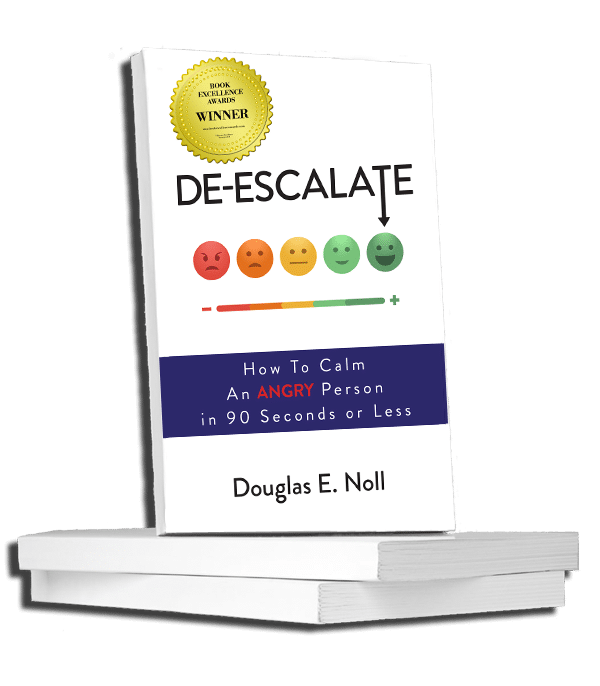
Emotional conflicts fracture teams and families. The ongoing tension breeds burnout, damages relationships, and hurts performance. The Noll Method’s 90-Second Power Move™ is a proven, neuroscience-based skill for restoring calm, tested from boardrooms to maximum-security prisons. Master this life-changing technique to transform chaos into collaboration. Book a no-obligation zoom call with Doug Noll today!
The Growing Imperative for Emotionally Intelligent Leadership
Today’s workplaces are shaped by hybrid arrangements, widening generational gaps, cultural diversity, and unrelenting performance expectations. These forces often intensify misunderstandings, erode trust, and fuel avoidable conflict. Companies that thrive in this environment are those whose leaders can read emotional undercurrents, respond thoughtfully rather than reactively, and turn potential friction into constructive dialogue.
Corporate interest in these capabilities is not speculative. The broader field of conflict resolution which shares deep roots with emotional intelligence continues to expand steadily, propelled by persistent workplace disputes and a clear shift toward collaborative, non-adversarial methods such as mediation, coaching, and negotiation. Industry observers note that organizations are turning to these approaches precisely because they deliver faster, more sustainable outcomes than traditional escalation paths.
Why Emotional Intelligence Has Become a Strategic Priority
Emotional intelligence enables leaders to identify their own internal states and accurately perceive the feelings of others. That dual awareness translates directly into calmer judgment during high-pressure moments, clearer and more persuasive communication, and the timely de-escalation of brewing disagreements. Leaders who consistently demonstrate these abilities cultivate workplaces where people feel genuinely respected, psychologically safe, and motivated to contribute their best thinking.
The payoff shows up in concrete business metrics: higher employee retention, stronger collaboration across functions, faster innovation cycles, and fewer destructive conflicts that drain time and energy. In industries ranging from healthcare systems and public education to professional services and technology, senior teams are embedding emotional intelligence competencies into succession planning and executive coaching programs because they produce measurable competitive advantage.
What Distinguishes World-Class Emotional Intelligence Training
Quality varies widely across the emotional intelligence training landscape. Many programs remain theoretical or rely on generic frameworks. Exceptional offerings, however, are built on decades of hands-on experience in the most challenging conflict environments imaginable including settings where failure to de-escalate can have life-altering consequences.
One approach stands apart because of its origins and results. Developed through more than forty years of frontline practice, including the successful training of individuals in maximum-security correctional facilities to prevent prison violence, these methods have been rigorously adapted for corporate and professional audiences. Participants receive practical, immediately applicable techniques backed by a straightforward promise: you will acquire the ability to stop arguments and fights before they spiral out of control.
Overcoming the Most Common Objections
Skepticism persists in some quarters. “Conflict is simply part of human nature why pretend we can eliminate it?” others ask. “I’m not convinced these skills will hold up in our high-speed, results-driven culture.” A more vulnerable concern surfaces less often but matters deeply: “I’m uncomfortable facing and mastering my own emotions.”
Experience repeatedly demonstrates that these doubts fade quickly once leaders experience the training firsthand. The goal is never to eradicate conflict entirely an unrealistic expectation but to change how it is handled. Participants learn to pause, validate emotions without judgment, and use carefully chosen language that lowers defenses and opens pathways to resolution. The outcome is not the absence of disagreement, but the presence of far more productive, less destructive conversations.
Real-World Evidence Across High-Stakes Professions
Professionals operating in emotionally intense fields have been among the earliest and most enthusiastic adopters. Certified divorce coaches, veterinary practice owners, healthcare administrators, K–12 educators, leadership speakers, and niche consultants are actively seeking advanced tools to manage charged interactions more effectively. A review of their websites and public profiles reveals a consistent pattern: individuals who deal daily with heightened emotions are deliberately searching for better ways to stay composed and constructive under pressure.
Participants frequently describe transformative moments calming an irate stakeholder during a difficult conversation, repairing fractured team trust after a major setback, establishing norms that make candid feedback feel safe rather than threatening. These stories are no longer outliers; they represent an emerging norm across the primary North American markets for this kind of professional development.
Concrete First Steps for Leaders Ready to Act
Adopting emotional intelligence training does not demand a complete overhaul of existing leadership development systems. Organizations can begin modestly yet effectively by focusing on a handful of high-leverage skills:
- Accurately identifying personal emotional triggers and those of colleagues in real time
- Employing validation statements that acknowledge feelings without conceding points
- Applying structured de-escalation sequences that interrupt escalating cycles
- Practicing empathy in ways that strengthen authority rather than dilute it
- Establishing and protecting psychological safety so honest dialogue becomes the default
Social platforms such as LinkedIn, Instagram, and YouTube provide accessible windows into these techniques through live demonstrations, participant testimonials, and concise explainers. Leaders who invest even moderate time in deliberate practice commonly report significant improvements in both their professional relationships and their personal sense of composure.
The Long-Term Outlook for Emotion-Driven Leadership
As artificial intelligence steadily assumes responsibility for routine analytical and administrative work, distinctly human capabilities deep empathy, nuanced intuition, relational agility grow more valuable, not less. Companies that systematically develop emotional intelligence are not merely resolving today’s conflicts more efficiently; they are preventing tomorrow’s crises and releasing higher levels of discretionary effort, creativity, and loyalty.
The trajectory is unmistakable. In an age defined by disruption and complexity, the most effective leaders will be those who have learned to govern their inner emotional landscape while skillfully guiding the emotional landscapes of the people around them. The accelerating integration of emotional intelligence into corporate leadership programs is therefore not a fleeting management fad it represents a foundational evolution in how high-performing organizations prepare their people to lead.
Executives and HR leaders interested in exploring these methods in greater depth will find a particularly credible resource in the work of Doug Noll. His extensive experience and neuroscience-informed approach are presented in detail at dougnoll.com, offering practical pathways to meaningful, lasting change in leadership effectiveness.
Frequently Asked Questions
Why is emotional intelligence training becoming a priority in corporate leadership programs?
Organizations are increasingly recognizing that emotional intelligence is essential for navigating today’s complex workplaces, which are shaped by hybrid work, generational diversity, and constant change. Leaders with strong emotional intelligence can read emotional undercurrents, de-escalate conflict, and foster psychologically safe environments. The business case is clear: companies that invest in these skills see higher employee retention, stronger collaboration, and fewer costly workplace conflicts.
What measurable benefits does emotional intelligence training deliver for businesses?
Emotional intelligence training translates into concrete business outcomes, including improved employee retention, faster innovation cycles, and stronger cross-functional collaboration. Leaders who develop these skills are better equipped to handle high-pressure situations calmly and communicate more persuasively. Industries from healthcare and education to technology are embedding emotional intelligence into executive coaching and succession planning because it delivers a measurable competitive advantage.
How does emotional intelligence training help leaders manage workplace conflict more effectively?
Rather than eliminating conflict an unrealistic goal quality emotional intelligence training teaches leaders to change how conflict is handled. Participants learn practical techniques such as using validation statements to acknowledge emotions, applying structured de-escalation sequences, and creating space for candid, productive dialogue. These skills help interrupt escalating cycles before they cause lasting damage to team trust or organizational performance.
Disclaimer: The above helpful resources content contains personal opinions and experiences. The information provided is for general knowledge and does not constitute professional advice.
You may also be interested in: The Impact of Specialized De-escalation Skills in Business
Emotional conflicts fracture teams and families. The ongoing tension breeds burnout, damages relationships, and hurts performance. The Noll Method’s 90-Second Power Move™ is a proven, neuroscience-based skill for restoring calm, tested from boardrooms to maximum-security prisons. Master this life-changing technique to transform chaos into collaboration. Book a no-obligation zoom call with Doug Noll today!
Powered by flareAI.co