Quick Listen:
In today’s fast-evolving work environments, the growing preference for collaborative, understanding-based approaches to conflict is unmistakable. This cultural shift is evident both in the legal realm where alternative dispute resolution continues to gain traction and inside organizations, where leaders are turning to emotional intelligence training as a proactive tool to prevent tensions from escalating into formal disputes.
While the narrower mediation services sector in the United States has remained essentially flat in recent years, broader alternative dispute services have shown steady demand, fueled by the desire for quicker, less confrontational outcomes and the widespread adoption of virtual platforms that remove geographic barriers to resolution. The same logic applies inside companies: many teams are learning that building emotional awareness and regulation skills can dramatically reduce everyday friction before it requires outside intervention.
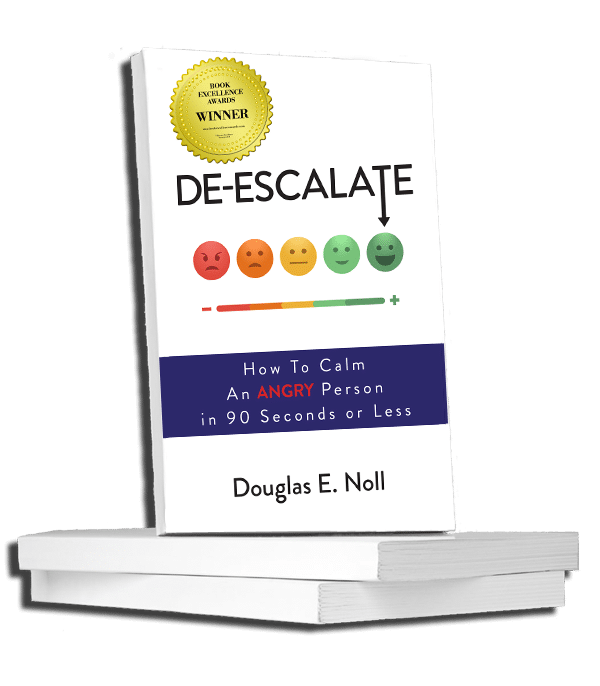
Emotional conflicts fracture teams and families. The ongoing tension breeds burnout, damages relationships, and hurts performance. The Noll Method’s 90-Second Power Move™ is a proven, neuroscience-based skill for restoring calm, tested from boardrooms to maximum-security prisons. Master this life-changing technique to transform chaos into collaboration. Book a no-obligation zoom call with Doug Noll today!
Why Tensions Persist in Modern Teams
Contemporary workplaces are pressure cookers by design. Cross-functional collaboration, ambitious deadlines, remote and hybrid arrangements, generational differences, and cultural diversity all coexist within the same teams. In that environment even small triggers misread tone in a message, unclear expectations, competing priorities can rapidly erode psychological safety and trust.
Conventional responses such as updated policies, performance reviews, or occasional mediation tend to address problems after damage has already occurred. Emotional intelligence training reverses that sequence. It gives individuals and teams the ability to notice emotional currents early, manage their own reactions, and respond in ways that preserve relationships rather than fracture them.
The Four Pillars of Emotional Intelligence
Daniel Goleman’s widely accepted framework identifies four core domains that together form emotional intelligence:
- Self-awareness accurately recognizing one’s own emotions, strengths, limitations, and their impact on others.
- Self-regulation managing disruptive impulses, adapting to change, and maintaining composure under stress.
- Social awareness sensing other’s emotions, understanding their perspectives, and showing genuine empathy.
- Relationship management inspiring, influencing, developing others, managing conflict constructively, and fostering teamwork.
When any of these capacities is underdeveloped, routine workplace interactions become minefields. A neutral comment is interpreted as sarcasm; constructive feedback feels like a personal attack; silence is read as disapproval. Teams that strengthen these skills learn to interrupt those destructive cycles early and redirect energy toward mutual understanding.
How Emotional Intelligence Training Lowers Conflict
Well-designed EI programs produce measurable shifts in behavior within weeks. Participants practice concrete techniques: pausing before responding, labeling emotions accurately (“I’m feeling frustrated because…”), inquiring about other’s intentions rather than assuming malice, and separating observations from judgments.
Organizations that invest consistently in these capabilities report teams that:
- exchange candid feedback with far less defensiveness
- approach differences as problem-solving opportunities rather than win-lose battles
- experience noticeably lower day-to-day stress because people feel psychologically safe
- rebound quickly after inevitable friction occurs
Two mechanisms drive most of the benefit: stronger empathy that allows people to see situations from multiple angles, and improved emotional regulation that prevents amygdala-driven reactions from hijacking rational discussion. When leaders consistently model these behaviors, the effect compounds across the entire organization.
Real-World Examples of EI in Action
Consider a software development team repeatedly stalled by tension between product managers pushing for rapid delivery and engineers concerned about technical debt. After participating in targeted emotional intelligence workshops, team members began surfacing underlying feelings openly: “I’m anxious about releasing this without another round of testing because last time we had critical bugs.” That candor shifted the conversation from blame to joint problem-solving, ultimately accelerating both velocity and quality.
In another case, a globally distributed marketing group struggled with miscommunications across time zones and cultures. EI training helped participants become more attuned to subtle cues in written communication and more intentional about switching to synchronous video conversations when nuance mattered. The result was fewer escalations to management and noticeably higher engagement scores.
These stories illustrate a broader pattern: groups with elevated collective emotional intelligence enjoy smoother collaboration, fewer toxic conflicts, reduced burnout, improved retention, and a workplace culture that converts diversity of thought into competitive advantage rather than division.
Designing Effective Emotional Intelligence Programs
One-off seminars rarely create lasting change. High-impact initiatives usually include:
- scenario-based learning drawn from the organization’s actual challenges
- deliberate practice through role-plays, 360-degree feedback, and coaching
- visible commitment from senior leaders who reinforce the behaviors in everyday interactions
- clear linkage to business outcomes so participants understand the practical payoff
When emotional intelligence development is framed as essential to achieving strategic priorities whether faster innovation, higher client satisfaction, or lower turnover adoption and retention of the skills increase dramatically.
Responding to Common Doubts
Skeptics sometimes argue that “soft skills” training diverts attention from hard results. Experience shows the reverse: unaddressed emotional undercurrents create expensive downstream problems disengagement, presenteeism, attrition, even litigation. Others question whether adults can genuinely improve emotional intelligence. Decades of research and thousands of organizational programs demonstrate that targeted, sustained practice reliably strengthens these competencies across industries and job levels.
A frequent question in high-stakes environments is whether emotional awareness slows decision-making. On the contrary, teams that can quickly name and regulate emotions usually reach clearer, more durable decisions because they avoid the tunnel vision and reactive escalation that accompany unchecked frustration or fear.
Toward Emotionally Intelligent Organizations
As hybrid work, global teams, and rapid change become permanent features of organizational life, the capacity to navigate human emotions intelligently will only grow more critical. Companies that treat emotional intelligence as a foundational leadership and team competency rather than an optional add-on are far better equipped to convert inevitable tension into creative progress instead of costly dysfunction.
The expanding appetite for constructive dispute resolution outside the courtroom carries an important parallel for the modern workplace. When teams develop the skill to handle feelings with precision and respect, disagreements stop being destructive forces and start functioning as catalysts for better ideas, stronger relationships, and higher performance.
Reducing team tensions does not mean erasing conflict; it means transforming conflict into a productive ingredient rather than a destructive one. Purposeful emotional intelligence training remains one of the most reliable, evidence-supported ways to achieve that transformation.
Frequently Asked Questions
How does emotional intelligence training help reduce conflict in the workplace?
Emotional intelligence (EI) training equips employees with practical skills like pausing before reacting, accurately labeling emotions, and separating observations from judgments. These techniques help teams catch tensions early before they escalate into formal disputes. Organizations that invest in EI consistently report lower day-to-day stress, more candid feedback exchanges, and faster recovery after friction occurs.
What are the four pillars of emotional intelligence in the workplace?
According to Daniel Goleman’s widely accepted framework, the four core domains of emotional intelligence are: self-awareness (recognizing your own emotions and their impact), self-regulation (managing impulses and staying composed under stress), social awareness (empathizing with others and reading the room), and relationship management (resolving conflict constructively and inspiring teamwork). When any of these areas is underdeveloped, even routine workplace interactions can become sources of misunderstanding and tension.
Can adults actually improve their emotional intelligence through training programs?
Yes decades of research and thousands of organizational programs show that emotional intelligence is a learnable skill set, not a fixed trait. High-impact EI programs go beyond one-off seminars by incorporating scenario-based learning, role-play practice, 360-degree feedback, and coaching tied to real business challenges. When senior leaders visibly model these behaviors and training is linked to strategic outcomes, skill adoption and retention increase significantly.
Disclaimer: The above helpful resources content contains personal opinions and experiences. The information provided is for general knowledge and does not constitute professional advice.
You may also be interested in: Why Conflict Resolution Training Works Despite Skepticism
Emotional conflicts fracture teams and families. The ongoing tension breeds burnout, damages relationships, and hurts performance. The Noll Method’s 90-Second Power Move™ is a proven, neuroscience-based skill for restoring calm, tested from boardrooms to maximum-security prisons. Master this life-changing technique to transform chaos into collaboration. Book a no-obligation zoom call with Doug Noll today!
Powered by flareAI.co