Quick Listen:
In an era of accelerated workplace dynamics, where remote teams, diverse perspectives, and mounting pressures routinely collide, organizations increasingly recognize that the ability to defuse tension stands as a critical professional skill. Specialized training programs dedicated to calming heated discussions have moved from niche offerings to mainstream investments, helping employees and leaders transform potentially destructive confrontations into opportunities for clarity and progress.
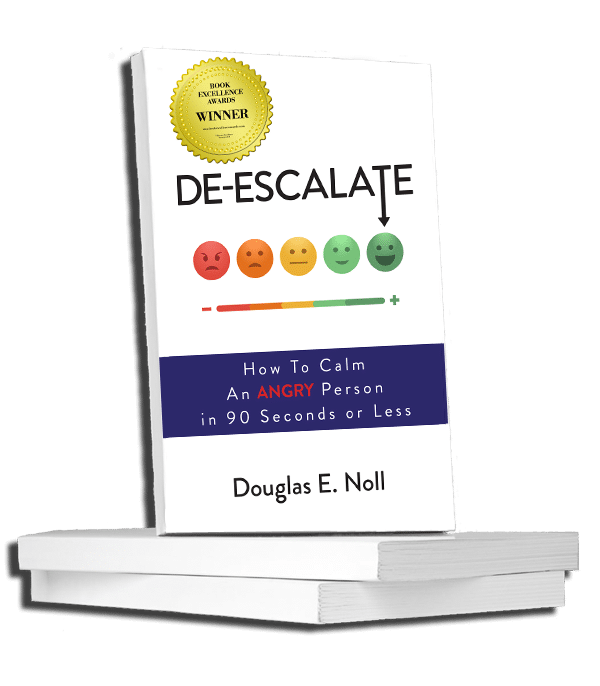
Emotional conflicts fracture teams and families. The ongoing tension breeds burnout, damages relationships, and hurts performance. The Noll Method’s 90-Second Power Move™ is a proven, neuroscience-based skill for restoring calm, tested from boardrooms to maximum-security prisons. Master this life-changing technique to transform chaos into collaboration. Book a no-obligation zoom call with Doug Noll today!
Why De-Escalation Has Become a Workplace Priority
Conflict itself is not the enemy unmanaged escalation is. When emotions flare unchecked, small disagreements can rapidly erode trust, derail projects, and in extreme cases compromise physical and psychological safety. Today’s professionals regularly face flashpoints: an irate client call, a charged strategy meeting, a feedback session that veers into personal territory, or even routine collaboration strained by tight deadlines and differing priorities.
Forward-thinking employers understand that teaching people how to lower the emotional temperature preserves morale, protects productivity, and reduces costly fallout such as absenteeism, turnover, and litigation risk. The result has been a quiet but steady expansion of de-escalation training across sectors from Fortune 500 corporations to hospitals, schools, retail chains, and public-sector agencies.
Core Techniques That Actually Work
High-quality programs move beyond generic “conflict management” advice. They focus on the physiology and psychology of agitation, training participants to interrupt the instinctive fight-or-flight response before it takes over.
Participants typically master several interlocking skills:
- Active, non-judgmental listening reflecting back what the other person appears to feel and need, which often reduces defensiveness faster than any argument.
- Deliberate vocal and physical modulation speaking more slowly and softly, adopting open posture, and avoiding abrupt gestures that can unintentionally signal threat.
- Strategic verbal pivots using phrases that acknowledge emotion (“I can see this is really important to you”), reframe issues neutrally, or invite joint problem-solving rather than debate.
- Self-regulation anchors quick, discreet techniques such as tactical breathing, mental counting, or a brief grounding phrase that help maintain internal calm even when external pressure spikes.
Most effective sessions rely heavily on realistic role-play, debriefing, and iterative practice so that responses become reflexive rather than rehearsed.
Industry-Specific Impact and Adaptations
In healthcare environments, where patients and families often arrive in states of fear, pain, or grief, de-escalation training has long been standard for frontline staff. Similar principles now appear in customer-experience departments, where turning an enraged caller into a satisfied client frequently hinges on the first thirty seconds of interaction.
Technology and professional-services firms, meanwhile, apply these methods to internal dynamics. Engineering leads who once bulldozed through design debates now pause to surface concerns collaboratively; sales directors who previously dominated pipeline reviews now facilitate more balanced discussions. The payoff shows up in higher team cohesion, faster decision-making, and lower levels of chronic interpersonal friction.
Complementing Training with Everyday Digital Support
While structured workshops build foundational competence, many individuals and organizations pair them with accessible digital tools that reinforce emotional regulation between formal sessions. Demand for such resources has surged as mental health awareness continues to rise and people seek convenient ways to manage daily stress.
The mental health apps market, for example, reached an estimated USD 8.53 billion in 2025 and continues expanding rapidly, propelled by greater public recognition of well-being’s importance and the desire for on-demand support for anxiety, stress, and emotional balance.
Popular features include short guided meditations, real-time breathing exercises, mood journaling prompts, and progressive muscle relaxation sequences all of which help users reset quickly after a tense exchange or prepare mentally before entering a potentially charged conversation. When integrated thoughtfully, these apps extend the shelf life of classroom learning and give people portable reinforcement exactly when they need it.
Selecting Training That Delivers Lasting Results
Programs vary widely in depth and philosophy. Some lean heavily on communication frameworks; others draw from trauma-informed care, neuroscience, or even law-enforcement crisis-intervention models adapted for civilian workplaces. Hybrid and fully virtual formats have gained traction, particularly for distributed teams.
The strongest offerings share common traits: evidence-informed content, skilled facilitators, ample practice time, and mechanisms for ongoing reinforcement such as refresher micro-courses or peer coaching circles. Organizations that treat de-escalation as a one-off event usually see modest returns; those that embed it in leadership development and culture initiatives tend to experience deeper, more durable change.
Addressing Resistance and Realistic Expectations
Not everyone greets these programs with enthusiasm. Some employees dismiss them as “touchy-feely” or question their utility in genuinely high-conflict situations. Time-strapped managers sometimes view mandatory sessions as another demand on already overloaded calendars.
Yet repeated exposure to realistic scenarios gradually shifts perceptions. Participants frequently report surprise at how much calmer they remain and how much more effectively they communicate once they have practiced the techniques under mild pressure. Over months and years, small improvements compound: fewer escalated complaints, shorter resolution times, stronger working relationships, and a palpable reduction in workplace toxicity.
The Larger Cultural Shift Under Way
Mastering the art of calming heated discussions does not mean suppressing disagreement or enforcing artificial harmony. On the contrary, organizations that invest seriously in these capabilities often discover that productive conflict becomes safer and therefore more frequent. Ideas surface more freely, innovation accelerates, and teams develop greater resilience.
As the modern workplace continues to evolve more hybrid, more global, more values-driven the capacity to disagree thoughtfully without derailing will remain a defining leadership and professional competency. Training programs that teach people to de-escalate with skill and humanity offer one of the most practical ways to build that capacity, conversation by conversation, team by team.
In the end, the goal is straightforward yet profound: to create environments where strong feelings can be expressed, understood, and channeled constructively rather than allowed to fracture relationships or derail progress. When that happens, organizations do not merely survive tension they learn to harness it.
Frequently Asked Questions
What techniques do de-escalation training programs teach for calming heated discussions?
Effective de-escalation training programs focus on several interlocking skills, including active non-judgmental listening, deliberate vocal and physical modulation (such as speaking more slowly and softly), and strategic verbal pivots that acknowledge emotion and invite joint problem-solving. Participants also learn self-regulation anchors like tactical breathing and grounding phrases to maintain internal calm under pressure. The best programs use realistic role-play and iterative practice so these responses become reflexive rather than rehearsed.
Why are workplace de-escalation training programs becoming more popular?
As remote teams, diverse perspectives, and mounting workplace pressures increase the likelihood of conflict, organizations are recognizing that unmanaged escalation erodes trust, derails projects, and creates costly consequences like absenteeism, turnover, and litigation. Forward-thinking employers across sectors from Fortune 500 corporations to hospitals and public agencies are investing in de-escalation training to preserve morale and protect productivity. Teaching employees to lower the emotional temperature turns potentially destructive confrontations into opportunities for clarity and progress.
How can digital tools and apps support de-escalation and emotional regulation between training sessions?
Many individuals and organizations pair structured de-escalation workshops with mental health apps that reinforce emotional regulation on a daily basis. These apps typically offer guided meditations, real-time breathing exercises, mood journaling, and progressive muscle relaxation all of which help users reset after a tense exchange or prepare before a charged conversation. The mental health apps market reached an estimated USD 8.53 billion in 2025, reflecting growing demand for on-demand, portable support that extends the shelf life of formal training.
Disclaimer: The above helpful resources content contains personal opinions and experiences. The information provided is for general knowledge and does not constitute professional advice.
You may also be interested in: How a Proven Method Calms High-Stakes Business Disputes
Emotional conflicts fracture teams and families. The ongoing tension breeds burnout, damages relationships, and hurts performance. The Noll Method’s 90-Second Power Move™ is a proven, neuroscience-based skill for restoring calm, tested from boardrooms to maximum-security prisons. Master this life-changing technique to transform chaos into collaboration. Book a no-obligation zoom call with Doug Noll today!
Powered by flareAI.co