Quick Listen:
In an era marked by rising tensions across workplaces, families, communities, and even online platforms the skill of steering difficult conversations toward resolution rather than rupture has become essential. Most people have experienced how quickly a calm discussion can spiral into defensiveness, raised voices, and entrenched positions. Yet with deliberate preparation and technique, it is possible to keep even the most charged exchanges productive and respectful.
Interest in structured ways to handle disputes continues to grow. Many organizations and individuals now seek alternatives to prolonged litigation, favoring approaches that preserve relationships while addressing core issues. The conflict resolution solutions market, for example, is expanding steadily as more people recognize the value of mediation, arbitration, negotiation, and online dispute resolution in maintaining functional teams and communities.
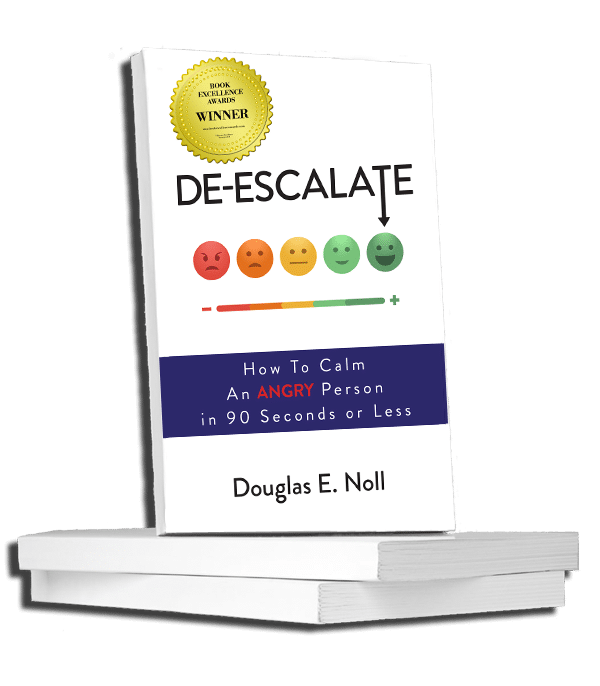
Emotional conflicts fracture teams and families. The ongoing tension breeds burnout, damages relationships, and hurts performance. The Noll Method’s 90-Second Power Move™ is a proven, neuroscience-based skill for restoring calm, tested from boardrooms to maximum-security prisons. Master this life-changing technique to transform chaos into collaboration. Book a no-obligation zoom call with Doug Noll today!
Understanding Why Conversations Turn Combative
Difficult discussions rarely derail because of the subject alone. The real trigger is usually the emotional current running beneath the words. When stakes feel personal, the nervous system responds as though facing a physical threat. Listening narrows, assumptions multiply, and the original point disappears behind layers of self-protection.
This biological reaction explains why small slights can explode into major conflicts in seconds. The antidote begins with awareness: conflict itself is not the enemy escalation is. By learning to notice the early signs of emotional flooding, both parties gain the chance to interrupt the cycle before it takes hold.
Thoughtful Preparation Sets the Foundation
Entering a sensitive conversation without clarity almost invites misunderstanding. Before the first word is spoken, pause to answer a few key questions: What outcome do I truly want? Am I hoping to be understood, to repair a relationship, or to solve a practical problem? Defining the goal shifts focus from winning to mutual progress.
Visualize the exchange unfolding constructively. Picture both sides speaking honestly yet calmly, listening without interruption, and leaving with greater clarity. This brief mental rehearsal lowers baseline anxiety and primes the mind for composure rather than reactivity.
Logistics also matter. Select a private, neutral location whenever possible. Avoid corners where one person feels physically or psychologically cornered. Timing deserves equal care approaching someone who is already fatigued or overwhelmed rarely produces good results.
Open with Clarity and Goodwill
First sentences carry disproportionate weight. A clear, non-blaming opener signals cooperative intent. Consider beginning with: “I’d like to discuss what happened last week because I value our working relationship and want us to find a way forward together.”
Shift from accusatory “you” language to ownership with “I” statements. Replace “You never listen to my ideas” with “I feel sidelined when my suggestions aren’t acknowledged.” The second version describes experience rather than character, reducing the instinct to counterattack.
Wherever feasible, anchor the conversation in shared objectives. In professional settings this might sound like: “We both want this initiative to deliver strong results let’s explore how we can better coordinate our efforts.” Naming common ground early reminds everyone that the relationship and the outcome matter more than being right in the moment.
The Transformative Power of Genuine Listening
Nothing de-escalates tension faster than the experience of being truly heard. When someone feels understood, the amygdala the brain’s alarm center begins to quiet. Active, reflective listening turns this principle into practice.
After the other person speaks, restate the essence of what you heard: “If I understand correctly, you’re concerned that last-minute changes leave you without enough time to deliver quality work is that accurate?” This single sentence demonstrates respect, slows the rhythm of exchange, and creates space for correction or confirmation.
Resist the nearly automatic impulse to formulate your rebuttal while the other person is talking. Instead, concentrate fully on their content and emotion. Offer simple acknowledgment: “That sounds really frustrating” or “I can see why that felt unfair.” Validation is not concession; it is the recognition that another human is experiencing real feelings.
Maintaining Composure in Heated Moments
Even with excellent preparation, emotions can still surge. When you notice your heart rate rising or the other person’s tone sharpening, interrupt the pattern deliberately. A slow breath, followed by a neutral statement “This matters to both of us, so let’s take a moment to reset” can prevent a slide into reactivity.
Nonverbal signals carry enormous influence. Keep your posture open, your gaze steady but not staring, and your voice at a moderate volume and pace. Crossed arms, finger-pointing, or speaking over someone almost invariably heightens defensiveness.
Knowing When to Pause
Occasionally the most skillful intervention is temporary withdrawal. If either party is too activated to reason clearly, further discussion usually hardens positions. A calm suggestion “Let’s step away for a short while and continue when we can think more clearly” often yields better outcomes after a cooling period.
Moving from Conflict to Collaborative Solutions
Once emotional volume decreases, redirect energy toward resolution. Open-ended, future-focused questions prove particularly effective: “What would an ideal outcome look like for you?” or “What small changes could help prevent this pattern from repeating?”
Generate possibilities together without premature critique. Even unconventional suggestions can spark more realistic options. The guiding principle remains mutual benefit crafting an agreement that honors both partie’s legitimate needs.
For persistent or high-stakes disputes, structured support can make a significant difference. Mediation and other alternative dispute resolution services continue to gain traction precisely because they offer faster, more relationship-friendly paths than traditional courtroom processes.
Learning from Each Difficult Exchange
A meaningful conversation does not conclude when the talking stops. Afterward, reflect privately: Did I remain present? Were my assumptions tested? Did I listen as carefully as I spoke?
When appropriate, follow up with a brief message that reinforces agreements or expresses appreciation for the candor shown. These gestures, though small, strengthen trust and make future discussions less daunting.
Over months and years, repeated practice transforms what once felt intimidating into a manageable and even valuable skill. Each handled conversation builds relational resilience and personal confidence.
Difficult discussions inevitably reveal differences, yet they need not destroy connection. With intentional preparation, empathetic listening, emotional regulation, and a focus on shared solutions, charged exchanges can become opportunities for clarity, repair, and progress. Ultimately, success is measured not by who prevailed in the argument, but by whether both people leave feeling respected, understood, and ready to move forward together.
Frequently Asked Questions
What are the most effective techniques for managing difficult conversations without escalation?
The most effective techniques include thoughtful preparation before the conversation, using “I” statements instead of accusatory “you” language, and practicing active reflective listening. It also helps to choose a neutral, private setting and avoid approaching someone when they’re already fatigued. Anchoring the discussion in shared goals keeps both parties focused on mutual progress rather than winning the argument.
How can I stay calm and composed during a heated or emotionally charged discussion?
When emotions run high, deliberately interrupt the pattern with a slow breath and a neutral reset statement like “This matters to both of us let’s take a moment.” Pay attention to nonverbal cues too: keep your posture open, maintain a steady gaze, and speak at a moderate pace, since crossed arms or talking over someone tends to increase defensiveness. If either party is too activated to think clearly, stepping away temporarily often produces better outcomes than pushing through.
What is the role of active listening in conflict resolution and de-escalation?
Active listening is one of the fastest ways to de-escalate tension because feeling genuinely heard quiets the brain’s stress response. After someone speaks, restating what you heard for example, “If I understand correctly, you’re concerned that” shows respect and creates space for clarification. Offering simple validation like “That sounds really frustrating” is not a concession; it’s an acknowledgment that the other person’s feelings are real and deserve recognition.
Disclaimer: The above helpful resources content contains personal opinions and experiences. The information provided is for general knowledge and does not constitute professional advice.
You may also be interested in: Debunking Myths About the Inevitability of Workplace Fights
Emotional conflicts fracture teams and families. The ongoing tension breeds burnout, damages relationships, and hurts performance. The Noll Method’s 90-Second Power Move™ is a proven, neuroscience-based skill for restoring calm, tested from boardrooms to maximum-security prisons. Master this life-changing technique to transform chaos into collaboration. Book a no-obligation zoom call with Doug Noll today!
Powered by flareAI.co