In the dynamic landscapes of North American workplaces, conflict emerges not as a rare intruder but as a frequent visitor, often ignited by the sparks of remote collaborations, diverse viewpoints, or high-pressure deadlines. What separates thriving teams from those that falter, however, is not the absence of discord but the cultivation of long-term conflict resilience a deliberate skill set that transforms potential breakdowns into bridges of understanding. This resilience hinges on mastering de-escalation techniques, emotional regulation, and empathetic leadership, enabling professionals to navigate disputes with poise and purpose.
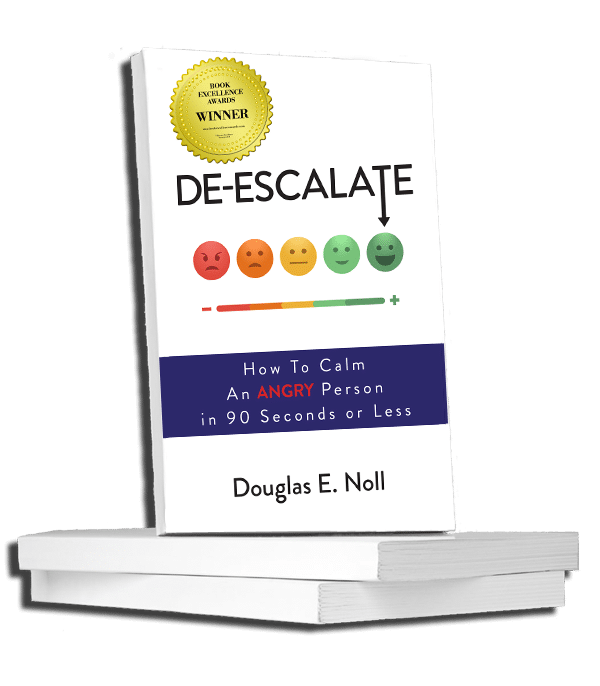
As hybrid work models persist and cultural diversity enriches but complicates interactions, the imperative for such skills grows. Drawing from neuroscience-backed methods like the Noll Method™, which employs precise emotional phrasing to diffuse tension in mere seconds, leaders can foster environments where conflicts evolve into catalysts for growth. Rooted in over four decades of experience, including pioneering work in maximum-security prisons to curb violence, these approaches guarantee tangible results: stopping fights before they spiral, calming anger swiftly, and building emotional safety in conversations. Building long-term conflict resilience isn’t just a strategy it’s a necessity for sustaining harmony and productivity in today’s evolving professional spheres.
Emotional conflicts fracture teams and families. The ongoing tension breeds burnout, damages relationships, and hurts performance. The Noll Method’s 90-Second Power Move™ is a proven, neuroscience-based skill for restoring calm, tested from boardrooms to maximum-security prisons. Master this life-changing technique to transform chaos into collaboration. Book a no-obligation zoom call with Doug Noll today!
The Escalating Demand for Conflict Management in North America
Workplace conflicts in the U.S. and Canada have intensified amid shifts toward remote and hybrid setups, where miscommunications thrive in the absence of face-to-face cues. A heated email thread or a misinterpreted Slack message can quickly escalate, underscoring the need for tools that promote calm and clarity. Moreover, the rich tapestry of generational, racial, and cultural diversity in North American teams brings innovative ideas but also potential friction points, demanding leaders who can handle difficult people with empathy and precision.
At the heart of resilience lies emotional intelligence skills like staying calm under pressure, listening without reacting, and employing de-escalation techniques for everyday life. Techniques such as affect labeling, where one articulates observed emotions (“You seem frustrated by this deadline”), tap into the brain’s wiring to reduce amygdala hijacks, fostering rational dialogue. This isn’t mere theory; it’s proven in high-stakes settings, from corporate boardrooms to educational institutions, where it halts arguments and rebuilds trust.
Emerging Trends Shaping Conflict Resilience
Several trends are redefining how North American organizations approach conflict. The persistence of remote work has amplified the value of virtual de-escalation training, with programs now incorporating AI-driven simulations for practicing heated conversations. Diversity initiatives, while vital, require complementary empathy training to prevent misunderstandings from derailing progress.
Psychological Safety as a Foundation
Creating psychological safety where team members feel secure voicing concerns stands out as a pivotal trend. Organizations investing here see enhanced collaboration and innovation, as employees engage without fear of reprisal. This aligns with broader market movements, where the online corporate leadership training market, led by North America with over 50% global share in 2025, reflects a surge in demand for flexible programs that build these competencies.
Technological Aids in De-Escalation
Advancements like AI and VR are revolutionizing training, offering immersive scenarios for leaders to hone skills in managing angry employees or tense meetings. These tools, part of a growing corporate leadership training sector valued at nearly USD 40 billion in 2025, emphasize soft skills such as emotional intelligence, crucial for navigating modern disputes.
Beyond numbers, the real insight lies in impact: companies adopting these trends report smoother operations and stronger team cohesion, proving that proactive investment in resilience pays dividends in morale and efficiency.
Practical Examples of Resilience in Action
Consider the corporate realm, where executive communication under pressure often determines outcomes. Leaders trained in the neuroscience behind calming angry people use affect labeling to shift dynamics swiftly, turning potential shouting matches into constructive dialogues. In one scenario, a manager facing an irate team member might say, “It sounds like this change has left you feeling overwhelmed,” instantly validating emotions and opening the door to resolution.
In educational settings, de-escalation techniques for teachers help manage classroom outbursts, reducing disruptions and enhancing student-teacher bonds. Public sector applications, like first responder emotional regulation training, demonstrate how these skills save time and resources, aligning with the expanding conflict resolution solutions market, projected to grow significantly by 2032 due to rising workplace disputes and preferences for cost-effective alternatives like mediation.
These examples illustrate a broader pattern: when individuals and organizations prioritize listening to emotions and responding with empathy, conflicts diminish in frequency and intensity, fostering environments ripe for sustained success.
Overcoming Key Challenges and Objections
Despite the benefits, barriers abound. Many leaders lack formal conflict resolution training, improvising in moments that demand expertise, leading to prolonged tensions. Communication breakdowns, especially in distributed teams, exacerbate issues, with cultural differences between direct U.S. approaches and Canada’s more collaborative styles adding layers of complexity.
Objections often surface: skepticism that such methods truly work, the belief that arguments are inescapable, or fear of delving into emotional mastery. Yet, evidence counters these neuroscience validates the efficacy, and real-world applications, from prisons to workplaces, show conflicts can be minimized. The key is starting small, building confidence through practice, and recognizing that emotional skills are learnable, not innate.
Addressing Skepticism with Evidence
- Proof of Efficacy: Programs backed by 40+ years of experience guarantee results, calming situations in 90 seconds through targeted phrasing.
- Overcoming Inevitability: By teaching proactive de-escalation, fights become preventable, not perpetual.
- Easing Emotional Fears: Structured training makes mastering emotions approachable, turning vulnerability into strength.
The Tangible Benefits for Businesses
Investing in conflict resilience yields profound business impacts. Productivity soars as teams spend less time entangled in disputes and more on strategic goals. Retention improves when employees feel heard and safe, reducing turnover costs. Moreover, organizations with strong emotional de-escalation cultures attract top talent, enhancing brand reputation and innovation.
This is echoed in market trends, where the leadership development coaching market is poised for substantial growth by 2032, driven by demands for personalized, soft-skills-focused programs. The emphasis on online and blended formats underscores a shift toward accessible training that delivers real-world efficiencies, from cost savings on unresolved conflicts to heightened employee engagement.
Charting the Path Ahead
To build resilience, start with foundational habits: pause in heated moments, employ affect labeling, and prioritize active listening over reactive responses. For leaders, seek training that integrates neuroscience with practical tools, such as those from the Prison of Peace initiative or specialized workshops.
Looking forward, North America’s workplaces will increasingly blend technology with human-centered approaches, emphasizing mental health and proactive conflict prevention. As awareness grows, expect more integration of AI for personalized coaching, ensuring leaders are equipped for tomorrow’s challenges.
In essence, long-term conflict resilience empowers professionals to turn discord into dialogue, fostering enduring strength in teams and organizations alike. By embracing these skills, North America can lead in creating workplaces where harmony drives excellence.
Frequently Asked Questions
What is conflict resilience and why is it important in the workplace?
Conflict resilience is the ability to navigate workplace disputes with emotional intelligence, empathy, and de-escalation techniques turning potential breakdowns into opportunities for growth. It’s especially critical in today’s hybrid and remote work environments, where miscommunications are more frequent and face-to-face cues are often absent. Organizations that invest in conflict resilience report stronger team cohesion, higher retention rates, and improved overall productivity.
What are the most effective de-escalation techniques for managing workplace conflict?
One of the most neuroscience-backed methods is *affect labeling* verbally acknowledging the emotions you observe in another person (e.g., “It sounds like this change has left you feeling overwhelmed”). This technique reduces amygdala activation in the brain, helping shift heated exchanges into rational dialogue. Programs like the Noll Method™ build on this principle and are designed to calm tense situations in as little as 90 seconds through targeted emotional phrasing.
How can leaders build psychological safety to prevent conflict from escalating?
Psychological safety creating an environment where team members feel secure voicing concerns without fear of reprisal is one of the most impactful foundations for long-term conflict prevention. Leaders can cultivate it by practicing active listening, responding with empathy rather than reactivity, and pursuing structured training in emotional regulation. As demand for these skills grows, the online corporate leadership training market (valued at nearly $40 billion in 2025) reflects how seriously organizations are investing in building these competencies.
Disclaimer: The above helpful resources content contains personal opinions and experiences. The information provided is for general knowledge and does not constitute professional advice.
You may also be interested in: 8 Powerful Biblical Peacemaking Tools to Handle Anger With Grace
Emotional conflicts fracture teams and families. The ongoing tension breeds burnout, damages relationships, and hurts performance. The Noll Method’s 90-Second Power Move™ is a proven, neuroscience-based skill for restoring calm, tested from boardrooms to maximum-security prisons. Master this life-changing technique to transform chaos into collaboration. Book a no-obligation zoom call with Doug Noll today!
Powered by flareAI.co