In boardrooms and break rooms alike, the modern workplace moves fast. Hybrid schedules, constant digital communication, and mounting performance pressure create fertile ground for tension. One poorly handled disagreement can quietly erode morale, drive away talent, and chip away at the bottom line. Yet far too many organizations still view conflict as an unavoidable side effect of doing business rather than a manageable and expensive risk. Forward-thinking leaders are beginning to see things differently: investing in emotional intelligence and practical de-escalation skills delivers concrete financial returns that often repay the cost many times over.
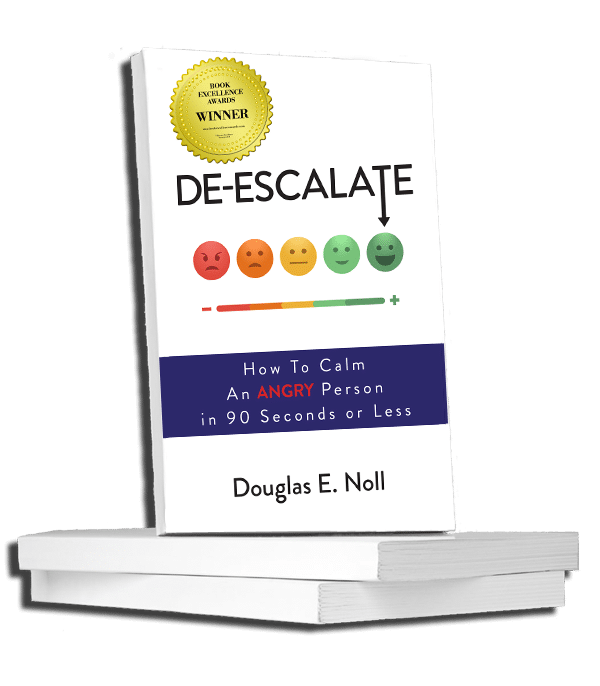
Doug Noll has spent more than forty years proving exactly that. An award-winning mediator, bestselling author, and developer of the Noll Method™, he has taught people from corporate executives to inmates serving life sentences how to transform heated moments into calm, productive exchanges. His neuroscience-based approach can reduce emotional intensity in as little as ninety seconds, offering organizations a reliable way to protect relationships and performance when pressure peaks.
Emotional conflicts fracture teams and families. The ongoing tension breeds burnout, damages relationships, and hurts performance. The Noll Method’s 90-Second Power Move™ is a proven, neuroscience-based skill for restoring calm, tested from boardrooms to maximum-security prisons. Master this life-changing technique to transform chaos into collaboration. Book a no-obligation zoom call with Doug Noll today!
The Real Price of Letting Conflict Fester
Most workplace friction never makes it into an official complaint. It shows up instead as curt replies, checked-out team members, missed deadlines, and the steady departure of people who once brought real value. When leaders shrug off these signs as mere personality differences, they overlook a costly reality: unchecked emotions quietly undermine productivity, collaboration, and retention.
Market signals reflect growing awareness of the problem. A recent industry survey found that 78% of companies now run conflict resolution programs, a clear sign that organizations are moving from reactive damage control to proactive emotional management. The demand for these solutions continues to climb because the alternative ignoring the human side of performance has become too expensive to sustain.
How Emotional Intelligence Training Actually Pays Back
Effective EQ training does not ask people to suppress feelings or become amateur psychologists. It equips them with precise, repeatable tools to interrupt escalation early and keep discussions focused on solutions rather than blame. When that happens consistently, several expensive outcomes improve at once:
- Turnover drops as people feel heard and respected
- HR spends less time mediating escalated disputes
- Teams retain critical knowledge instead of losing it to avoidable exits
- Daily output rises because energy stays on results instead of resentment
Even cautious analyses show returns reaching several hundred percent. Preventing just a handful of destructive blow-ups saves far more in recruiting fees, onboarding time, and lost momentum than most training budgets ever cost. In today’s talent market, that equation is hard to ignore.
The Noll Method™: Precision Over Platitudes
Central to Doug Noll’s work is a technique he calls the “90-Second Power Move™,” built around affect labeling. Rather than urging someone to calm down a suggestion that almost always inflames the situation further the method names the emotion with accuracy and neutrality: “It sounds like you’re feeling really frustrated and maybe a little trapped right now.”
That single sentence does something powerful. By correctly identifying what the other person is experiencing, it activates regulatory circuits in the brain, quiets the amygdala’s alarm system, and moves the exchange from instinctive reaction to thoughtful dialogue. Unlike conventional active listening, which can feel mechanical and surface-level, affect labeling reaches the emotional core without judgment or advice. Brain science confirms the effect is fast and measurable: naming an emotion reliably lowers its intensity within moments.
Noll developed and refined this approach through decades of high-stakes mediation and by training individuals in maximum-security prisons to interrupt cycles of violence. The method carries a straightforward guarantee: when used correctly, you will stop fights and arguments from spiraling.
Proven Across Environments
Executives rely on it to keep boardroom discussions constructive under tight deadlines. Managers use it to de-escalate confrontations with upset team members. Teachers and first responders apply parallel skills to manage sudden outbursts. Because the technique rests on universal patterns in human neurobiology rather than cultural or personality frameworks, it works reliably across industries, hierarchies, and stress levels.
Why Distributed Teams Need These Skills Most
Remote and hybrid work strips away the nonverbal cues that once helped us read each other. Tone gets misread in emails and video calls. Trust frays more quickly. Generational differences stand out in sharper relief. Psychological safety the foundation of honest collaboration and bold thinking becomes harder to maintain.
Leaders who have trained in emotional self-regulation and genuine empathy can close those gaps. They model calm under ambiguity, validate concerns without defensiveness, and keep people connected even when miles apart. When teams experience that level of emotional safety, innovation flows more freely, cooperation strengthens, and voluntary turnover declines. In distributed settings, these are not nice-to-have soft skills; they are essential operating infrastructure.
Meeting the Doubters Where They Are
Skepticism persists in some corners. “Conflict is simply part of human nature,” some executives argue. Others question whether any training can truly move the needle. A few quietly confess a deeper concern: facing and mastering their own emotions feels uncomfortable, even threatening.
Noll’s answer is pragmatic rather than idealistic. His method does not promise to eliminate disagreement; it equips people to keep disagreement useful instead of destructive. The evidence is in the results decades of documented successes, from shattered prison-yard standoffs to board-level impasses resolved without wreckage. When the technique is applied with fidelity, calmer conversations, quicker resolutions, and more durable working relationships follow.
A Strategic Choice, Not a Perk
Organizations that continue to treat emotional volatility as an inevitable tax on performance are choosing a high-cost path. Those that invest in proven de-escalation training are making a deliberate, bottom-line decision. Tools like the Noll Method™ convert moments that once threatened productivity into opportunities to strengthen trust and alignment.
The real question facing leaders today is simple: Will you allow preventable tension to erode your most valuable assets, or will you give your people the skills to handle it swiftly and skillfully? In an unpredictable business landscape, the companies that treat emotional intelligence as serious strategy will not merely weather the next wave of pressure they will emerge from it stronger, more cohesive, and better positioned for what comes next.
Frequently Asked Questions
What is the ROI of investing in workplace conflict resolution training?
Conflict resolution training can deliver returns of several hundred percent, even under cautious estimates. By reducing employee turnover, lowering HR mediation costs, and keeping teams focused on results rather than resentment, organizations recoup training costs many times over. Preventing just a handful of escalated disputes saves significantly more than most training budgets ever cost in recruiting fees, onboarding time, and lost productivity.
How does emotional intelligence training reduce workplace conflict?
Emotional intelligence training equips employees with practical, repeatable de-escalation tools not just theoretical concepts. Techniques like affect labeling (accurately naming another person’s emotion) have been shown to activate the brain’s regulatory circuits and reduce emotional intensity within 90 seconds. When applied consistently, these skills shift conversations from blame and reaction to solution-focused dialogue, improving collaboration and psychological safety across teams.
Why is conflict resolution especially important for remote and hybrid teams?
Remote and hybrid work removes the nonverbal cues that help people read each other, making tone easier to misread and trust harder to build. Without in-person context, tensions can escalate faster and psychological safety the foundation of honest collaboration becomes more fragile. Leaders trained in emotional self-regulation and empathy can bridge these gaps, keeping distributed teams connected, cooperative, and less prone to avoidable turnover.
Disclaimer: The above helpful resources content contains personal opinions and experiences. The information provided is for general knowledge and does not constitute professional advice.
You may also be interested in: De-Escalation Techniques for Healthcare Staff & Patients – Doug Noll
Emotional conflicts fracture teams and families. The ongoing tension breeds burnout, damages relationships, and hurts performance. The Noll Method’s 90-Second Power Move™ is a proven, neuroscience-based skill for restoring calm, tested from boardrooms to maximum-security prisons. Master this life-changing technique to transform chaos into collaboration. Book a no-obligation zoom call with Doug Noll today!
Powered by flareAI.co