In boardrooms, hybrid meetings, and open-plan offices across North America, one poorly handled moment of frustration can quietly undermine weeks of progress. A raised voice, an interrupted sentence, or a dismissive reply leaves people feeling unseen, and over time those small fractures accumulate. The best organizations today understand that the real differentiator isn’t avoiding conflict altogether it’s possessing the precise skills to transform heated moments into opportunities for stronger trust, higher retention, and noticeably better performance.
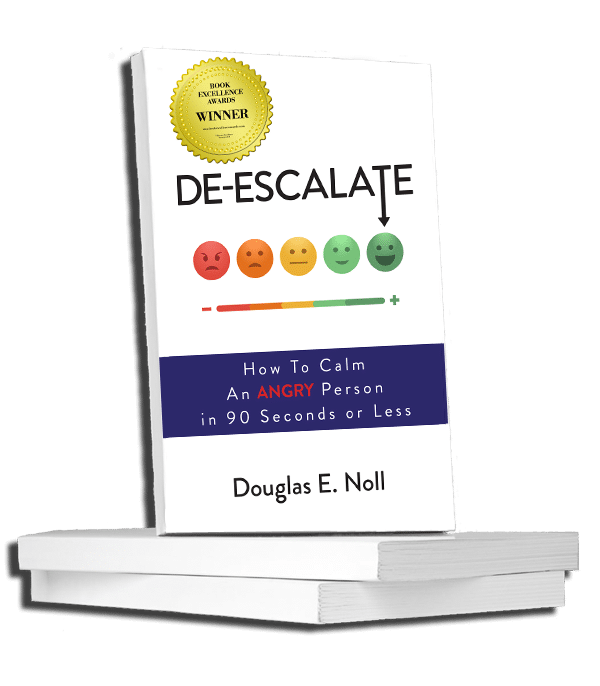
Emotional conflicts fracture teams and families. The ongoing tension breeds burnout, damages relationships, and hurts performance. The Noll Method’s 90-Second Power Move™ is a proven, neuroscience-based skill for restoring calm, tested from boardrooms to maximum-security prisons. Master this life-changing technique to transform chaos into collaboration. Book a no-obligation zoom call with Doug Noll today!
The Quiet Expense of Unmanaged Tension
Conflict that lingers exacts a steep price. Teams lose productive hours rehashing disagreements or tiptoeing around bruised egos. When the emotional climate feels unsafe, voluntary turnover climbs as capable people look for environments where they can speak freely without fear of escalation. The pattern appears consistently: unresolved friction erodes psychological safety, the single most reliable predictor of team effectiveness according to decades of organizational research.
Healthcare workers absorb verbal aggression from stressed patients and families, then carry that tension into the next shift. Corporate leaders watch strategy discussions derail when emotions override facts. Remote contributors misinterpret tone in emails or chat messages, allowing small misunderstandings to harden into lasting resentment. In each case, the absence of effective de-escalation skills turns ordinary differences into sources of chronic stress and disengagement.
Restoring Trust One Emotion at a Time
Trust is rebuilt or destroyed in the seconds after someone becomes visibly upset. Conventional responses such as explaining why the other person is mistaken, offering immediate solutions, or defending one’s own position usually keep the emotional brain in charge. Neuroscience offers a more effective path: calmly naming the feeling being experienced.
This practice, known as affect labeling, lowers activity in the brain’s threat-detection center (the amygdala) while engaging regions responsible for reasoning and regulation. Doug Noll, creator of the Noll Method™, has spent more than four decades refining this technique into what many call the “90-Second Power Move.” By using accurate, non-judgmental emotional phrasing “You sound extremely frustrated right now” the method frequently reduces emotional intensity within ninety seconds, opening space for real listening and problem-solving to begin.
When leaders and team members consistently apply this approach, people report feeling genuinely heard rather than managed or dismissed. That felt experience of safety is what converts transactional working relationships into durable trust.
Why People Stay When Emotional Safety Exists
Retention today hinges far less on compensation tables than on whether employees believe their workplace can handle disagreement constructively. Organizations that train personnel in modern de-escalation techniques observe measurable improvements: fewer lingering conflicts, reduced burnout complaints, and longer average tenures.
The logic is straightforward. When staff know that tension will be met with calm acknowledgment instead of escalation or avoidance, baseline stress drops. Lower chronic stress translates into greater resilience, fewer unplanned absences, and a stronger sense of belonging. People remain not because the job is perfect, but because they trust the environment to repair itself when friction arises.
Elevating Performance Through Faster Emotional Recovery
An emotionally flooded brain cannot think clearly, collaborate creatively, or make sound decisions. The longer it takes to restore calm, the more momentum a team loses. Leaders skilled in the Noll Method interrupt that cycle quickly. By addressing physiology before content, they prevent escalation and return discussions to a productive track.
Traditional conflict-resolution tools active listening, paraphrasing, open-ended questions perform reliably when everyone is relatively calm. During genuine emotional flooding, however, those same techniques can intensify agitation by signaling that the feelings themselves are being bypassed. The Noll Method reverses the sequence: emotion first, content second. Teams that adopt this order report shorter, more focused meetings, quicker resolution of issues, and noticeably higher collective output.
Proven in the Toughest Environments
Skeptics sometimes argue that arguments are simply part of human nature or that engaging deeply with emotions feels too vulnerable. Those reservations are reasonable until you examine where these skills have already been battle-tested.
With more than forty years mediating high-conflict situations, Doug Noll taught maximum-security inmates how to interrupt cycles of prison violence using the very same techniques now taught to corporate executives, educators, and first responders. The dramatic reduction in inmate-on-inmate assaults demonstrated that even in settings where stakes and volatility are extreme, precise emotional acknowledgment changes outcomes. The identical method now helps North American leaders prevent office arguments from starting and transform charged conversations into constructive dialogue.
What distinguishes this training is its clarity of promise: master the technique, and you will gain the ability to stop fights and arguments in everyday personal and professional life.
Meeting the Rising Need for Practical Emotional Skills
North American employers continue to increase investment in emotional intelligence and leadership empathy training. Much of this growth flows through interactive digital platforms that make high-quality, on-demand learning accessible across distributed teams. The expanding availability of these tools reflects a clear recognition: in hybrid and remote settings, the capacity to create emotional safety during disagreement has become a tangible competitive advantage.
According to industry analysis, North America maintains a leading position in the adoption of sophisticated learning systems that support exactly this kind of professional development. Organizations that prioritize these capabilities position themselves to attract and keep talent that values psychological safety and constructive conflict handling.
A Single Skill Set, Compounding Returns
Effective de-escalation does not erase differences of opinion; it changes how those differences are navigated. When emotion receives calm, accurate naming rather than counter-argument or suppression, relationships deepen instead of fraying. Trust grows. People stay. Performance improves.
In conference rooms and virtual calls alike, the ability to return a conversation to calm within ninety seconds is emerging as one of the highest-leverage skills any leader or team member can possess. The neuroscience is solid, the real-world results are consistent, and the organizational payoff in loyalty, resilience, and results is increasingly difficult to ignore. Invest in these capabilities now, and the workplace of tomorrow will be measurably stronger for it.
Frequently Asked Questions
How do de-escalation skills improve employee retention?
When employees trust that workplace tension will be met with calm, constructive acknowledgment rather than avoidance or escalation, their baseline stress drops significantly. This sense of emotional safety reduces burnout, lowers unplanned absences, and strengthens belonging all key drivers of longer employee tenure. Organizations that invest in de-escalation training consistently report fewer lingering conflicts and improved retention rates.
What is affect labeling, and why is it effective in workplace conflict?
Affect labeling is the practice of calmly naming the emotion another person appears to be experiencing for example, saying “You sound extremely frustrated right now.” Neuroscience shows this reduces activity in the amygdala (the brain’s threat-detection center) while engaging areas responsible for reasoning and self-regulation. In practice, this technique can reduce emotional intensity within roughly 90 seconds, creating the space needed for productive dialogue and problem-solving to begin.
Why do traditional conflict-resolution techniques fall short during heated arguments?
Tools like active listening, paraphrasing, and open-ended questions work well when people are relatively calm, but can actually intensify agitation during genuine emotional flooding because they signal that feelings are being bypassed in favor of content. The Noll Method reverses this sequence by addressing emotion first and content second, interrupting the escalation cycle quickly. Teams that adopt this approach report shorter meetings, faster issue resolution, and higher overall performance.
Disclaimer: The above helpful resources content contains personal opinions and experiences. The information provided is for general knowledge and does not constitute professional advice.
You may also be interested in: De-Escalation Techniques for Healthcare Staff & Patients – Doug Noll
Emotional conflicts fracture teams and families. The ongoing tension breeds burnout, damages relationships, and hurts performance. The Noll Method’s 90-Second Power Move™ is a proven, neuroscience-based skill for restoring calm, tested from boardrooms to maximum-security prisons. Master this life-changing technique to transform chaos into collaboration. Book a no-obligation zoom call with Doug Noll today!
Powered by flareAI.co