Picture a tense negotiation in a corporate office or a charged exchange at home the air thick with frustration, voices rising, and logic evaporating. In these moments, the key to resolution isn’t more arguments or clever rebuttals; it’s establishing a foundation where emotions feel acknowledged and safe. Mastering how to create emotional safety in conversations empowers individuals to navigate conflicts with confidence, turning potential breakdowns into opportunities for connection and understanding. Backed by decades of experience and neuroscience, this approach isn’t just theoretical it’s a practical skill that delivers real results in professional and personal settings alike.
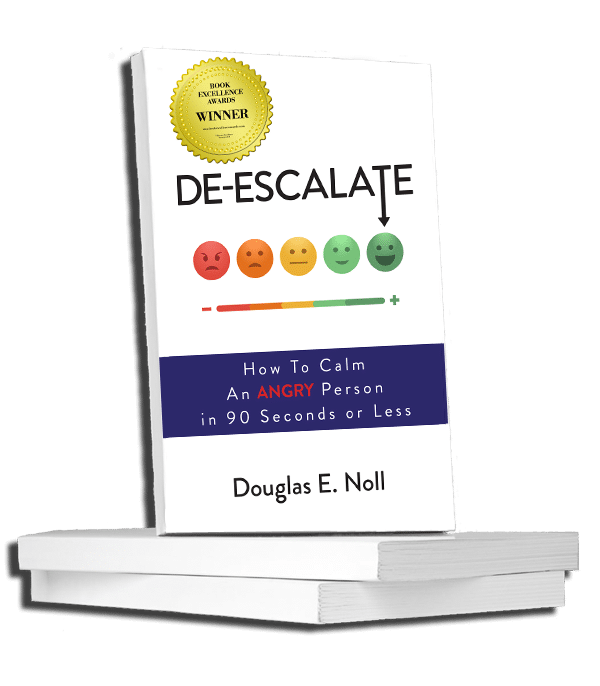
Emotional conflicts fracture teams and families. The ongoing tension breeds burnout, damages relationships, and hurts performance. The Noll Method’s 90-Second Power Move™ is a proven, neuroscience-based skill for restoring calm, tested from boardrooms to maximum-security prisons. Master this life-changing technique to transform chaos into collaboration. Book a no-obligation zoom call with Doug Noll today!
Understanding the Amygdala Hijack in Conflicts
The human brain is wired for survival, and when threats real or perceived emerge during disagreements, a rapid neurological shift occurs. Known as the amygdala hijack, this response activates the brain’s alarm system, releasing a cascade of stress hormones like cortisol and adrenaline. As a result, the prefrontal cortex, which governs rational thought, decision-making, and empathy, takes a backseat. People in this state struggle to absorb facts or consider alternative views; their focus narrows to immediate defense or attack.
This biological reality explains why standard advice like “just calm down” rarely works. It demands cognitive resources that are temporarily offline. Instead, de-escalation strategies must first soothe the amygdala’s overdrive, paving the way for reasoned dialogue. Recognizing this process is the first step toward building emotional safety, allowing conversations to progress without escalating into full-blown arguments.
The Impact on Everyday Interactions
In workplaces or relationships, unaddressed amygdala hijacks can lead to prolonged tension, reduced productivity, and damaged trust. Leaders who understand this dynamic position themselves to intervene effectively, fostering environments where team members feel secure enough to express concerns openly.
Introducing Affect Labeling as a Core Technique
At the heart of creating emotional safety lies affect labeling a straightforward yet potent method of identifying and verbalizing the emotions you observe in others. For instance, you might say, “It seems like this issue is making you quite angry,” delivered in a neutral, empathetic tone without adding interpretations or solutions. This technique sidesteps confrontation and directly signals that the person’s feelings are valid and seen.
Unlike traditional conflict resolution tactics that dive straight into problem-solving, affect labeling prioritizes emotional acknowledgment. It creates a buffer zone where the other party can process their feelings without pressure, often leading to a natural de-escalation. Professionals in high-stress fields, such as healthcare or education, find this approach invaluable for diffusing situations quickly and maintaining focus on collaborative goals.
The Neuroscience Behind Affect Labeling’s Effectiveness
Scientific research underscores why affect labeling stands out as a superior de-escalation tool. Functional MRI scans reveal that naming an emotion diminishes activity in the amygdala while activating brain areas responsible for self-regulation and cognitive control. This shift can lower physiological signs of stress, including elevated heart rate, in as little as one to two minutes.
Studies confirm that verbalizing emotions engages neural pathways that promote calm, contrasting with strategies like reassurance or questioning, which may inadvertently heighten arousal. In practical terms, this means affect labeling not only halts escalation but also rebuilds the neural bridge to logical thinking, making it a cornerstone for anyone seeking to master conflict navigation.
Avoiding Pitfalls That Undermine Emotional Safety
Even with good intentions, certain habits can sabotage efforts to de-escalate. Awareness of these common errors is crucial for refining your approach:
- Premature Problem-Solving: Rushing to offer fixes dismisses the emotional layer, implying feelings are secondary to solutions.
- Centering Your Own Reactions: Comments like “This is stressing me out too” redirect attention away from the other person’s experience.
- Probing for Reasons: Questions such as “Why are you upset?” can come across as interrogative, prompting defensiveness rather than openness.
- Downplaying Emotions: Phrases minimizing intensity, like “It’s not worth getting worked up over,” invalidate feelings and often amplify them.
By steering clear of these, you reinforce validation as the priority, allowing emotional safety to take root naturally.
The Role of Emotional Safety in Modern Professional Environments
In today’s fast-paced business landscape, where hybrid models and constant change prevail, the demand for leaders skilled in emotional management is on the rise. North America dominates the corporate leadership training market, highlighting the region’s emphasis on developing competencies like emotional intelligence and conflict resolution to boost engagement and retention.
Beyond statistics, the real value emerges in daily applications. Organizations investing in these skills see tangible benefits: lower turnover, heightened innovation, and stronger team dynamics. For instance, in sectors like consulting or veterinary services, where client interactions can turn volatile, creating emotional safety ensures smoother operations and better outcomes.
Moreover, as workplaces grapple with remote challenges, customized programs focusing on collaboration and stress reduction are gaining traction. Techniques rooted in human insight, rather than solely AI-driven tools, remain essential for authentic resolutions.
Overcoming Common Skepticism About De-Escalation Methods
It’s understandable to question whether these techniques truly deliver. Doubts often stem from beliefs that arguments are inevitable or that confronting emotions head-on might exacerbate them. However, practical experience shows otherwise. With over 40 years of honing these skills, including teaching them to life inmates to halt prison violence, the proof lies in consistent results: fights de-escalate, and harmony restores.
Addressing fears of emotional mastery, remember that this isn’t about suppressing feelings but channeling them productively. The guarantee? Once learned, you’ll reliably stop arguments in their tracks, transforming skepticism into empowerment through repeated success.
Mastering the Skill for Long-Term Benefits
Building emotional safety demands practice, but the rewards are profound. Begin by observing emotions in low-stakes scenarios, applying affect labeling consistently. Over time, this habit reshapes interactions, making you a go-to mediator in crises.
“Emotional safety isn’t a luxury it’s the bedrock of meaningful dialogue.”
embracing these principles equips you to handle conflicts with authority and grace. Whether in boardrooms or personal circles, the ability to foster safety not only resolves immediate tensions but cultivates enduring relationships and resilience. Commit to this path, and witness how conversations evolve from battlegrounds to bridges.
Frequently Asked Questions
What is affect labeling and how does it help create emotional safety in conversations?
Affect labeling is the practice of identifying and verbally acknowledging the emotions you observe in another person for example, saying “It seems like this situation is making you frustrated” in a calm, neutral tone. Rather than jumping to problem-solving, it signals that the other person’s feelings are valid and seen. Neuroscience backs this up: fMRI studies show that naming an emotion reduces amygdala activity and activates areas of the brain responsible for self-regulation, often lowering stress responses within just one to two minutes.
What is an amygdala hijack, and why does it make conflict resolution so difficult?
An amygdala hijack occurs when the brain’s threat-detection system triggers a flood of stress hormones like cortisol and adrenaline, effectively taking the prefrontal cortex responsible for rational thinking and empathy offline. This is why advice like “just calm down” tends to backfire; it demands cognitive resources that are temporarily unavailable. Effective de-escalation techniques must first soothe this neurological response before any productive dialogue can happen, which is why emotional acknowledgment always comes before problem-solving.
What common mistakes should you avoid when trying to de-escalate an argument?
Several well-intentioned habits can actually make conflicts worse. Rushing to offer solutions, asking “why are you upset?”, centering your own stress, or minimizing the other person’s feelings with phrases like “it’s not a big deal” all undermine emotional safety. These responses shift focus away from acknowledgment the critical first step and can trigger further defensiveness, making resolution harder to reach.
Disclaimer: The above helpful resources content contains personal opinions and experiences. The information provided is for general knowledge and does not constitute professional advice.
You may also be interested in: Instantly Defuse Defensive Prospects With These 4 Powerful De
Emotional conflicts fracture teams and families. The ongoing tension breeds burnout, damages relationships, and hurts performance. The Noll Method’s 90-Second Power Move™ is a proven, neuroscience-based skill for restoring calm, tested from boardrooms to maximum-security prisons. Master this life-changing technique to transform chaos into collaboration. Book a no-obligation zoom call with Doug Noll today!
Powered by flareAI.co