In the midst of a charged conversation be it a high-stakes negotiation in the office, a simmering dispute at home, or a misinterpreted message in a digital thread the natural urge is to counter, justify, or resolve immediately. But the truly effective approach lies not in debate or directives. It’s in being fully present, mastering the art of responding without fueling the fire, and transforming volatile moments into opportunities for deeper understanding. As conflicts drain productivity and heighten stress across industries, acquiring this capability has become more than a nice-to-have it’s a critical edge for thriving in today’s interconnected world.
Emotional wellness is surging in importance globally, with the emotional wellness market valued at around USD 4.5 billion in 2023 and expected to expand substantially by 2032. This growth underscores a broader societal shift toward prioritizing mental health, driven by greater awareness and initiatives from governments and organizations to destigmatize seeking help. In parallel, workplaces are increasingly investing in employee well-being programs, recognizing that healthier teams lead to sharper focus, lower absenteeism, and boosted productivity. Tools for building emotional intelligence are also gaining traction, as leaders and individuals alike see the value in skills that enhance communication, decision-making, and relationships in both personal and professional spheres.
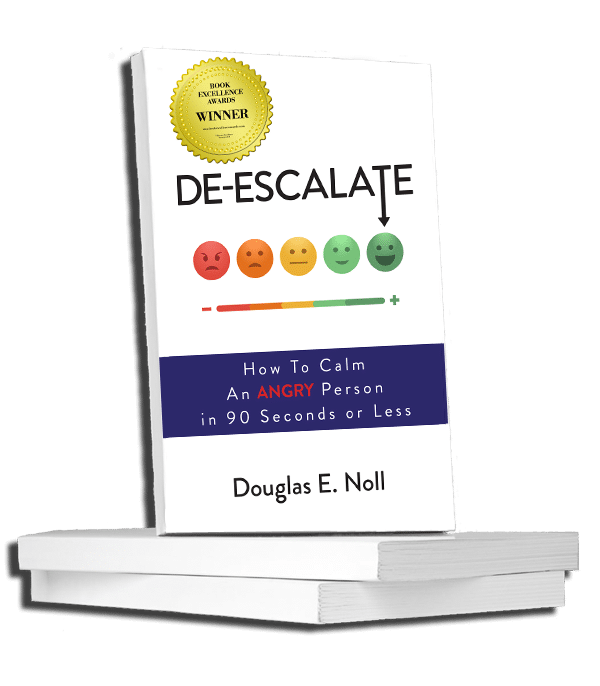
Emotional conflicts fracture teams and families. The ongoing tension breeds burnout, damages relationships, and hurts performance. The Noll Method’s 90-Second Power Move™ is a proven, neuroscience-based skill for restoring calm, tested from boardrooms to maximum-security prisons. Master this life-changing technique to transform chaos into collaboration. Book a no-obligation zoom call with Doug Noll today!
The Hidden Toll of Escalating Conflicts
Picture this: a simple difference of opinion spirals into lingering grudges, fractured teams, or even severed ties. In professional environments, unmanaged friction contributes to disengagement, higher turnover, and stalled innovation. The ripple effects are profound, affecting not just individuals but entire organizations. Yet, there’s a proven path to intervene one that focuses on validating emotions rather than overriding them with facts or fixes.
Doug Noll, a seasoned expert with more than four decades in mediation and peacemaking, including groundbreaking efforts to equip incarcerated individuals with tools to halt violence in prisons, demonstrates that de-escalation is accessible to all. His techniques, informed by cutting-edge neuroscience and tested in extreme settings from cell blocks to executive boardrooms, reveal that true resolution begins with exploring emotions curiously, sidelining rational arguments until calm prevails.
Foundational Ideas: Embracing Curiosity Instead of Command
When tensions peak, the human brain activates its survival mode, heightening defenses and clouding judgment. Attempting to impose solutions or assert dominance only intensifies the cycle. The smarter move? Cultivate authentic interest in the underlying feelings driving the outburst. Ask yourself: What’s really at play here beyond the surface words?
This pivot redefines the interaction, positioning you as a supportive partner rather than an opponent. It fosters an environment of trust, where emotions can be aired without fear of dismissal. Noll’s framework illustrates how simply recognizing feelings free of critique can swiftly dial down their power. Honed in scenarios where errors carried severe consequences, these principles translate effortlessly to routine disagreements, offering a reliable way to restore equilibrium.
To build this habit, start small. In your next heated discussion, pause and reflect on the emotional undercurrents. Over time, this practice not only prevents escalation but also strengthens bonds, as people feel genuinely acknowledged and respected.
Effective Expressions to Redirect Tension
Pre-rehearsed scripts often fall flat, coming across as contrived. Genuine de-escalation stems from empathy and attentiveness. Consider these flexible, field-tested phrases to guide conversations toward resolution:
- “I notice this is affecting you strongly shall we take a breath together?”
- “Your viewpoint matters; can you share what’s bothering you most?”
- “It looks like this is really aggravating have I understood correctly?”
- “There’s a lot of passion here. What’s fueling that for you?”
These aren’t incantations but gateways to dialogue. By naming the emotion such as frustration or overwhelm you enable the other party to externalize it, which frequently lessens its hold. Backed by studies on emotional labeling, this technique quiets the brain’s alarm center, promoting rapid soothing of the nervous system. Incorporate them thoughtfully, and watch how they pivot confrontations into collaborative exchanges.
Applying Emotional Intelligence to Workplace Disputes
At work, emotional intelligence serves as a game-changer in navigating clashes. It empowers you to identify personal reactions and subtle cues of unease in others, paving the way for responses that soothe rather than stir. A simple acknowledgment like “This must be quite irritating for you” affirms experiences without endorsing positions, cultivating a culture of openness and security.
Companies embracing EI reap clear rewards: enhanced guidance from leaders, elevated team spirit, and smoother dispute handling. In distributed work setups, where nonverbal signals are absent, errors in interpretation abound. Mitigate them through strategies like adding emojis for clarity, posing questions such as “Is this what you meant?”, and initiating discreet follow-ups like “That discussion seemed charged everything okay?” By presuming goodwill from the outset, you nip budding problems in the bud, preserving harmony in virtual spaces.
Navigating Typical Hurdles
Resistance often arises from doubts about effectiveness or the belief that discord is unavoidable. Some shy away from delving into their feelings, viewing it as vulnerability. These concerns are valid yet surmountable. With practice, de-escalation yields dependable outcomes, even in dire circumstances, evolving into an instinctive tool that dispels the notion of perpetual strife.
Convincing the Doubters: The Science Behind Success
It’s reasonable to question: Can mere phrases tame turbulent emotions? Absolutely, when applied with precision. Noll’s assurance is rooted in extensive proof those versed in his methods consistently defuse arguments. Far from stifling issues, this approach evolves them by greeting emotions with empathy instead of opposition.
The reluctance to engage with emotions runs deeper for many, equated with frailty. In truth, however, commanding one’s inner world yields resilience, insight, and liberation. It shifts you from knee-jerk reactions to deliberate actions, empowering more fulfilling interactions across all facets of life.
Common Queries: Putting It into Practice
Optimal Responses for Emotional Overload
Begin with compassion and inquiry. Try saying, “I can tell this is weighing on you heavily care to unpack it?” or “Let’s ease into this side by side.” Such invitations prioritize feeling understood, naturally easing the burden without forcing solutions.
The Role of EI in Professional Tiffs
It arms you to detect warning signs early, in yourself and peers, fostering validations that curb escalation. Practices like naming feelings and attentive hearing establish trust, refining everything from group huddles to evaluations.
Handling Distant or Mixed-Mode Setups
Without vocal inflections, misreads escalate quickly. Opt for clear queries, tonal indicators via icons, and subsequent audio or visual touches. Prompt recognition of strain averts buildup over miles.
Wrapping Up: Embracing This Essential Ability
As our lives grow more intertwined inviting both richer ties and greater chances for discord the proficiency to reply without amplifying stands as an invaluable asset. It calls not for innate flair or boundless tolerance but for a commitment to hear profoundly and address sentiments foremost. From intense correctional facilities to pressured corporate arenas or serene domestic scenes, the results endure: more serene exchanges, robust connections, and authentic settlements.
The resources are at hand. The backing data is compelling. The pivotal query remains: Are you prepared to swap impulse for intention and experience the swift return of tranquility? By integrating these insights, you not only navigate conflicts better but also contribute to a more empathetic, productive environment for all.
Frequently Asked Questions
What are the most effective phrases to de-escalate a conflict without making things worse?
Effective de-escalation phrases focus on acknowledging emotions rather than arguing facts. Examples include “Your viewpoint matters can you share what’s bothering you most?” or “I notice this is affecting you strongly shall we take a breath together?” These statements name the emotion the other person is feeling, which research on emotional labeling shows can calm the brain’s stress response and open the door to genuine dialogue.
How does emotional intelligence help resolve workplace conflicts?
Emotional intelligence (EI) helps you spot early warning signs of tension both in yourself and your colleagues so you can respond thoughtfully instead of reactively. A simple acknowledgment like “This must be quite frustrating for you” validates the other person’s experience without taking sides, fostering a culture of psychological safety. Organizations that invest in EI consistently see better leadership, stronger team morale, and more effective conflict resolution.
Why do conflicts escalate, and what is the science-backed way to stop them?
Conflicts escalate because the brain shifts into survival mode during high-stress moments, heightening defensiveness and impairing judgment making logical arguments largely ineffective in the heat of the moment. The neuroscience-backed approach, developed by mediators like Doug Noll, is to meet emotions with curiosity and empathy first, setting aside problem-solving until calm is restored. Consistently practicing this method rewires your default response over time, turning de-escalation from a conscious effort into a natural instinct.
Disclaimer: The above helpful resources content contains personal opinions and experiences. The information provided is for general knowledge and does not constitute professional advice.
You may also be interested in: How to Respond to Insults Gracefully: 6 Powerful Psychological
Emotional conflicts fracture teams and families. The ongoing tension breeds burnout, damages relationships, and hurts performance. The Noll Method’s 90-Second Power Move™ is a proven, neuroscience-based skill for restoring calm, tested from boardrooms to maximum-security prisons. Master this life-changing technique to transform chaos into collaboration. Book a no-obligation zoom call with Doug Noll today!
Powered by flareAI.co