In an era defined by rapid change and physical distance, relationships both professional and personal face unprecedented pressures. Hybrid work arrangements, digital communication, and constant connectivity have removed many of the subtle, human signals that once kept misunderstandings in check. Small frictions now escalate more easily into lasting tension. Yet one capability consistently proves decisive in preserving connection and turning potential conflict into growth: emotional intelligence. Far more than a supplementary trait, it has become a foundational skill for anyone seeking to build trust, maintain collaboration, and foster meaningful bonds across screens and time zones.
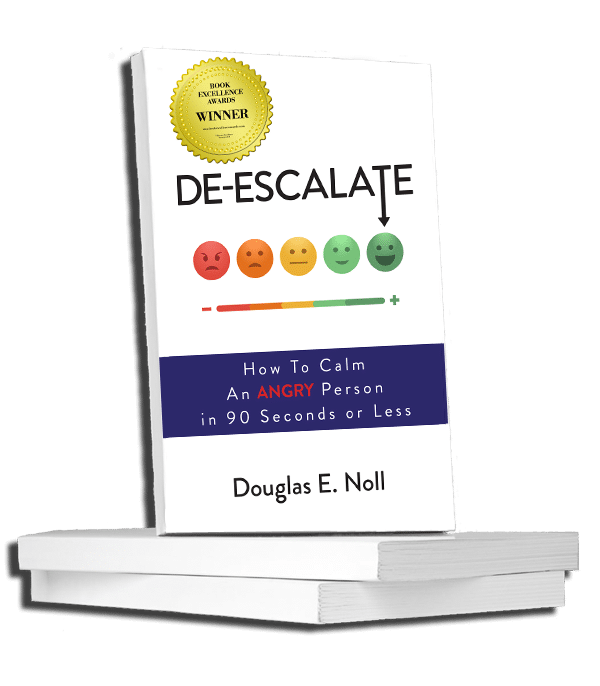
Emotional conflicts fracture teams and families. The ongoing tension breeds burnout, damages relationships, and hurts performance. The Noll Method’s 90-Second Power Move™ is a proven, neuroscience-based skill for restoring calm, tested from boardrooms to maximum-security prisons. Master this life-changing technique to transform chaos into collaboration. Book a no-obligation zoom call with Doug Noll today!
The Surge in Modern Relational Tension
Conflict within teams and close relationships is neither novel nor surprising, but its pace and persistence have noticeably increased. Economic volatility, relentless technological disruption, differing generational priorities, and the structural shift toward distributed work all converge to heighten friction points. When colleagues or partners no longer share physical space, the everyday moments that once diffused tension casual acknowledgment, a quick clarifying question, a shared laugh disappear.
Without those corrective interactions, even minor slights gain disproportionate weight. A delayed reply, an unintentionally curt tone in a message, or the absence of visible reassurance can activate the brain’s natural negativity bias. Perceived threats loom larger, trust quietly erodes, and stress travels quickly through groups and households via emotional contagion. What begins as a fleeting irritation frequently hardens into entrenched misunderstanding simply because the informal human context that once softened edges is no longer present.
Why Distance Magnifies Everyday Misunderstandings
Remote and hybrid environments eliminate the spontaneous exchanges that traditionally lubricated human connection. The overheard brainstorming session, the brief word of appreciation delivered in passing, the micro-expression that conveys warmth or concern all vanish. In their place arrive lean, often asynchronous exchanges that carry far less emotional texture.
A neutral-sounding video call or a concise written update can easily read as cold or dismissive when stripped of facial cues and vocal inflection. Defensive reactions follow, clarification gets postponed, and small resentments accumulate. Psychological safety the belief that it is safe to speak up suffers most acutely in these conditions. Concerns remain unspoken until they surface as major disputes. The pattern appears not only in workplaces but also in personal relationships sustained largely through screens, where the lack of everyday proximity makes resilience harder to maintain.
Emotional Intelligence as the Decisive Advantage
Emotional intelligence stands out as the single most effective response to these dynamics. Individuals and leaders who develop strong self-awareness, impulse control, empathy, and relationship management skills can read situations more accurately, respond thoughtfully rather than reactively, and rebuild understanding when it begins to fray.
Market trends reflect growing recognition of this reality. Investment in soft skills training with emotional intelligence and related competencies at its core has expanded significantly, reaching a market size of USD 39.02 billion in 2025 and continuing to attract serious organizational attention. Similarly, companies increasingly prioritize leadership development that emphasizes EQ, viewing it as a strategic lever for engagement, retention, and adaptability in turbulent times. These patterns signal a clear shift: organizations and individuals alike now treat emotional competence as essential infrastructure rather than an optional enhancement.
Concrete Practices That Strengthen Emotional Intelligence
High-performing leaders integrate EQ into routine behavior rather than treating it as a separate initiative. They practice deliberate, transparent communication and create structures that compensate for missing physical cues.
- Neutral validation of emotion: Simple statements such as “It sounds like this situation felt unfair” acknowledge feelings without judgment or defensiveness.
- Explicit communication agreements: Teams establish shared expectations around tone, response windows, preferred channels, and emoji usage to reduce ambiguity.
- Regular, focused check-ins: Brief one-on-one conversations that prioritize human connection over task status help surface concerns before they escalate.
- Active, curious listening: Asking open-ended questions and reflecting back what is heard even through a camera demonstrates genuine interest and bridges emotional distance.
These same habits translate directly to personal life. Partners who pause to name feelings, clarify intent, and seek understanding rather than winning arguments find that everyday friction loses much of its destructive power.
Addressing Resistance to Emotional Skill-Building
Skeptics sometimes dismiss emotional intelligence as vague or secondary to hard skills. Experience and organizational outcomes tell a different story. Teams led by emotionally attuned individuals consistently report higher engagement, lower voluntary turnover, faster problem resolution, and greater willingness to innovate. In distributed settings, where connection cannot be taken for granted, EQ frequently determines whether groups remain cohesive or quietly fragment.
Transforming Conflict into Deeper Connection
The core promise of emotional intelligence lies in its ability to reframe tension. Rather than viewing conflict as something to avoid or suppress, emotionally intelligent people approach it as valuable information. They slow down long enough to understand the underlying needs and fears driving the disagreement, then respond in ways that preserve dignity and forward momentum.
This capacity becomes especially powerful when physical proximity is limited. A leader who can detect frustration behind a terse message and address it directly prevents escalation. A partner who recognizes unspoken hurt in a clipped reply and chooses curiosity over retaliation keeps intimacy intact. In both cases, the result is not merely conflict avoidance but genuine strengthening of the relationship.
The Lasting Value of Emotionally Intelligent Bonds
As work and personal life continue to distribute across geographies and time zones, relational quality depends less on shared space and more on shared emotional literacy. Emotional intelligence allows us to interpret digital signals with nuance, respond with intention rather than reflex, and repair breaches before they become breaks.
It equips us to create environments virtual or physical where people feel accurately seen, safely heard, and genuinely valued. In doing so, we move beyond merely coping with modern complexity toward building connections that are more resilient, more honest, and ultimately more rewarding.
The evidence from boardrooms to living rooms is consistent: relationships anchored in emotional intelligence do far more than endure today’s challenges they grow richer because of them.
Frequently Asked Questions
Why is emotional intelligence important in remote and hybrid work environments?
In remote and hybrid settings, the informal human cues that once diffused tension like a reassuring glance or an overheard conversation no longer exist. This makes misunderstandings more likely and psychological safety harder to maintain. Emotional intelligence helps individuals and leaders interpret digital signals with nuance, respond thoughtfully rather than reactively, and prevent small frustrations from escalating into lasting conflict.
What are practical ways to build emotional intelligence in professional relationships?
High-performing leaders strengthen EQ through consistent, deliberate habits rather than one-off training. Key practices include neutrally validating emotions (“It sounds like this felt unfair”), setting explicit team communication agreements around tone and response times, holding regular human-focused check-ins, and practicing active, curious listening even over video. These same habits apply equally to personal relationships.
Can emotional intelligence actually reduce workplace conflict and improve team performance?
Yes the organizational evidence is consistent. Teams led by emotionally intelligent individuals report higher engagement, lower voluntary turnover, faster conflict resolution, and a greater willingness to innovate. The growing global soft skills training market, valued at USD 39.02 billion in 2025, reflects how seriously organizations now treat EQ as a strategic business asset rather than a soft, secondary concern.
Disclaimer: The above helpful resources content contains personal opinions and experiences. The information provided is for general knowledge and does not constitute professional advice.
You may also be interested in: 5 Powerful Signs Your Emotional Intelligence is Failing in Family
Emotional conflicts fracture teams and families. The ongoing tension breeds burnout, damages relationships, and hurts performance. The Noll Method’s 90-Second Power Move™ is a proven, neuroscience-based skill for restoring calm, tested from boardrooms to maximum-security prisons. Master this life-changing technique to transform chaos into collaboration. Book a no-obligation zoom call with Doug Noll today!
Powered by flareAI.co