In the quiet rhythm of today’s workplaces whether open-plan offices or the glow of home screens something subtle yet relentless is draining people. It isn’t always the volume of tasks or the pressure of deadlines. More often, it is the slow, steady accumulation of unresolved tension: the email thread laced with sarcasm that refuses to die, the meeting where tones sharpen and no one quite recovers, the quiet resentment that settles after yet another disagreement is left hanging. Chronic conflict exposure is rarely explosive; it is persistent. And over months and years, it quietly erodes mental clarity, emotional reserves, and the sense of safety that high-performing teams depend on.
Behavior once brushed off as “just office politics” or “clashing personalities” is now widely recognized as a serious psychosocial hazard. Persistent friction undermines psychological safety, elevates chronic stress, and steadily impairs focus, creativity, and the ability to regulate emotions. In hybrid and remote environments, where casual moments that once softened misunderstandings have vanished, these low-grade conflicts build more quickly and linger longer. The outcome is a workforce that is quietly fatigued, less trusting, and increasingly likely to view the workplace itself as a source of strain rather than support.
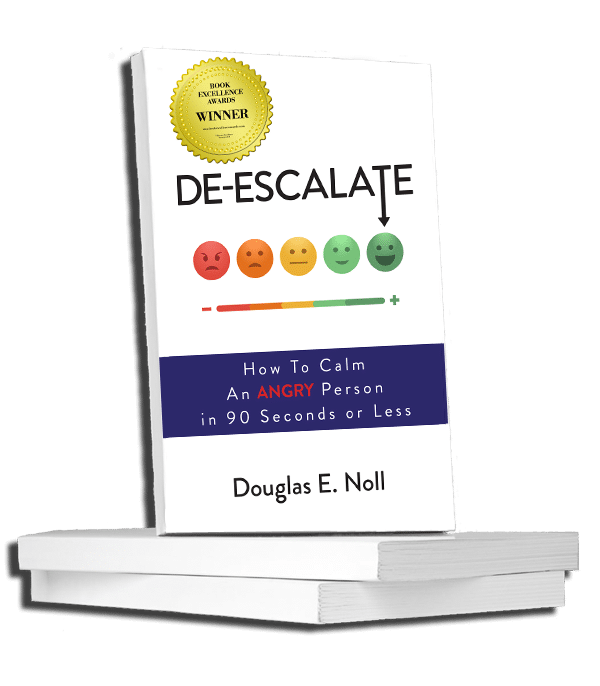
Emotional conflicts fracture teams and families. The ongoing tension breeds burnout, damages relationships, and hurts performance. The Noll Method’s 90-Second Power Move™ is a proven, neuroscience-based skill for restoring calm, tested from boardrooms to maximum-security prisons. Master this life-changing technique to transform chaos into collaboration. Book a no-obligation zoom call with Doug Noll today!
The Quiet Erosion of Mental Resources
Chronic workplace conflict rarely announces itself with a dramatic collapse. It accumulates in small doses. People regularly exposed to unresolved tension describe rising levels of anxiety, irritability, emotional depletion, and a persistent background sense of vigilance. Research links prolonged interpersonal friction to sustained activation of the body’s stress response keeping the nervous system primed even when the immediate trigger has passed.
This goes beyond ordinary stress. It becomes a steady tax on cognitive capacity. Decisions take longer, attention drifts more easily, and even minor differences begin to feel disproportionately threatening. Over time, the brain learns to anticipate conflict, which sharpens defensive reactions while dulling openness, empathy, and flexible thinking. Managers and senior leaders, who frequently serve as the first line of mediation or decision-making, often carry the heaviest load. They face intensified emotional exhaustion, decision fatigue, and reduced bandwidth for meaningful connection with the people they lead.
Why Tension Resonates More Deeply Today
The shift to hybrid and remote work has removed many of the informal signals that once prevented escalation. A quick hallway comment, a shared glance during a coffee break, or even body language in the room often dissolved misunderstandings before they hardened. Those natural circuit-breakers are largely gone. Without them, unclear expectations, unshared context, and siloed information turn routine interactions into breeding grounds for friction.
At the same time, broader pressures keep baseline stress elevated. Rapid technological change, global competition, and economic uncertainty demand near-constant adaptation. Leaders are asked to steer teams through uncertainty while managing their own. When everyday conflict becomes chronic instead of episodic, it amplifies these demands, transforming the workplace into a low-intensity pressure chamber that depletes mental energy long before the day’s most important work begins.
The Real Business Price of Unresolved Tension
The mental toll quickly becomes an organizational one. Teams living with persistent friction experience declining trust, reduced collaboration, slower decision-making, and higher rates of disengagement. People leave not always with fanfare, but steadily seeking environments that feel less draining. Studies of workplace incivility show that even relatively mild forms of disrespect create significant recovery time and lost productivity, with costs that reach into the billions annually across industries.
Leaders absorb a disproportionate share of the strain. They must regulate not only their own responses but also guide their teams through tension, often with limited training or support. When exhaustion sets in, de-escalation becomes harder, allowing conflicts to linger and further erode reserves. Forward-thinking organizations are responding by investing more deliberately in leadership capability building. Growing awareness of how directly effective leadership influences financial performance, employee engagement, retention, and overall resilience is fueling sustained demand for targeted development programs.
Strategic Focus on Practical Leadership Skills
Companies are prioritizing training that equips leaders to handle interpersonal dynamics more effectively. Workshops and seminars continue to dominate many programs because they provide safe, structured space for practicing high-stakes communication and conflict navigation in real time. These efforts are seen as essential rather than optional particularly in high-pressure sectors such as healthcare, where strong leadership directly supports clinical decisions, operational flow, and administrative coordination.
The emphasis is shifting toward practical, repeatable tools: self-regulation under pressure, active and nonjudgmental listening, curiosity instead of defensiveness, and the ability to refocus groups on shared purpose. When leaders master these skills, they interrupt the conflict cycle early, protecting both individual well-being and collective performance.
De-Escalation Techniques That Deliver Results
Effective de-escalation begins with physiology rather than words. A steady voice, calm posture, and unhurried pace signal safety before anything is said. When emotion is running high, the most powerful first move is often neutral acknowledgment: “This seems really frustrating am I reading that correctly?” That single sentence can lower defenses and shift the dynamic from opposition to dialogue.
Next comes curiosity. Replace assertions with open questions that invite perspective rather than demand agreement. Then gently guide attention back to common ground: What outcome are we all trying to achieve here? These steps do not eliminate disagreement they create breathing room so rational conversation can resume. Managers who use them regularly experience fewer escalations and quicker resolutions when tension does surface.
- Regulate yourself first your calm sets the emotional temperature for the room.
- Acknowledge emotion without judgment or blame.
- Shift from telling to asking genuine questions lower resistance.
- Reconnect to shared goals to remind everyone what matters most.
Prevention: Designing Conflict-Resilient Teams
The strongest antidote to chronic conflict is prevention. Most workplace disputes originate not from irreconcilable differences but from communication gaps: unclear objectives, unexamined assumptions, information trapped in silos. Hybrid settings magnify these vulnerabilities by eliminating spontaneous clarification.
Simple, consistent habits make a measurable difference: frequent one-on-one conversations that catch tension early, transparent records of decisions to reduce second-guessing, short regular check-ins that normalize surfacing concerns before they calcify. When leaders consistently model direct, respectful communication and celebrate early resolution rather than avoidance, conflict shifts from a chronic condition to an occasional and manageable part of team life.
Reclaiming Psychological Safety
Chronic conflict exposure is not an unavoidable feature of modern work. It is a symptom that something in the system needs repair whether clearer communication structures, stronger interpersonal skills among leaders, or simply more intentional space for recovery and reset.
Organizations that treat leadership development as a strategic priority are making a clear bet: leaders who can read the emotional undercurrents, de-escalate skillfully, and rebuild trust after friction protect far more than productivity. They safeguard the mental health and long-term resilience of the people they lead.
The price of inaction is steep: exhausted teams, rising turnover, muted innovation, and cultures that quietly bleed energy. The alternative is deliberate investment in the human capabilities that allow people to disagree constructively, regulate emotion under pressure, and restore connection when it frays. When those foundations are strong, work stops being a source of quiet harm and starts becoming a place where people and performance can genuinely thrive.
Frequently Asked Questions
How does chronic workplace conflict affect mental health?
Prolonged exposure to unresolved workplace tension keeps the nervous system in a state of heightened alertness, contributing to anxiety, irritability, and emotional exhaustion. Over time, it erodes cognitive capacity making decisions harder, attention less focused, and even minor disagreements feel disproportionately threatening. Unlike acute stress, this low-grade friction accumulates quietly over months and years, steadily depleting the mental resources people need to perform at their best.
Why is workplace conflict worse in hybrid and remote environments?
Hybrid and remote work have eliminated many of the informal, in-person cues a quick hallway chat, shared body language, a glance over coffee that once defused misunderstandings before they escalated. Without these natural circuit-breakers, unclear expectations and siloed information turn routine interactions into sources of friction. Combined with elevated baseline stress from rapid change and economic uncertainty, low-grade conflict builds more quickly and lingers much longer in distributed teams.
What are the most effective de-escalation techniques for managers?
Effective de-escalation starts with self-regulation a calm voice and steady posture signal safety before a single word is spoken. From there, leaders should acknowledge emotion without judgment (e.g., *”This seems really frustrating am I reading that correctly?”*), then shift from making statements to asking open questions that invite perspective. Finally, redirecting the group toward shared goals creates the breathing room needed for rational, productive dialogue to resume.
Disclaimer: The above helpful resources content contains personal opinions and experiences. The information provided is for general knowledge and does not constitute professional advice.
You may also be interested in: When Someone Takes Their Anger Out On You 5 Compelling
Emotional conflicts fracture teams and families. The ongoing tension breeds burnout, damages relationships, and hurts performance. The Noll Method’s 90-Second Power Move™ is a proven, neuroscience-based skill for restoring calm, tested from boardrooms to maximum-security prisons. Master this life-changing technique to transform chaos into collaboration. Book a no-obligation zoom call with Doug Noll today!
Powered by flareAI.co