In the pressure-cooker environment of modern workplaces hybrid schedules, endless Zoom calls, rapid pivots something quiet but decisive shapes whether people bring their full selves to work or keep their guard up. That something is emotional safety: the underlying confidence that you can speak candidly, share half-baked thoughts, own a misstep, or raise a concern without being dismissed, mocked, or penalized. When emotional safety is present, behavior transforms teams collaborate more openly, creativity flows, and people commit rather than comply. When it is absent, caution takes over, innovation shrinks, and small frictions quietly grow into lasting rifts.
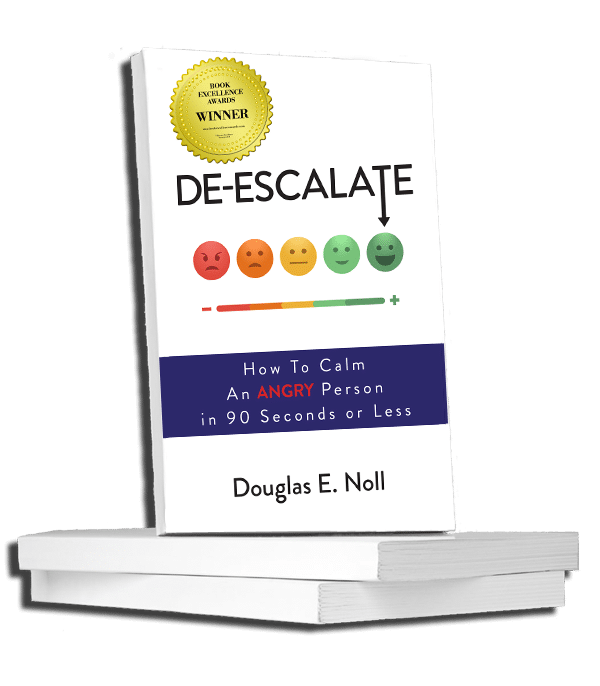
Emotional conflicts fracture teams and families. The ongoing tension breeds burnout, damages relationships, and hurts performance. The Noll Method’s 90-Second Power Move™ is a proven, neuroscience-based skill for restoring calm, tested from boardrooms to maximum-security prisons. Master this life-changing technique to transform chaos into collaboration. Book a no-obligation zoom call with Doug Noll today!
What Emotional Safety Actually Looks Like
Emotional safety often discussed alongside the better-known term psychological safety is the felt assurance that vulnerability will not be turned against you. Picture two different team meetings. In one, a colleague hesitates before floating an unconventional suggestion, bracing for eye-rolls or sharp pushback. In the other, people toss out early-stage ideas freely because experience has taught them the room will respond with curiosity rather than criticism.
This is not about lowering standards or sidestepping hard truths. Genuine emotional safety actually makes candid, constructive disagreement possible. It turns tension into progress instead of letting it fester. Without that foundation, even routine misunderstandings quickly escalate as individuals shift into self-protection mode rather than problem-solving mode.
Why Most Conflict Is a Communication Problem in Disguise
Decades of workplace research point to the same conclusion: the overwhelming majority of workplace conflict stems not from irreconcilable personalities but from communication failures. Vague goals, inconsistent messaging, assumptions left untested, information that never reaches the people who need it these are the real sparks. When managers or teams label recurring friction as a “personality clash,” they bypass the far more actionable root cause: the way people exchange (or fail to exchange) information.
The shift toward remote and hybrid arrangements has intensified the challenge. Casual corridor conversations, quick side glances, and unspoken cues that once kept everyone roughly aligned have largely disappeared. What remains is a higher risk of crossed wires and delayed clarification. Engagement studies consistently show that unclear expectations and sparse feedback in distributed teams breed frustration and erode trust precisely the conditions that turn minor issues into persistent conflict. Organizations that respond with deliberate communication rhythms structured one-on-ones, explicit decision logs, regular pulse checks find that many tensions lose their momentum before they solidify.
The Behavioral Ripple Effects of Feeling Safe or Not
When emotional safety is strong, everyday behavior changes in measurable ways. People volunteer emerging ideas instead of polishing them in silence until they feel flawless. They ask for help early rather than struggling alone to preserve an image of competence. They surface problems before those problems metastasize. Trust replaces calculation; experimentation feels possible rather than perilous.
The opposite dynamic is equally visible. Low emotional safety activates self-preservation instincts. Feedback is withheld to avoid reprisal. Disagreement is swallowed to keep the peace. Initiative shrinks because the perceived cost of failure outweighs any potential upside. Over months or years, morale sags, silos deepen, adaptability weakens, and the organization quietly loses its edge. The paradox is painful: the very behaviors people adopt to protect themselves often create larger risks for the business missed innovations, uncorrected errors, talent that quietly exits.
The Real Price of Misdiagnosing Conflict
When conflict is chalked up to “difficult personalities” rather than fixable communication gaps, the organization pays a compounding price. Problems that could have been resolved with clearer expectations or better listening instead recur, draining time, energy, and goodwill. Productivity suffers as mental bandwidth is consumed by tension rather than work. Engagement drops. Turnover rises. The hidden costs lost institutional knowledge, repeated recruiting cycles, weakened customer outcomes accumulate steadily.
Leaders who reframe the issue and invest in communication infrastructure see the opposite trajectory. Simple, consistent practices active listening workshops, clear RACI matrices, norms around giving and receiving feedback do not erase disagreement; they make it useful. Teams report higher satisfaction, stronger cooperation, and better retention once people consistently feel heard and respected.
Emotional Safety as a Strategic Priority
Forward-thinking companies increasingly treat emotional safety as a core component of employee well-being. The corporate wellness market illustrates the broader trend: businesses of all sizes are expanding programs that address mental health, stress, and the quality of workplace relationships. North America continues to lead in adoption, reflecting both cultural emphasis on employee experience and recognition of the link between well-being and long-term performance.
Organizations are channeling resources into initiatives that reduce emotional risk everything from mental-health resources to training that strengthens interpersonal dynamics. The message is clear: creating conditions where people feel safe to contribute fully is no longer viewed as a nice-to-have; it is a competitive necessity.
Practical Steps Leaders Can Take Today
Building emotional safety begins with visible leadership behavior. When executives acknowledge their own uncertainties, solicit candid input, and respond to tough feedback without defensiveness, they set the tone for the entire organization.
- Establish team norms that frame mistakes as collective learning opportunities rather than individual shortcomings.
- Schedule regular, structured opportunities for open dialogue so issues surface early instead of simmering.
- In hybrid environments, replace serendipitous connection with intentional rituals: short virtual check-ins focused on rapport, shared documents that capture decisions in real time, explicit prompts that invite quieter voices into the conversation.
- Invest in emotional intelligence and communication skill-building so people can navigate feelings and differences more skillfully.
These steps are not revolutionary. They are deliberate, repeatable, and when consistently applied remarkably effective.
Why Emotional Safety Ultimately Drives Performance
Emotional safety is not a soft-sided luxury reserved for unusually progressive workplaces. It is the enabling condition that allows talent, strategy, and effort to compound rather than cancel each other out. When people feel secure enough to be authentic, their energy aligns with collective goals instead of self-protection. Disagreements surface early and resolve constructively. Teams adapt faster, learn continuously, and sustain momentum through uncertainty.
In a business landscape defined by disruption, the organizations that will thrive are those that refuse to let unaddressed communication failures quietly undermine their people. Emotional safety does far more than reduce conflict; it unlocks the human capability that no algorithm or restructuring plan can replicate. The choice is straightforward: cultivate the conditions that let people flourish or accept the slow, expensive drag of guarded, disengaged behavior. The evidence is already in: the former path is both wiser and more profitable.
Frequently Asked Questions
What is emotional safety in the workplace and why does it matter?
Emotional safety is the felt assurance that you can speak candidly, share ideas, admit mistakes, or raise concerns without fear of being dismissed, mocked, or penalized. When emotional safety is present, employees collaborate more openly, take initiative, and commit to their work rather than simply complying. Without it, self-protection instincts take over leading to withheld feedback, suppressed ideas, and a gradual erosion of trust and performance.
How does poor communication cause workplace conflict?
Research consistently shows that most workplace conflict stems from communication failures vague goals, untested assumptions, and information that never reaches the right people rather than irreconcilable personality differences. The rise of remote and hybrid work has made this worse by removing the informal, in-person cues that once kept teams aligned. Organizations that respond with deliberate communication practices, such as structured one-on-ones, decision logs, and regular pulse checks, find that many tensions dissolve before they solidify into lasting conflict.
What practical steps can leaders take to build emotional safety on their teams?
Leaders build emotional safety first through their own behavior by acknowledging uncertainty, welcoming candid input, and responding to tough feedback without defensiveness. From there, practical steps include establishing team norms that treat mistakes as learning opportunities, scheduling regular open-dialogue sessions, and investing in emotional intelligence and communication training. In hybrid settings, replacing lost spontaneous connection with intentional rituals short rapport-focused check-ins, shared decision documents, and explicit prompts for quieter voices can make a meaningful difference.
Disclaimer: The above helpful resources content contains personal opinions and experiences. The information provided is for general knowledge and does not constitute professional advice.
You may also be interested in: 8 Powerful Biblical Peacemaking Tools to Handle Anger With Grace
Emotional conflicts fracture teams and families. The ongoing tension breeds burnout, damages relationships, and hurts performance. The Noll Method’s 90-Second Power Move™ is a proven, neuroscience-based skill for restoring calm, tested from boardrooms to maximum-security prisons. Master this life-changing technique to transform chaos into collaboration. Book a no-obligation zoom call with Doug Noll today!
Powered by flareAI.co