In the modern workplace particularly in remote and hybrid environments where colleagues rarely share the same physical space small emotional misfires can quietly erode team cohesion. A clipped message in Slack, a delayed response to an urgent request, or an unintentionally sharp comment in an email can spark misunderstandings that linger and grow. What begins as a fleeting frustration often escalates into persistent tension, diminished trust, and, eventually, reduced performance. As distributed work becomes standard, the capacity to recognize, address, and resolve interpersonal conflict has shifted from a desirable trait to a critical workplace skill that directly influences team health, innovation, and retention.
Organizations have taken notice. Investment in leadership development programs that emphasize emotional awareness and constructive disagreement continues to rise sharply because executives increasingly understand that poor conflict management carries a measurable cost in productivity, engagement, and talent loss. Companies now view these capabilities not as optional soft skills but as strategic necessities in a business landscape reshaped by rapid technological change and global collaboration.
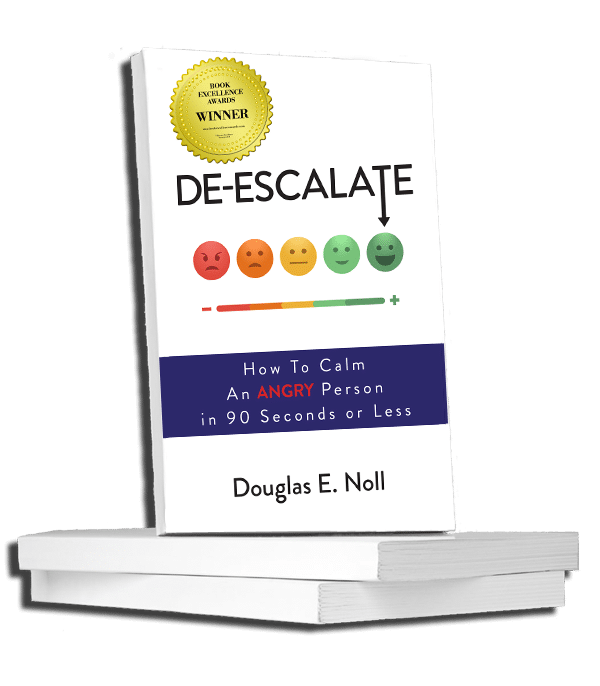
Emotional conflicts fracture teams and families. The ongoing tension breeds burnout, damages relationships, and hurts performance. The Noll Method’s 90-Second Power Move™ is a proven, neuroscience-based skill for restoring calm, tested from boardrooms to maximum-security prisons. Master this life-changing technique to transform chaos into collaboration. Book a no-obligation zoom call with Doug Noll today!
The Quiet Damage of Unchecked Emotions in Distributed Teams
Physical distance removes many of the natural buffers that once softened workplace interactions. Without body language, vocal inflection, or spontaneous hallway conversations, digital messages are prone to misinterpretation. A neutral statement can feel abrupt; silence can be read as disapproval. These small perceptual errors accumulate, creating an undercurrent of unease that makes people hesitate before sharing candid thoughts or raising difficult issues.
When psychological safety declines, the consequences are predictable yet profound. Team members begin to self-censor, withholding creative ideas or constructive criticism to avoid potential friction. Important debates are sidestepped, innovation slows, and resentment can build beneath the surface until it erupts in more damaging ways disengagement, passive-aggressive behavior, or unplanned departures. In remote settings, where repairing relational rifts is logistically harder, these patterns tend to persist longer and do greater harm.
Emotional Intelligence: The Foundation of Modern Collaboration
Emotional intelligence has moved well beyond being a supplementary leadership quality; it now ranks among the core competencies required to lead and work effectively in today’s environment. Leaders and team members who can accurately identify their own emotional state, regulate impulsive reactions, and interpret the feelings of others create space for honest dialogue even when stakes are high.
Teams that operate with high collective emotional intelligence experience several clear advantages. Disagreements become opportunities to refine thinking rather than threats to harmony. Early signals of tension are noticed and addressed before they harden into entrenched positions. People feel secure enough to surface dissenting views, knowing the conversation will remain respectful and solution-focused. The result is faster decision-making, higher-quality outcomes, and stronger interpersonal bonds that withstand pressure.
Why Conflict Resolution Now Defines Effective Leadership
Exceptional leaders today do far more than assign tasks and track progress; they actively shape the emotional climate of their teams. In hybrid and remote contexts, this requires deliberate effort: reading between the lines of written communication, initiating proactive check-ins, demonstrating composure during stressful moments, and modeling constructive ways to disagree.
The payoff is substantial. Teams led with emotional maturity show higher engagement scores, lower voluntary turnover, and greater adaptability when business conditions shift. Organizations that prioritize these skills gain a competitive advantage in attracting and retaining talent that values healthy, transparent cultures. In short, the ability to navigate and resolve conflict has become a defining marker of leadership credibility in the distributed-work era.
Practical Habits That Build Emotional Resilience Across Teams
Strengthening conflict-resolution capability does not require sweeping cultural transformation. Organizations can achieve meaningful progress through modest, repeatable practices that gradually raise emotional awareness and trust:
- Begin meetings with brief emotional check-ins: A quick round-robin question “What’s one word that describes how you’re feeling about this project right now?” can reveal undercurrents before they become problems.
- Establish and reinforce clear feedback norms: Teach and model the consistent use of “I” statements (“I felt uncertain when the deadline changed without discussion” rather than “You never communicate properly”) to keep conversations non-accusatory.
- Run regular anonymous pulse surveys: Short, frequent questions about team morale and blockers allow hidden frustrations to surface safely and give leaders data to act on early.
- Protect dedicated time for one-on-one conversations: Scheduled video calls remain the most effective channel for clarifying intentions, rebuilding rapport, and addressing sensitive topics that text flattens or distorts.
When practiced consistently, these routines function as early-warning systems, interrupting negative emotional spirals before they gain momentum.
Clearing Up Persistent Misconceptions About Conflict
One enduring myth holds that good teams experience little to no conflict. In truth, the absence of disagreement often signals caution or conformity rather than health. High-performing groups engage in vigorous, respectful debate because they trust the relationship will survive the discussion intact.
Another common assumption is that remote teams naturally have fewer interpersonal issues since people are physically separated. Experience shows the opposite: distance tends to conceal tensions rather than eliminate them, allowing misunderstandings to compound until intervention becomes more difficult and costly.
The Long-Term Payoff: A More Resilient, Innovative Workforce
Looking forward, organizations that systematically develop emotional intelligence and conflict-resolution skills will enjoy a decisive edge. They will build teams capable of weathering uncertainty, harnessing diverse perspectives, and maintaining cohesion across geographies and time zones.
The evidence is already visible in boardrooms and talent reviews: leaders who excel at reading emotional dynamics and guiding constructive disagreement retain their best people longer, unlock higher levels of creativity, and position their organizations to adapt more swiftly to disruption. In an age defined by distributed work and constant change, the ability to turn inevitable tension into productive energy is no longer optional it is essential.
Ultimately the equation is straightforward. People rarely leave roles because of the work itself; they leave because of the relationships and dynamics that surround it. Organizations that equip their leaders and teams to handle conflict skillfully do more than reduce drama they create the conditions for sustained performance, genuine collaboration, and long-term success.
Frequently Asked Questions
Why is conflict resolution considered a critical workplace skill in remote and hybrid environments?
In remote and hybrid workplaces, the absence of face-to-face interaction removes natural buffers like body language and vocal tone, making digital communication prone to misinterpretation. Small misunderstandings can quietly compound into eroded trust, reduced psychological safety, and even talent loss. As distributed work becomes the norm, the ability to recognize and resolve interpersonal conflict directly impacts team cohesion, innovation, and retention making it a strategic business necessity, not just a soft skill.
How does emotional intelligence improve conflict resolution in the workplace?
Emotional intelligence enables leaders and team members to accurately identify their own feelings, regulate impulsive reactions, and read the emotional cues of others all of which are essential for navigating disagreements constructively. Teams with high collective emotional intelligence turn conflicts into opportunities to refine thinking rather than threats to team harmony. The result is faster decision-making, stronger interpersonal trust, and an environment where dissenting views can be raised safely and respectfully.
What are some practical ways teams can build conflict resolution and emotional resilience skills?
Organizations can build these capabilities through simple, repeatable habits: opening meetings with brief emotional check-ins, establishing “I” statement feedback norms to keep conversations non-accusatory, running regular anonymous pulse surveys to surface hidden frustrations, and protecting time for one-on-one video calls to address sensitive topics. These practices act as early-warning systems that interrupt negative emotional spirals before they escalate. Consistent application gradually raises team-wide emotional awareness and trust without requiring a sweeping cultural overhaul.
Disclaimer: The above helpful resources content contains personal opinions and experiences. The information provided is for general knowledge and does not constitute professional advice.
You may also be interested in: Doug Noll’s Conflict Resolution for High Pressure
Emotional conflicts fracture teams and families. The ongoing tension breeds burnout, damages relationships, and hurts performance. The Noll Method’s 90-Second Power Move™ is a proven, neuroscience-based skill for restoring calm, tested from boardrooms to maximum-security prisons. Master this life-changing technique to transform chaos into collaboration. Book a no-obligation zoom call with Doug Noll today!
Powered by flareAI.co