In workplaces reshaped by hybrid models and distributed teams, a quiet but profound change has taken hold. Technical expertise and strategic thinking remain vital, yet a growing number of leaders now recognize that the capacity to understand and manage emotions both their own and those of others has shifted from a helpful trait to a core requirement. The rapid expansion of tools designed for remote collaboration reflects this new reality: according to Allied Market Research, the global remote working software market stood at $23.2 billion in 2023 and is projected to reach $127.8 billion by 2033, growing at a CAGR of 17.8% from 2024 to 2033. These figures reveal more than market momentum; they highlight how physical separation has elevated the importance of emotional connection as the critical factor that either binds teams together or quietly pulls them apart.
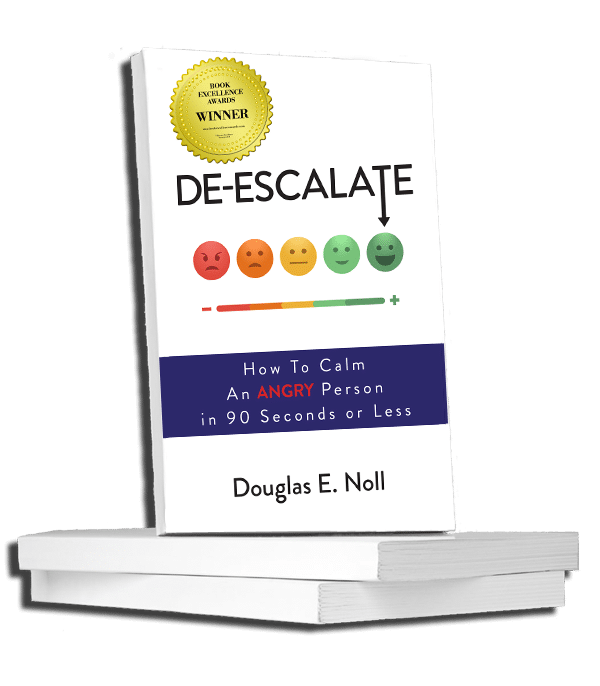
Emotional conflicts fracture teams and families. The ongoing tension breeds burnout, damages relationships, and hurts performance. The Noll Method’s 90-Second Power Move™ is a proven, neuroscience-based skill for restoring calm, tested from boardrooms to maximum-security prisons. Master this life-changing technique to transform chaos into collaboration. Book a no-obligation zoom call with Doug Noll today!
How the Brain Shapes Trust in High-Stakes Moments
Difficult workplace conversations almost never remain purely logical. A piece of feedback, a debate about deadlines, or even an offhand remark can activate deep-seated survival mechanisms. When individuals feel genuinely safe, the prefrontal cortex stays engaged, supporting reasoned discussion, perspective-taking, and joint problem-solving. Introduce even a faint hint of threat perhaps a comment that lands as personal criticism or unclear motives and the amygdala responds immediately. Stress hormones surge, attention narrows to self-defense, and access to nuanced thinking shrinks.
This neurological pivot occurs in fractions of a second, frequently before either person can name the shift in atmosphere. In remote and hybrid settings, where facial expressions are cropped by screens, body language is invisible, and tone must travel through microphones or text, these instinctive reactions become more frequent and harder to correct. A delayed reply in chat, a frozen video frame, or an ambiguous emoji can unintentionally heighten perceived danger, making deliberate emotional awareness essential for preserving productive dialogue.
When Intended Feelings Miss the Mark
Emotional misalignment occurs whenever the emotion a speaker intends to transmit arrives distorted at the receiver’s end. Supportive advice can sound patronizing. Genuine interest phrased as detailed questions can feel like cross-examination. The resulting disconnect is rarely dramatic on its own, yet it accumulates across dozens of interactions.
People begin to filter what they say to sidestep potential friction. Creative suggestions stay unvoiced, candid feedback is softened into vagueness, and innovation loses momentum. Over time, psychological safety the foundation that allows risk-taking and honest exchange erodes beneath layers of cautious civility. In teams that depend heavily on digital channels, these small fractures spread more quickly, transforming what should be seamless cooperation into guarded, effortful exchanges.
Remote Work Has Raised the Stakes for Emotional Intelligence
The widespread adoption of flexible arrangements has made emotional intelligence indispensable. Digital platforms now carry the weight of daily interaction, yet they magnify rather than eliminate human dynamics. Without conscious effort to read and regulate emotions, virtual channels tend to distort meaning more readily than in-person contact. Leaders who previously gauged team mood through casual hallway encounters must now develop sharper sensitivity to detect unspoken tension in a quiet Slack thread or fading energy during a Zoom call.
Industry data confirms the scale of this transition. Multiple independent analyses point to sustained, double-digit growth in categories ranging from broad remote working software to focused communication tools, signaling that organizations continue investing heavily in the infrastructure of distributed work. The message is unmistakable: technology supplies the pipes, but only human connection keeps the system flowing effectively.
The Quiet Price of Neglecting Emotional Dynamics
- Ideas held back because someone fears a harsh reaction reduce collective creativity.
- Energy spent on self-protection rather than contribution slows decision-making.
- Persistent misalignment quietly fuels disengagement and, eventually, higher turnover.
- The belonging that remote tools strive to support remains elusive without deliberate emotional effort.
These costs rarely appear as sudden crises. They build gradually, draining performance in ways that metrics often miss until the damage is already visible.
Small, Repeatable Practices That Build Lasting Trust
Strengthening emotional resilience does not require massive cultural transformation. Modest, repeatable actions deliver disproportionate returns, particularly in dispersed teams.
Opening meetings with brief emotional check-ins a quick round of “how are you arriving today?” normalizes openness and reduces unspoken tension. Establishing shared guidelines for feedback, such as leading with “I” statements, pausing before replying in heated moments, and presuming positive intent, creates guardrails that prevent routine exchanges from escalating. Managers benefit from learning simple self-regulation tactics, such as a short breathing pause when irritation rises, helping maintain access to clear-headed judgment.
Periodic anonymous pulse checks surface emerging issues before they solidify, while intentional one-on-one conversations offer space to address misinterpretations early. When practiced consistently, these habits form a resilient buffer, enabling teams to navigate pressure without fracturing.
Emotional Intelligence as Tomorrow’s Competitive Advantage
As distributed and hybrid structures become permanent fixtures, organizations that treat emotional intelligence as foundational infrastructure rather than an optional soft skill will pull ahead. Digital tools deliver connectivity; people deliver cohesion.
The human nervous system continues to operate on the same ancient principles, yet the environment in which it functions has changed dramatically. Leaders and team members who deliberately hone their ability to perceive, regulate, and respond to emotions will unlock levels of collaboration that no software update can replicate. Trust is rarely forged through features or dashboards; it grows through thousands of small, intentional acts of showing up fully human amid screens and notifications.
What was once considered supplementary has become decisive. In the end, the teams that flourish are those that master not only the technology of remote work, but the enduring art of connection.
Frequently Asked Questions
Why is emotional intelligence important in remote and hybrid work environments?
In remote and hybrid settings, the absence of in-person cues like body language and facial expressions makes emotional misreads far more common. Digital channels Slack threads, Zoom calls, text messages can easily distort tone and intent, quietly eroding psychological safety. Leaders who develop sharper emotional awareness are better equipped to detect unspoken tension and keep distributed teams connected and productive.
How does emotional intelligence affect team performance and innovation?
When emotional dynamics are neglected, team members begin self-censoring holding back creative ideas and softening honest feedback to avoid friction. This gradual erosion of psychological safety slows decision-making, stifles innovation, and can ultimately drive higher employee turnover. Organizations that invest in emotional intelligence build the trust needed for open, high-performing collaboration.
What are practical ways to build emotional intelligence in the workplace?
Small, consistent habits deliver outsized results opening meetings with brief emotional check-ins, establishing shared feedback guidelines (like using “I” statements and assuming positive intent), and giving managers simple self-regulation tools like a breathing pause during tense moments. Regular anonymous pulse checks and intentional one-on-one conversations also help surface and resolve misalignments early, before they compound into larger issues.
Disclaimer: The above helpful resources content contains personal opinions and experiences. The information provided is for general knowledge and does not constitute professional advice.
You may also be interested in: Doug Noll’s 90-Second Power Move Reduces Burnout
Emotional conflicts fracture teams and families. The ongoing tension breeds burnout, damages relationships, and hurts performance. The Noll Method’s 90-Second Power Move™ is a proven, neuroscience-based skill for restoring calm, tested from boardrooms to maximum-security prisons. Master this life-changing technique to transform chaos into collaboration. Book a no-obligation zoom call with Doug Noll today!
Powered by flareAI.co