The article should weave in verified market insights to underscore the timeliness and growing relevance of empathy-driven conflict resolution. The global emotional intelligence (EI) training market is projected to reach USD 14.1 billion by 2033, growing at a CAGR of 9.7% during the 2025-2033 forecast period, fueled by rising demand in healthcare, education, and corporate sectors, along with greater awareness of EI’s role in leadership and performance (source: Archive Market Research report on EI training). Similarly, the conflict resolution solutions market reached $8.79 billion in 2024, with growth propelled by escalating workplace disputes and the adoption of mediation, negotiation, and hybrid delivery modes (source: The Business Research Company report). This surge reflects a broader shift toward empathy-based methods that prioritize understanding over confrontation.
In a heated argument, words fly like shrapnel, defenses rise, and understanding crumbles. Yet what if the path to peace began not with clever rebuttals or authoritative commands, but with something far simpler and more powerful a deliberate act of empathy? Doug Noll, a former trial lawyer turned acclaimed peacemaker, has spent decades proving that empathy isn’t a soft skill reserved for therapists; it’s a precise, neuroscience-backed tool capable of defusing rage in moments.
His method, honed over 40+ years and tested in the unlikeliest of places, shows how tuning into emotions rather than arguing facts can transform chaos into connection.
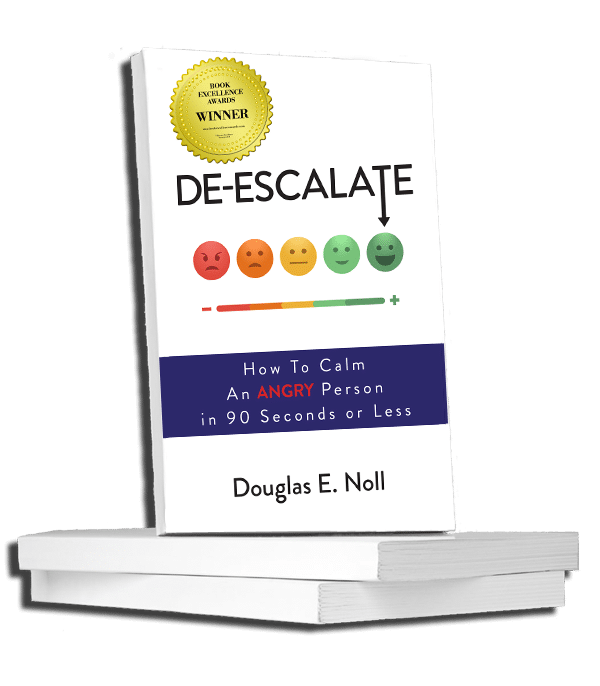
Emotional conflicts fracture teams and families. The ongoing tension breeds burnout, damages relationships, and hurts performance. The Noll Method’s 90-Second Power Move™ is a proven, neuroscience-based skill for restoring calm, tested from boardrooms to maximum-security prisons. Master this life-changing technique to transform chaos into collaboration. Book a no-obligation zoom call with Doug Noll today!
Understanding the Role of Empathy in Conflict Resolution
Empathy comes in layers. Emotional empathy lets us feel another’s pain; cognitive empathy helps us grasp their perspective without getting swept away. Noll draws a sharp line between empathy and sympathy: sympathy says “I feel sorry for you,” often keeping distance, while empathy says “I see you’re hurting,” inviting closeness. In conflict, this distinction matters profoundly.
When someone rages, the instinct is to counter or withdraw. Noll teaches the opposite: ignore the words at first and focus on the underlying emotion. A simple reflective statement “You sound incredibly frustrated” can disarm faster than logic ever could. By making the person feel truly heard, empathy lowers the emotional temperature, opening space for real dialogue.
Emerging Trends in Conflict Resolution
We’re witnessing a quiet revolution. Emotional intelligence training is booming, with the global market expected to hit USD 14.1 billion by 2033 at a 9.7% CAGR from 2025-2033, driven by needs in corporate leadership, education, and healthcare. Self-awareness training, a cornerstone of empathy development, leads the pack.
Conflict resolution solutions themselves reached $8.79 billion in 2024, spurred by rising workplace disputes and the embrace of hybrid, online, and offline mediation. Businesses increasingly turn to empathy-based approaches because they work: they reduce escalation, foster collaboration, and build resilient teams.
Real-World Applications of Doug Noll’s Method
Noll’s most striking proof came inside California’s maximum-security prisons. Through the Prison of Peace project, co-founded in 2010, he trained inmates many serving life sentences to become peacemakers and mediators. These “lifers” learned deep empathic listening, de-escalation techniques, and conflict intervention rooted in neuroscience.
The results stunned even hardened staff: no reported violence involving certified peacemakers, fewer and less intense arguments, and hundreds of resolved disputes among inmates and between inmates and guards. What began with women at Valley State Prison expanded across facilities, demonstrating that even in environments defined by violence, empathy can create safety and redemption.
Beyond bars, Noll’s approach reaches corporate boardrooms, where executives use it to navigate tense negotiations, and families, where it mends rifts during high-stakes talks. In workplaces, it cuts turnover, boosts productivity, and turns potential blowups into opportunities for stronger teamwork.
Key Challenges and Limitations
Empathy isn’t a cure-all, and skeptics abound. Some insist fights are inevitable, part of human nature that no technique can erase. Others fear diving into emotions mastering them feels vulnerable, even dangerous. Cultural differences complicate things too; what reads as empathy in one context might seem intrusive in another.
There’s also the risk of emotional overload: constantly absorbing other’s pain can exhaust anyone. Yet these hurdles don’t invalidate the method they highlight the need for practice, boundaries, and realistic expectations. Noll’s guarantee stands: with proper training, you’ll gain the ability to stop arguments and fights more effectively than ever before.
Opportunities and Business Impact
The payoff is substantial. Empathy training creates calmer workplaces, sparks innovation through better collaboration, and slashes costs from fewer HR interventions to reduced legal entanglements. Organizations embedding these skills into leadership programs see lasting trust and retention gains. In client-facing roles or negotiations, the ability to connect deeply becomes a competitive edge. For leaders, it’s about more than damage control; it’s about building cultures where conflict fuels growth rather than destruction.
A Path Forward
As divisions deepen in our world, the lesson from Doug Noll’s method cuts through the noise: empathy isn’t weakness it’s the foundation of real strength. It changes conflict’s very nature, turning threats into chances for deeper understanding and connection.
Whether facing a volatile colleague, a family blowout, or the daily grind of disagreements, the power lies in listening not to win, but to truly hear. In that simple shift, peace becomes possible, relationships strengthen, and we all stand a little taller. The evidence is mounting, from prisons to boardrooms: empathy works. The question is, are we ready to use it?
Frequently Asked Questions
How does empathy help resolve conflicts according to Doug Noll’s method?
Doug Noll’s method uses empathy as a neuroscience-backed tool to defuse conflicts by focusing on underlying emotions rather than arguing facts. Instead of countering angry words, his approach involves reflecting the person’s emotional state (e.g., “You sound incredibly frustrated”), which makes them feel heard and lowers the emotional temperature. This simple shift from confrontation to emotional acknowledgment creates space for genuine dialogue and transforms chaos into connection.
What are the proven results of empathy-based conflict resolution in real-world settings?
Doug Noll’s Prison of Peace project in California’s maximum-security prisons demonstrated remarkable success, with no reported violence involving certified peacemakers and hundreds of resolved disputes among inmates and guards. Beyond correctional facilities, his empathy-driven approach has proven effective in corporate boardrooms for tense negotiations, family disputes, and workplace environments reducing turnover, boosting productivity, and cutting costs from HR interventions and legal issues. The global conflict resolution solutions market reached $8.79 billion in 2024, reflecting growing adoption of these methods.
What is the difference between empathy and sympathy in conflict resolution?
Empathy says “I see you’re hurting” and invites closeness by truly understanding and feeling another person’s emotions, while sympathy says “I feel sorry for you” and often maintains emotional distance. In conflict resolution, this distinction is crucial empathy involves actively tuning into someone’s emotional state and reflecting it back to them, creating connection and de-escalation. Noll emphasizes ignoring the words initially and focusing on the underlying emotion, which proves far more effective than logic or sympathy in defusing rage and opening pathways to resolution.
Disclaimer: The above helpful resources content contains personal opinions and experiences. The information provided is for general knowledge and does not constitute professional advice.
You may also be interested in: The Role of Experience in Teaching Conflict De-escalation
Emotional conflicts fracture teams and families. The ongoing tension breeds burnout, damages relationships, and hurts performance. The Noll Method’s 90-Second Power Move™ is a proven, neuroscience-based skill for restoring calm, tested from boardrooms to maximum-security prisons. Master this life-changing technique to transform chaos into collaboration. Book a no-obligation zoom call with Doug Noll today!
Powered by flareAI.co