Quick Listen:
The modern workplace often resembles a high-stakes arena where deadlines press relentlessly, communications flood in ceaselessly, and subtle frictions between colleagues can erupt without warning. In this intense environment, one essential skill emerges as a transformative force: emotional regulation. As a fundamental aspect of emotional intelligence, it empowers individuals to temper their reactions, mitigate stress, and cultivate deeper bonds with coworkers. Far beyond a mere coping mechanism, mastering emotional regulation reshapes team dynamics and personal resilience, turning potential chaos into opportunities for growth and harmony.
Emotional conflicts fracture teams and families. The ongoing tension breeds burnout, damages relationships, and hurts performance. The Noll Method’s 90-Second Power Move™ is a proven, neuroscience-based skill for restoring calm, tested from boardrooms to maximum-security prisons. Master this life-changing technique to transform chaos into collaboration. Book a no-obligation zoom call with Doug Noll today!
Why Emotional Regulation Matters Now More Than Ever
In North American offices and beyond, stress and burnout have reached alarming heights, demanding urgent attention from leaders and employees alike. Drawing from authoritative sources, it’s clear that the toll is substantial. For instance, the American Psychological Association reports that in recent years, a notable segment of the workforce experiences ongoing tension during work hours, exacerbated by evolving factors such as artificial intelligence adoption, economic instability, and fluid role expectations. This surge in burnout is especially pronounced in demanding sectors like healthcare, where rates have climbed dramatically compared to pre-2020 baselines.
To counter this, companies are pivoting toward comprehensive strategies that prioritize mental health. Initiatives including mindfulness exercises, guided meditation, and specialized training in emotional regulation are becoming standard. This shift aligns with broader investments in emotional intelligence for executives and staff, acknowledging its direct link to enhanced teamwork, employee loyalty, and operational efficiency. When individuals harness their emotions adeptly, they navigate pressures with greater ease, engage in transparent dialogues, and build enduring trust crucial for thriving in blended remote-office setups or accelerated business paces.
Recent research underscores the critical role of emotional factors in professional well-being, particularly in high-risk fields. Studies reveal that the mental health of medical staff amid crises like the COVID-19 outbreak hinges on how they interpret threats, leverage personal strengths, and apply coping mechanisms. A key investigation involving over 200 healthcare workers in Poland during the pandemic’s early phase (March to May 2020) found that perceiving COVID-19 risks negatively correlated with overall psychological health, while resources rooted in personal meaning positively bolstered it. This highlights how emotional regulation can serve as a buffer, enabling professionals to maintain composure and effectiveness even under duress.
Market trends further validate this emphasis. The global emotional wellness market, valued at about $4.5 billion in 2023, is on track to expand to roughly $12.8 billion by 2032, driven by a robust 12.3% compound annual growth rate. Factors fueling this include heightened mental health consciousness, escalating mental disorder incidences, and the integration of wellness initiatives into daily life for better health and output. Public and private efforts are amplifying awareness through campaigns that dismantle stigmas, broadening access to services and propelling market demand.
Similarly, the global workplace wellness market stood at $53.8 billion in 2024 and is forecasted to advance at a 5% CAGR through 2034. This growth stems from corporate commitments to employee health, which yield perks like elevated energy, sharper focus, and lower absenteeism ultimately slashing non-productive time and boosting performance.
The emotional intelligence market is also surging, projected to grow from $10.29 billion in 2026 to $32.08 billion by 2035 at a 13.4% CAGR. This expansion reflects organization’s and individual’s recognition of EI’s value in fostering better decisions, interactions, and leadership. Demand spans corporate learning, healthcare, education, and therapy, spurred by the push for soft skills, mental health advocacy, and superior relational dynamics.
Real-World Impact: From Conflict to Collaboration
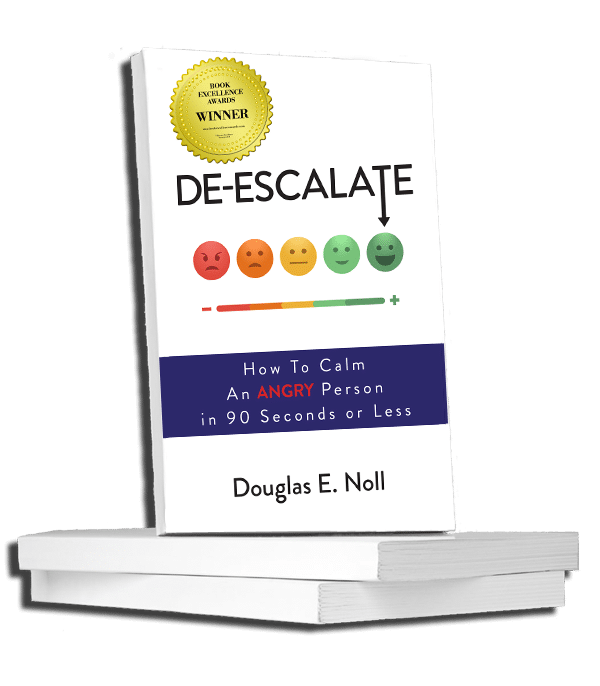
Picture a tense boardroom where a colleague’s outburst threatens to derail a crucial discussion emotions flare, productivity stalls. Yet, with de-escalation expertise, a leader can swiftly restore balance. Renowned mediator Douglas E. Noll’s 90-second de-escalation technique exemplifies this: by practicing affect labeling mirroring emotions neutrally, such as noting “You appear quite upset” while sidestepping inflammatory content, one can soothe neural responses. Backed by brain science, this method dampens emotional surges and engages rational thought, resolving flare-ups rapidly.
In sectors like technology and healthcare, where pressures intensify disputes, these tools are game-changers. Leaders employ them to neutralize arguments, safeguard alliances, and maintain momentum on initiatives. Teams embracing emotional regulation enjoy more robust interactions, heightened contentment, and minimal interruptions, as evidenced by various implementations.
Empirical data supports these benefits. Programs honing emotional abilities, including regulation and empathy, deliver sustained enhancements in skills, persisting long after sessions conclude. Entities implementing such training witness drops in staff churn, spikes in involvement, and superior results. Analyses indicate that focused EI strategies can improve dialogue and tension handling, with some organizations noting 20-30% uplifts in participation and loyalty figures.
Extending this, emotional regulation fosters environments where collaboration flourishes naturally. By addressing feelings proactively, professionals prevent minor issues from escalating, leading to innovative problem-solving and mutual respect. In practice, workshops that incorporate real-time scenarios help participants internalize these habits, making them second nature in daily exchanges.
The Hurdles: Why It’s Not Always Easy to Implement
While the advantages are compelling, introducing emotional regulation programs isn’t without challenges. Resistance often arises, with some dismissing it as overly sentimental or irrelevant to core duties. Smaller enterprises may lack the budget or expertise, and evaluating program efficacy remains complex, especially in distributed teams where nonverbal signals are obscured.
Moreover, there’s a danger in viewing these efforts as mere band-aids, overlooking root causes like overwhelming demands or ineffective oversight. True success demands addressing these holistically.
To navigate barriers, strategic approaches are key. Customizing curricula to align with organizational ethos, embedding them in executive growth tracks, and launching with trial cohorts can foster acceptance. When leaders exemplify poise in crises, it motivates widespread adoption, creating a ripple of positive change.
Additional considerations include cultural sensitivities and inclusivity, ensuring training resonates across diverse groups. Ongoing feedback loops can refine offerings, turning potential skeptics into advocates through demonstrated value.
The Bigger Payoff: Stronger Teams and Smarter Business
Once embedded, emotional regulation unleashes cascading benefits. Groups operate with greater synergy, conflicts diminish, and confidence strengthens. As psychological health elevates, absences decrease, and output soars individuals channel energy more effectively without emotional exhaustion sapping their focus.
Economically, the returns are tangible: diminished medical expenses, streamlined dispute handling, and enhanced talent retention. These elements fortify organizations against volatility, positioning them for sustained achievement.
Beyond metrics, the human element shines workplaces become supportive havens where innovation thrives amid empathy. Leaders who champion this see not just financial gains but a more fulfilled, cohesive workforce ready to tackle complexities.
Looking Ahead: A More Emotionally Savvy Workplace
Emotional regulation is solidifying as a cornerstone competency, particularly with enduring remote models and amplified mental health focus. Visionary executives will integrate it seamlessly into development agendas, nurturing atmospheres of candid exchange and aid.
Actionable steps for leaders include pledging to perpetual learning, promoting safe spaces for vulnerability, and monitoring indicators like morale surveys or stress metrics. Incremental actions can amplify impacts, evolving high-pressure zones into realms where everyone feels acknowledged and empowered.
Ultimately, regulating emotions doesn’t erase obstacles but arms us with poise and unity to surmount them. This prowess is the linchpin for transcending mere endurance at work to genuine flourishing, benefiting individuals and enterprises alike.
Frequently Asked Questions
What is emotional regulation and why does it matter in the workplace?
Emotional regulation is the ability to manage and respond to your emotions effectively, particularly under pressure. In the workplace, it helps professionals navigate stress, prevent conflicts from escalating, and build stronger relationships with colleagues. Organizations investing in emotional regulation training see measurable benefits including 20-30% improvements in employee engagement, reduced turnover, and enhanced team collaboration.
How can leaders use emotional regulation to de-escalate workplace conflicts?
Leaders can apply techniques like the 90-second de-escalation method, which involves affect labeling calmly acknowledging someone’s emotions (e.g., “You seem frustrated”) without engaging with inflammatory content. This neuroscience-backed approach helps calm emotional responses and activates rational thinking, allowing conflicts to resolve quickly. When leaders model emotional composure during crises, it creates a ripple effect that encourages teams to adopt similar practices.
What are the business benefits of implementing emotional regulation training?
Companies that implement emotional regulation programs experience tangible returns including reduced healthcare costs, lower absenteeism, improved productivity, and better talent retention. The global workplace wellness market, valued at $53.8 billion in 2024, reflects growing corporate investment in these initiatives. Beyond financial metrics, emotionally regulated workplaces become supportive environments where innovation thrives, psychological safety increases, and employees channel their energy more effectively without emotional exhaustion.
Disclaimer: The above helpful resources content contains personal opinions and experiences. The information provided is for general knowledge and does not constitute professional advice.
You may also be interested in: Why Conflict Resolution Training Works Despite Skepticism
Emotional conflicts fracture teams and families. The ongoing tension breeds burnout, damages relationships, and hurts performance. The Noll Method’s 90-Second Power Move™ is a proven, neuroscience-based skill for restoring calm, tested from boardrooms to maximum-security prisons. Master this life-changing technique to transform chaos into collaboration. Book a no-obligation zoom call with Doug Noll today!
Powered by flareAI.co