Picture this: You step into a conference room or a virtual call and sense immediately that something’s off. Deadlines are pressing, opinions clash, and a routine discussion spirals into outright friction. What separates teams that shatter under pressure from those that emerge stronger? Often, it’s a leader’s keen ability to detect not just the spoken words, but the underlying emotions fueling them.
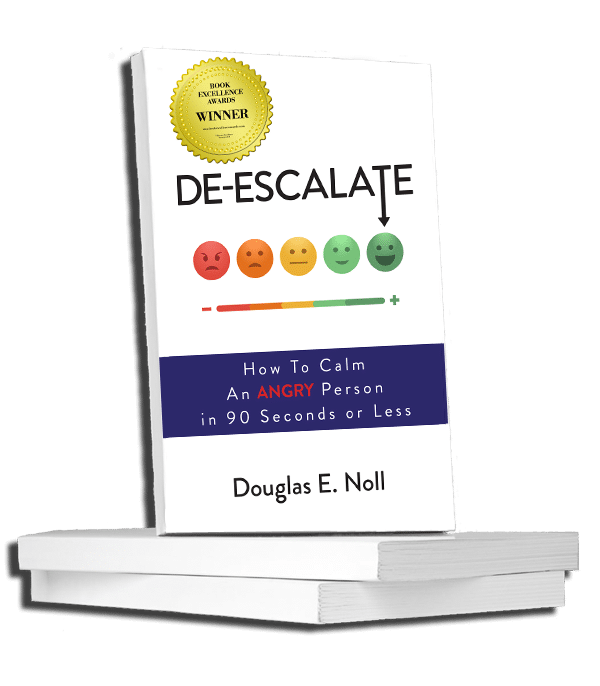
Emotional conflicts fracture teams and families. The ongoing tension breeds burnout, damages relationships, and hurts performance. The Noll Method’s 90-Second Power Move™ is a proven, neuroscience-based skill for restoring calm, tested from boardrooms to maximum-security prisons. Master this life-changing technique to transform chaos into collaboration. Book a no-obligation zoom call with Doug Noll today!
Building Trust with Employees: Harnessing Emotional Awareness for Stronger Workplace Relationships
In an era of hybrid work and relentless change, trust remains the bedrock of high-performing teams. It’s not forged through bonuses or lofty speeches alone, but through consistent, authentic recognition of human emotions. Emotional awareness, the foundation of emotional intelligence, empowers leaders to turn potential conflicts into opportunities for deeper connection and collaboration.
Top leaders recognize that true performance drivers often hide in plain sight but not on spreadsheets. As highlighted in a recent Forbes article, results emerge from subtle signals: a shift in tone during a call, a sudden drop in energy, an unusually long pause, or a message that lands awkwardly. Mastering these cues distinguishes exceptional leaders, enabling them to foster trust and prevent small issues from escalating.
This isn’t mere intuition; it’s a skill backed by substantial market growth. The global corporate leadership training market, valued at USD 33.90 billion in 2023, is projected to reach USD 72.65 billion by 2032, growing at a compound annual growth rate (CAGR) of 8.95%. North America leads with over 52% market share, driven by recognition that effective leadership directly bolsters organizational financial health, employee engagement, productivity, and retention.
The Surging Demand for Emotional Intelligence Training
At the heart of this expansion lies emotional intelligence (EI). The dedicated emotional intelligence market is expected to grow from USD 10.29 billion in 2026 to USD 32.08 billion by 2035, achieving a robust CAGR of 13.4%. This rapid rise reflects widespread acknowledgment of EI’s role in personal and professional growth helping individuals understand, manage, and respond to emotions for improved decision-making, communication, and leadership.
Organizations in sectors like corporate training, healthcare, education, and mental health services are leading the charge. Heightened awareness of mental health, coupled with demand for superior interpersonal skills amid technological disruption and globalization, fuels this trend. Leaders equipped with emotional awareness navigate uncertainty adeptly, transforming challenges into collaborative triumphs.
These investments aren’t altruistic; they’re strategic. Companies face evolving business environments where adaptability is paramount. Emotional awareness equips leaders to guide teams through these shifts, enhancing resilience and innovation.
Emotional Awareness in Action: Real-World Transformations
The power of emotional awareness shines brightest in practice. In demanding corporate settings, leaders trained in EI techniques de-escalate tensions by accurately reflecting emotions labeling anger, fear, or disappointment without bias. This simple yet profound act makes individuals feel truly heard, rapidly diffusing hostility and rebuilding trust.
One particularly effective method involves specialized skills for deep emotional listening, even amid intense conflict. Drawing from more than four decades of expertise including groundbreaking work training life-sentenced prisoners to halt prison violence a pioneering approach teaches anyone to interrupt and redirect arguments swiftly. The outcome? Dramatically reduced disputes, elevated team morale, and unbreakable cohesion.
Such skills prove invaluable across leadership contexts. By proactively identifying emotional cues through structured check-ins or open dialogues, leaders cultivate psychological safety. Teams thrive in environments where innovation flourishes, ideas flow freely, and vulnerabilities are shared without fear directly correlating to superior performance.
Workplace mediation offers further proof. Skilled mediators, proficient in emotional awareness, guide parties beyond superficial disagreements to core feelings, restoring trust in diverse industries ranging from healthcare and education to real estate and beyond. These applications aren’t theoretical. They deliver tangible shifts in team dynamics, turning high-stakes pressure into productive synergy.
Addressing Common Obstacles Head-On
Despite the evidence, skepticism persists. Many leaders question whether these techniques hold up in fast-paced, high-pressure environments. Others view conflicts as unavoidable facets of human interaction, destined to persist. A deeper hesitation often lurks: the discomfort of confronting emotions, fearing it exposes vulnerability or erodes authority.
These concerns, while valid, miss the mark. Proven methods demonstrate that arguments aren’t inevitable they can be reliably stopped and reframed. Far from signaling weakness, emotional mastery projects profound strength, earning genuine respect from peers and reports alike.
Organizational hurdles compound the challenge. In traditional or rapid-fire cultures, emphasizing emotions over tasks can encounter pushback. Striking the right balance between empathy and accountability demands deliberate practice. Yet the rewards a more adaptive, resilient workplace far outweigh the initial resistance.
The Compelling Return on Investment
Business leaders crave metrics, and emotional awareness delivers. Teams attuned to emotions communicate with clarity, collaborate effortlessly, and innovate boldly. Trust directly curbs turnover: valued employees stay loyal. Engagement soars, translating to measurable productivity gains.
Broader impacts emerge in organizational culture. Investments in EI yield inclusive, trustworthy environments capable of weathering storms. In hybrid and remote setups, where body language is limited, heightened emotional awareness becomes essential for sustaining meaningful connections.
Ultimately, these skills represent a competitive edge. As globalization and technology accelerate change, emotionally intelligent organizations outperform rivals in talent retention, adaptability, and overall results.
Embracing the Future of Leadership
Looking ahead, emotional intelligence will define leadership excellence. Diversifying workforces and evolving markets demand leaders who prioritize human elements alongside strategic ones.
Success hinges on consistent application: small, intentional acts of attentiveness that compound into profound trust. Perfection isn’t required commitment is. Commit to deep listening, precise emotional reflection, and guaranteed conflict resolution.
These capabilities aren’t innate gifts reserved for the few; they’re learnable skills with a track record of transformation. No one else teaches them quite like this with unique depth, proven results, and an unwavering guarantee. Ready to elevate your team’s trust and performance? Discover the difference at dougnoll.com. Your stronger, more cohesive workplace starts today.
Frequently Asked Questions
How can emotional awareness help build trust with employees?
Emotional awareness is key to building trust in the workplace. Leaders who understand and acknowledge the emotions behind team members’ actions can prevent small issues from escalating into conflicts. By reflecting emotions and practicing active listening, leaders foster an environment of mutual respect and collaboration, which strengthens trust and enhances team performance.
What are the benefits of emotional intelligence training for leaders?
Emotional intelligence (EI) training empowers leaders to better manage emotions, both their own and their team’s, which improves communication, decision-making, and conflict resolution. This leads to enhanced employee engagement, higher productivity, and stronger team cohesion, contributing to a more adaptable and resilient workplace.
Can emotional awareness improve conflict resolution in the workplace?
Yes, emotional awareness plays a crucial role in conflict resolution. By recognizing the emotional undercurrents of a situation, leaders can de-escalate tensions and guide their teams to a resolution. This approach not only diffuses conflicts quickly but also fosters long-term trust and cooperation, helping teams thrive under pressure.
Disclaimer: The above helpful resources content contains personal opinions and experiences. The information provided is for general knowledge and does not constitute professional advice.
You may also be interested in: Emotional Validation-The Key To Solving All Workplace Conflicts
Emotional conflicts fracture teams and families. The ongoing tension breeds burnout, damages relationships, and hurts performance. The Noll Method’s 90-Second Power Move™ is a proven, neuroscience-based skill for restoring calm, tested from boardrooms to maximum-security prisons. Master this life-changing technique to transform chaos into collaboration. Book a no-obligation zoom call with Doug Noll today!
Powered by flareAI.co