Is Empathy a Weakness? Answering the Pushback
Why critics of empathy are right about the soft version, and wrong about the skill
Is empathy a weakness in leadership? No, although much of what has been taught as empathy deserves the criticism. Douglas E. Noll argues that the "empathy is weakness" pushback targets a soft, vague version of empathy built on being nice, avoiding conflict, and lowering standards. Leadership empathy, as he defines it, is a precise, neuroscience-based skill of accurately naming what people feel so their threat response settles and they can think, perform, and accept hard decisions. It is compatible with high standards, accountability, and tough calls, and research links it to stronger leadership performance.
Key takeaways
- Many leaders believe empathy makes them look weak; in a 2024 Businessolver study, 63 percent of CEOs said they feel they'll be challenged or viewed as weak for showing empathy at work.
- DDI's assessment research on more than 15,000 leaders found empathy was the most critical driver of overall leadership performance.
- The critics are right that "empathy" taught as niceness, conflict avoidance, or agreement is ineffective.
- Leadership empathy is precision, reading the room accurately and regulating it, rather than agreement, sympathy, or softness.
- Leaders who combine high standards with high empathy tend to outperform those who prioritize only one.
The empathy paradox
Empathy became a corporate buzzword in the 2010s, appearing in values statements and HR programs, and a backlash followed almost immediately.
The sharpest version came in February 2025, when Elon Musk said on Joe Rogan's podcast that "the fundamental weakness of Western civilization is empathy" and described an "empathy exploit." Many successful executives share a version of that view, believing empathy clouds judgment, invites manipulation, and gets in the way of hard decisions.
The data points the other way. DDI's assessment research covering more than 15,000 leaders across hundreds of organizations and eighteen countries reported that "overwhelmingly, empathy tops the list as the most critical driver of overall performance," while only about 40 percent of frontline leaders were proficient or strong in it. In 2024, Businessolver's State of Workplace Empathy study found that 63 percent of CEOs feel they'll be challenged or viewed as weak for demonstrating empathy at work.
The skill research links most strongly to performance is the skill nearly two-thirds of CEOs worry will make them look weak, so the thing that works is the thing they avoid.
Where the critics are right
Part of the critique is correct, because much of what has been taught as "empathy" in organizations is soft, vague, and ineffective. It often amounts to:
- being nice instead of being clear;
- avoiding conflict instead of resolving it;
- agreeing with feelings instead of acknowledging them;
- treating everyone the same regardless of performance;
- delaying hard decisions to spare feelings.
Empathy defined that way would damage organizations, since it fails to hold people accountable, fails to drive performance, and can be exploited. What the critics are describing is sympathy and conflict avoidance wearing empathy's name.
What leadership empathy is
Leadership empathy is precision rather than softness. It means reading the room accurately instead of guessing, naming what someone is experiencing so their nervous system settles and their thinking brain comes back online, and making hard decisions in ways that preserve dignity and trust.
You can name a person's frustration and still deliver the layoff, and you can acknowledge an executive's fear and still hold the deadline. Acknowledgment is often what makes the hard message land, because a person under threat cannot process it.
The softer the response, the stronger the effect
When someone comes at you with anger or aggression, every instinct says to defend, counter, and hold your ground, the hard-style response most institutions reward, which escalates and leaves winners and losers carrying their wounds into the next fight.
The alternative looks like weakness and works better. When someone is furious, you skip the defense and name what they feel: "You're angry. You feel disrespected. You feel like none of this is fair." Neuroscience research on affect labeling shows that putting feelings into words reduces activity in the amygdala, the brain's threat detector, and engages regulatory regions of the prefrontal cortex. In my experience, an accurate label delivered with full attention can make an unreachable person reachable in about ninety seconds, without your agreeing or giving in.
I spent twenty-two years as a commercial trial lawyer and know the hard style at its most sophisticated, and I left it in 2000 because I found something more effective than winning.
Common objections, answered
"Empathy will make me a pushover."
Acknowledging an emotion commits you to nothing, since "You're frustrated that the budget was cut" is a different statement from "I'll restore the budget." Leaders who practice empathy precisely find people accept decisions more readily, because they feel heard even when they do not get what they want.
"I'll open a Pandora's box of emotions I can't control."
The emotions are already in the room driving behavior, and naming them is what reduces their intensity. Unnamed emotions go underground and resurface as disengagement, passive resistance, and attrition.
"Empathy can be weaponized."
Any skill can be misused, and manipulation usually fails because people sense when they are being managed rather than heard. The larger risk runs the other way, since leaders without the skill are easier to manipulate when they cannot read what drives the people in front of them.
"We tried empathy training and it didn't work."
What was usually tried was politeness, sympathy, or generic active listening, while specific, practiced behaviors such as the A.R.A. framework produce observable change.
"There's no time for this."
Acknowledging an emotion takes seconds, while unresolved conflict takes weeks and regretted attrition takes quarters.
Where this argument was tested
I refined these techniques in high-stakes commercial mediation and, from 2010 to 2020, inside maximum-security prisons through Prison of Peace, where showing empathy could get you hurt. More than 3,000 incarcerated people learned the skill, and rival gang members mediated disputes instead of fighting. If empathy were weakness, it should have failed there first.
The real choice
The ruthless leader who ignores emotions gets higher turnover, more toxicity, less innovation, and teams that run on fear instead of commitment. Hard challenges call for more precision in how we practice empathy rather than less empathy.
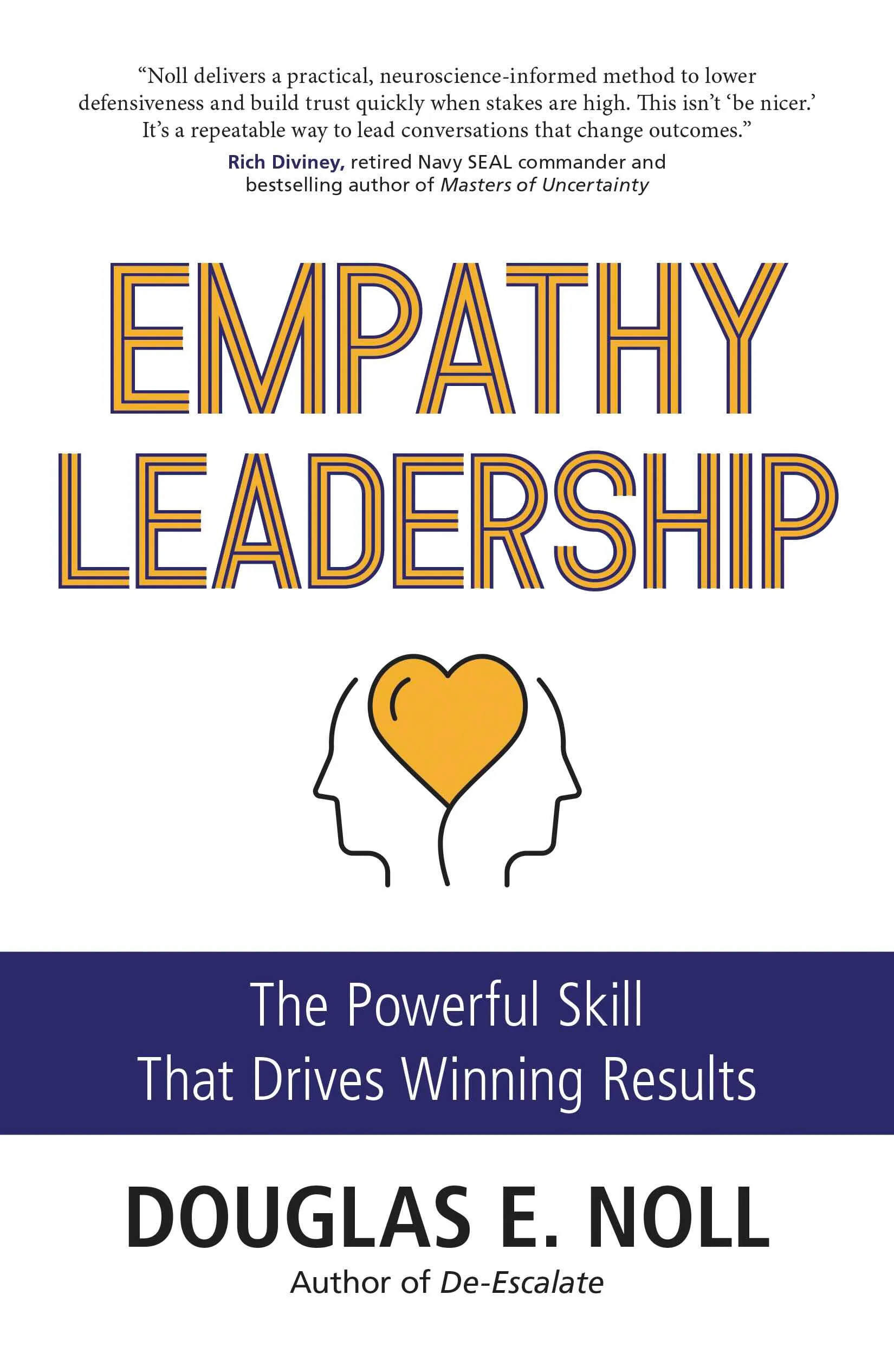
The 63 percent of CEOs who worry empathy makes them look weak are right to be cautious and are working from an outdated definition. My book Empathy Leadership: The Powerful Skill That Drives Winning Results is written for them.
Frequently asked questions
Is empathy a weakness in leadership?
No. Doug Noll argues that the criticism targets a soft version of empathy, being nice, avoiding conflict, or agreeing. Leadership empathy is the precise skill of naming what people feel so they can think clearly. It is compatible with high standards and hard decisions, and DDI research on more than 15,000 leaders ranked empathy as the most critical driver of overall leadership performance.
Why do leaders think empathy makes them look weak?
Decades of business culture treated emotional restraint as strength and emotion as unprofessional. A 2024 Businessolver study found that 63 percent of CEOs feel they'll be challenged or viewed as weak for showing empathy at work.
What is the difference between empathy and sympathy at work?
Sympathy expresses your feelings about someone's situation ("I'm so sorry"). Empathy, as Doug Noll teaches it, accurately names their experience ("You're frustrated and you feel blindsided"). Empathy does not require agreement or changing a decision.
Can an empathetic leader still make tough decisions?
Yes. You can acknowledge someone's fear and still hold the deadline, or name their frustration and still deliver hard news. Acknowledgment often makes difficult messages land, because a person under threat cannot process them.
What did Elon Musk say about empathy?
In a February 2025 interview with Joe Rogan, Musk said "the fundamental weakness of Western civilization is empathy" and described an "empathy exploit." Doug Noll responds that this critique applies to vague, conflict-avoidant empathy, not to empathy practiced as a precise skill.
Related frameworks
- Affect Labeling and Leadership
- The A.R.A. Framework: Acknowledge, Reflect, Ask
- Prison of Peace
- The 95/5 Brain
- Empathy Leadership (book)
References
- Development Dimensions International (DDI). High-Resolution Leadership: A synthesis of 15,000 assessments into how leaders shape the business landscape (2016). https://www.ddi.com/hirezleadership
- Businessolver. (2024, August 28). 2024 State of Workplace Empathy study: barriers to mental wellbeing at work. https://businessolver.com/news/new-data-shows-toxic-workplaces-and-stigmas-linked-to-surge-in-employee-mental-health-issues/
- Lieberman, M. D., Eisenberger, N. I., Crockett, M. J., Tom, S. M., Pfeifer, J. H., & Way, B. M. (2007). Putting feelings into words: Affect labeling disrupts amygdala activity in response to affective stimuli. Psychological Science, 18(5), 421-428. https://doi.org/10.1111/j.1467-9280.2007.01916.x
- Noll, D. E. (2026). Empathy Leadership: The Powerful Skill That Drives Winning Results. New York / Portland, OR: Atria Paperback / Beyond Words (Simon & Schuster). https://dougnoll.com/books/empathy-leadership
About the author
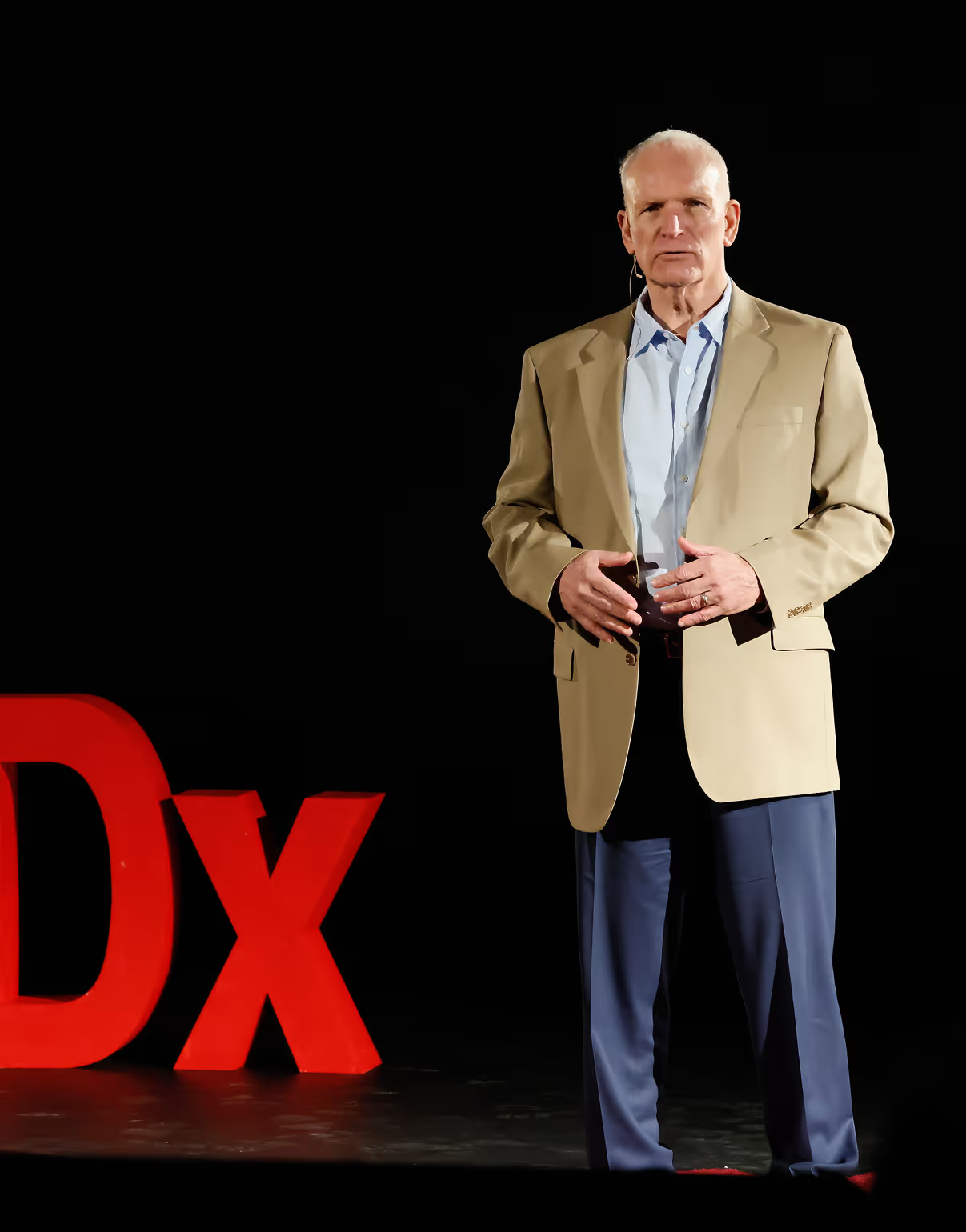
Douglas E. Noll, JD, MA is a mediator, peacemaker, and leadership advisor. He practiced as a commercial trial lawyer for twenty-two years before turning full time to mediation in 2000 and has since mediated more than 1,500 disputes. He is a Distinguished Fellow of the International Academy of Mediators, an adjunct professor at Pepperdine University's Straus Institute for Dispute Resolution, and co-founder of Prison of Peace. He is the author of five books, including Empathy Leadership: The Powerful Skill That Drives Winning Results (Simon & Schuster, 2026) and De-Escalate: How to Calm an Angry Person in 90 Seconds or Less (2017), and host of the Listening with Leaders podcast. His TEDx talk is "Listen Someone Into Existence." Contact Doug.