6 Hidden Reasons You're Getting Along With Difficult People All Wrong


The team lead had read everything available on getting along with difficult people and none of it was working with his specific difficult peer.
He had tried finding common ground. He had tried managing his own reactions. He had tried reframing. He had tried matching the peer's communication style. He had tried direct conversation about the pattern. Six months in, the relationship was worse than when he started.
The standard advice treats difficult people as a general category. The actual relationships that require intervention are specific. Here are the six hidden reasons the standard getting-along advice fails, with the alternative approach that works.
1. The advice assumes the difficult person wants a better relationship with you
Most getting-along advice assumes a mutual desire for improvement. In many actual difficult relationships, one party is content with the status quo. They are getting something from the current dynamic that they do not want to give up.
If the difficult person is content, your attempts to improve the relationship will be met with specific resistance. Not hostility. A kind of friendly stonewalling. The resistance looks like reasonableness and it defeats every standard intervention.
The alternative approach is to accept that the relationship may not improve substantively and to focus on making it functional. Functional does not require mutual investment. It just requires one party operating with specific protocols.
2. The advice ignores the structural incentives in your workplace
Workplace difficult relationships are not purely interpersonal. They are shaped by specific structural incentives. If your difficult peer is competing with you for the same promotion, finite resource, or executive attention, no amount of relationship work will fix it. The structure is driving the behaviour.
The alternative approach is to address the structure, not the relationship. Can the resource competition be resolved? Can the promotion track be clarified? Can the executive relationships be deconflicted? Structural intervention is almost always faster and more durable than relational intervention when the structure is actually the cause.
3. The advice assumes clear communication solves the problem
Standard advice emphasises direct communication as the solution. In actual difficult relationships, the problem is often that direct communication produces a specific response that makes things worse. The difficult person uses direct communication as ammunition.
The alternative approach is to assess whether direct communication is safe with this specific person before deploying it. If the person has a history of using honest communication against the people who provide it, direct communication is not the right tool. Documented, procedural, formal communication is.
4. The advice treats symptoms rather than the specific trigger
Getting-along advice tends to be general. "Listen more actively." "Manage your tone." "Find common ground." These are symptoms, not interventions. The actual difficult pattern usually has a specific trigger, and until you identify the trigger you cannot address it.
The alternative approach is to catalogue the specific moments when the difficult behaviour appears. In meetings? Over email? When specific topics come up? With specific other people present? The pattern almost always has a trigger, and the trigger is the actual intervention point.
If a function is losing an average of eight hours a week across two senior people who cannot work together productively, that is roughly $830,000 a year at senior hourly rates. The exact number is a two-minute input in Doug's cost of conflict calculator.
5. The advice does not account for your own role in the dynamic
Most getting-along advice treats the difficult person as the source of the difficulty. In actual difficult relationships, both parties are usually contributing to the dynamic in ways that neither sees clearly.
The alternative approach is to ask a specific question of three trusted colleagues who have observed the relationship. "What do I do in interactions with this person that contributes to the difficulty?" The answers are often uncomfortable and almost always actionable. Your own contribution to the dynamic is the part you can actually control.
6. The advice does not include a specific exit threshold
Standard advice implies that patience and persistence will eventually produce a better relationship. In actual difficult relationships, this is sometimes false. Some relationships cannot be fixed and should not be invested in indefinitely.
The alternative approach is to set a specific exit threshold before starting the intervention. "I will give this six months of concerted effort. If the specific metrics I care about have not improved by then, I will escalate to a structural solution." The threshold protects you from investing years in a relationship that was not going to improve.
Doug Noll teaches Decision-Making Under Stress and Conflict at Pepperdine's Straus Institute, has mediated complex business disputes for 25 years, and co-founded the Prison of Peace Project. His work on difficult relationships at work focuses on surfacing the specific hidden factors that make standard getting-along advice fail.
If you have a difficult relationship that standard advice has not improved, Doug runs a 20-minute diagnostic call to identify the specific hidden factors. Book 20 minutes with Doug.
The team lead's revised approach
He identified the specific trigger (budget-allocation meetings) and the specific structural factor (the two of them were competing for the same executive sponsor). He escalated the structural issue to his skip-level and got the sponsorship conflict resolved. The difficult behaviour reduced within two months, not because the relationship improved but because the structural incentive had changed.
For related reads, see how to deal with difficult people at work and the seven hidden causes of workplace conflict.
Getting along with difficult people is a specific diagnostic exercise, not a general discipline. The six alternative approaches above produce better outcomes than the standard advice across the widest range of actual difficult workplace relationships.
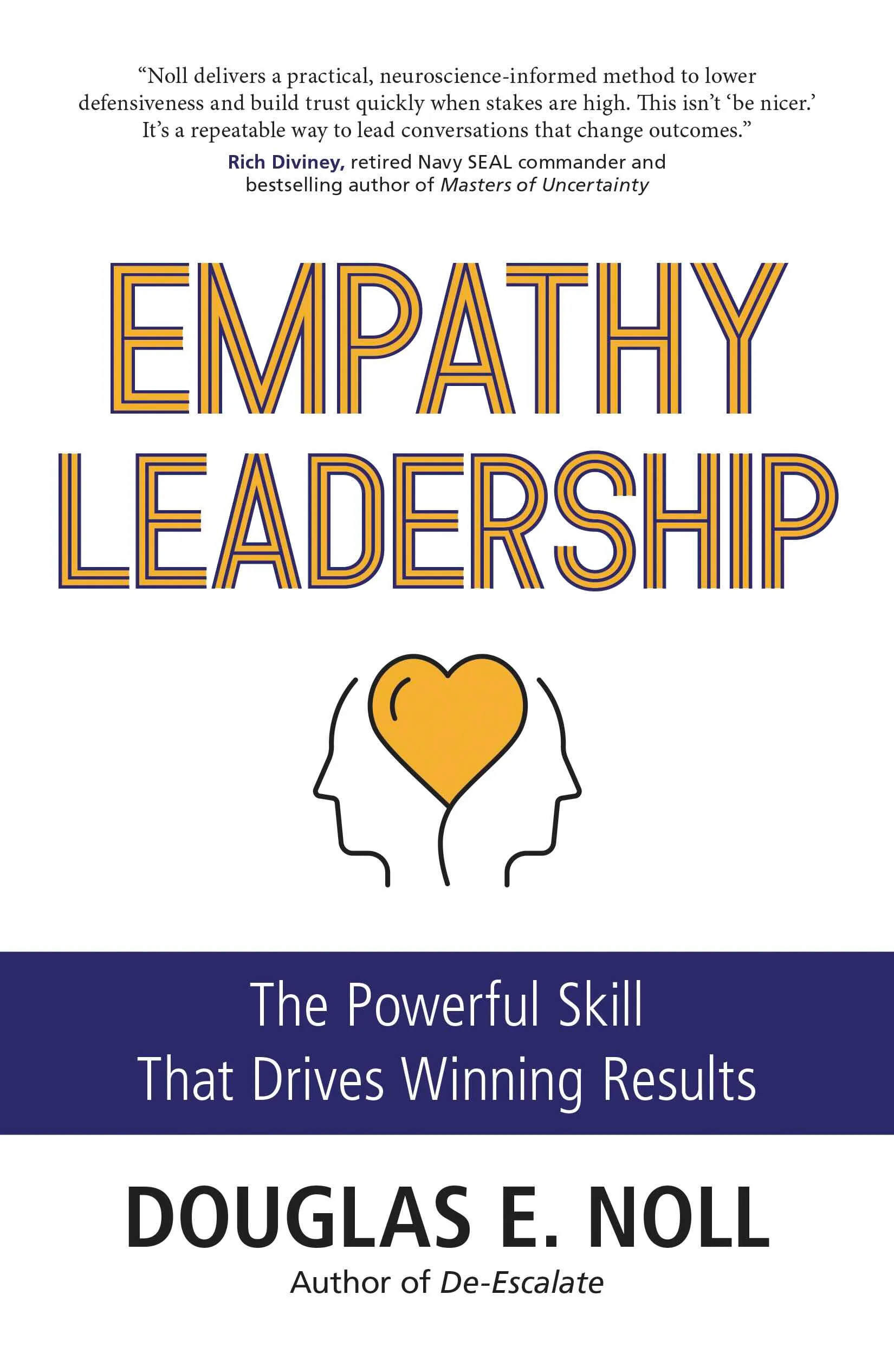
Empathy Leadership: The Powerful Skill That Drives Winning Results is out now. Order on Amazon, or if a 20-minute call would be more useful, Doug's calendar is here.
Emotional Competence Shapes Your Influence as a Leader
This 90-second emotional competence quiz will tell you how your emotions affect the way you are treated at work and how to gain the respect and influence you deserve as a leader.
Take the Free Assessment
Doug’s Books
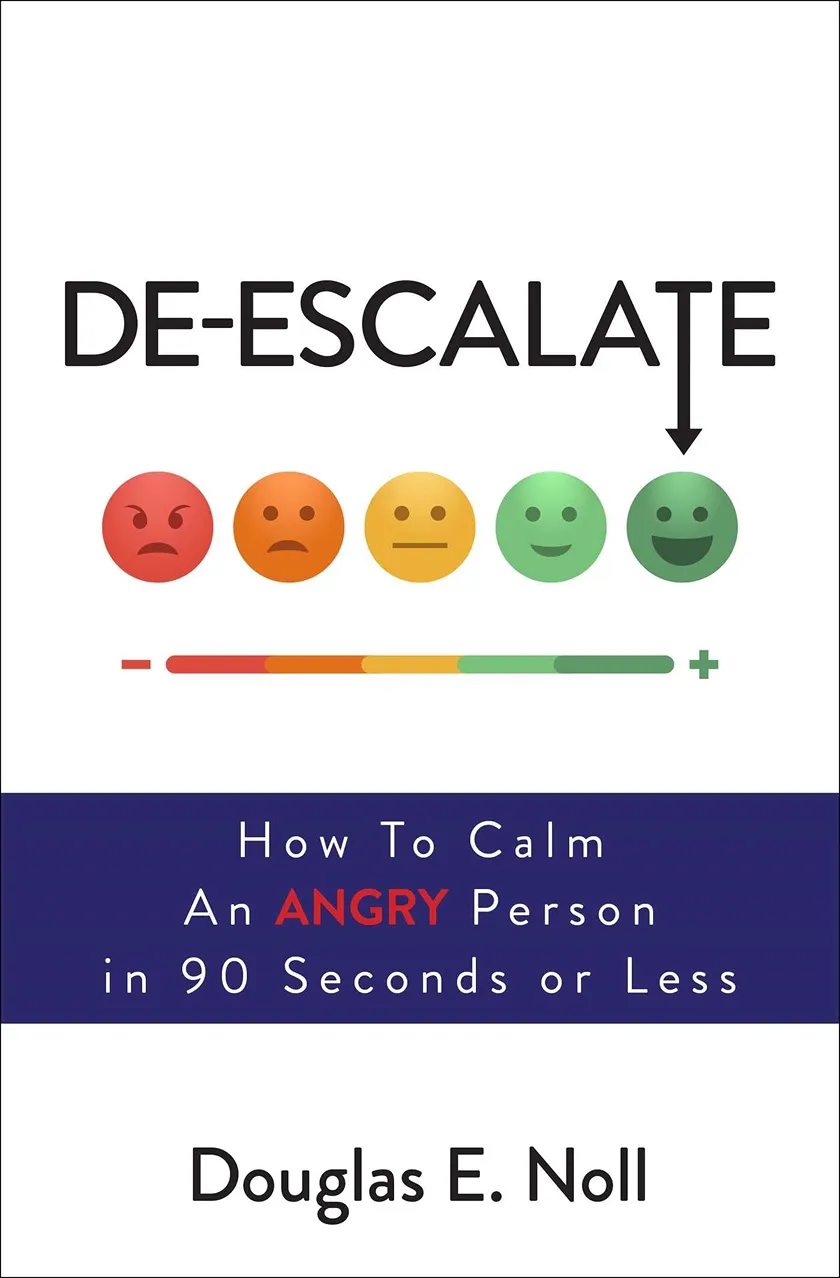
Doug has authored several books on affect labeling and emotional competency, including De-Escalate: How to Calm an Angry Person in 90 Seconds or Less, which won multiple awards and has been adopted by organizations worldwide.

More Blogs
View All