5 Powerful Reasons Your Real Cost of Workplace Conflict Is Higher Than You Think


The CFO asked for the real cost of workplace conflict and the CPO gave him the number she had been using for five years.
$47,000 per unresolved conflict, averaged across incidents. The CFO nodded, accepted the number, and signed off on the next tranche of conflict resolution training. Both of them knew the number was wrong. Neither of them knew by how much.
The actual number, when the CPO finally ran it properly six months later, was closer to $240,000 per unresolved executive conflict. The gap between the number she had been using and the actual number was where the budget conversations had been going wrong for five years.
Here are five powerful reasons your real cost of workplace conflict is higher than you think, and the free calculator that gives you the actual number for your team.
1. The direct time cost is only 20 to 30 percent of the total
Most workplace conflict cost estimates capture only the direct time cost. The hours the parties spent in the conflict, the hours managers spent dealing with it, the hours HR spent processing it.
This direct time cost is real and large. It is also typically only 20 to 30 percent of the actual cost of the conflict. The remaining 70 to 80 percent is the compounding downstream cost: decisions delayed, cross-functional projects slowed, attention taxed, discretionary effort reduced.
Any estimate that only captures the direct time cost is undercounting by a factor of three to five.
2. The attrition cost is often attributed to the wrong source
When a senior person leaves in the 12 months following an unresolved workplace conflict, the exit is almost never attributed to the conflict. The exit interview cites "career growth" or "new opportunity". The attrition cost gets logged under general turnover.
The actual cause is often the conflict. The specific mechanism is that senior people with options leave organisations where they have had bad conflict experiences, even if they do not say so.
Including conflict-adjacent attrition in the cost calculation moves most organisational conflict cost estimates up by 40 to 60 percent.
3. The decision-quality cost is almost never measured
Teams with unresolved conflict make measurably worse decisions than teams without. The specific mechanism is that cross-functional decisions in high-conflict teams receive less honest input, which produces worse decisions, which produce worse outcomes, which cost money.
The decision-quality cost is hard to measure directly but can be estimated from benchmark comparisons. Teams with resolved conflict typically make decisions that are 10 to 20 percent better by downstream outcome measurement than teams with unresolved conflict.
For an executive team making 50 material decisions a year, a 15 percent decision-quality tax is enormous. It is also invisible on any standard operational report.
4. The organisational-chill cost compounds across quarters
Each unresolved conflict in an organisation produces a specific chilling effect on the people who observed it. They raise fewer things, propose fewer initiatives, challenge fewer decisions. The chill compounds across quarters as new conflicts are observed and more chilling effects accumulate.
The organisational-chill cost is diffuse and hard to attribute to any single conflict. In aggregate it is often the largest single component of total conflict cost. Organisations with high chill operate at substantially lower effective capacity than organisations with low chill.
The free cost of conflict calculator at dougnoll.com starts with the direct time cost but allows you to add compounding factors that reflect your specific operational context. Most companies that run it with full inputs discover their actual conflict cost is three to five times what they had been estimating.
5. The customer-facing cost is often substantial
Executive teams with unresolved conflict produce specific downstream effects on customer-facing operations. Longer response times. More internal escalations before external action. Reduced coordination on customer issues that cross functions.
Depending on the organisation, the customer-facing cost of unresolved executive conflict can be the largest single component of the total. Companies with revenue dependent on cross-functional customer response are particularly exposed.
Doug Noll was 2014 Best Lawyers in America Lawyer of the Year for Alternative Dispute Resolution in Northern California. He teaches Decision-Making Under Stress and Conflict at Pepperdine's Straus Institute. His work on quantifying the actual cost of workplace conflict has been built into the free calculator that produces specific numbers for specific team configurations.
If you want to walk through the actual number for your organisation and what a conflict-resolution intervention would need to deliver to pay for itself, Doug runs a 20-minute diagnostic call. Book 20 minutes with Doug.
The CPO's second budget conversation
She ran the calculator with full inputs for a specific recent conflict. The number came back at $340,000 per unresolved executive conflict in her organisation. She presented the number and the methodology to the CFO. He approved a materially larger intervention budget than she had expected.
The intervention paid for itself within one quarter. The budget conversation the following year opened with the CFO asking whether she had the number she needed.
For related reads, see the hidden math of one avoided conversation and resolving workplace conflict without a lawsuit.
The real cost of workplace conflict is three to five times higher than most organisations estimate. The calculator produces the specific number for your team in under two minutes. The budget conversation gets easier when the number is accurate.
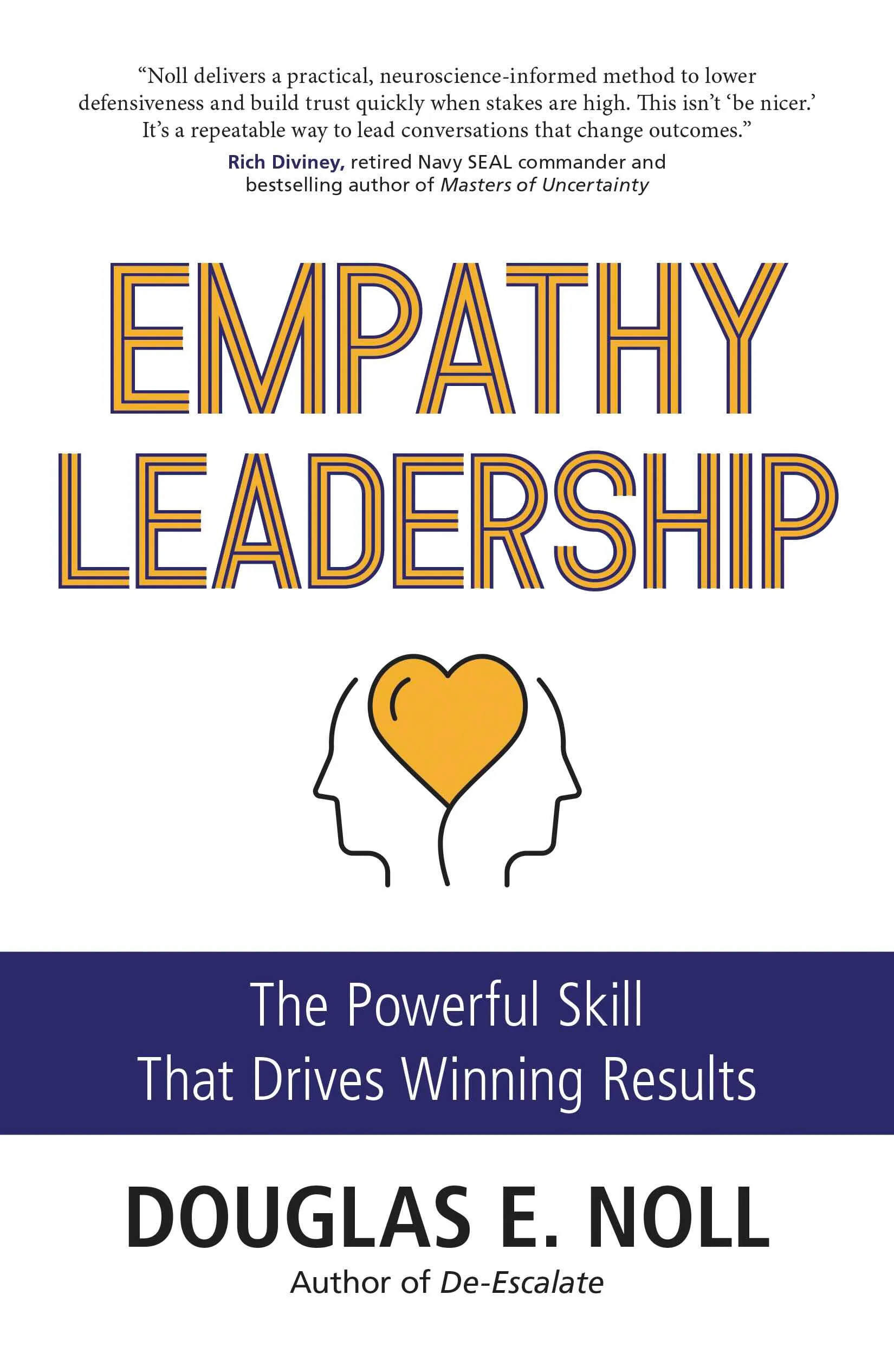
Empathy Leadership: The Powerful Skill That Drives Winning Results is out now. Order on Amazon, or if a 20-minute call would be more useful, Doug's calendar is here.
Emotional Competence Shapes Your Influence as a Leader
This 90-second emotional competence quiz will tell you how your emotions affect the way you are treated at work and how to gain the respect and influence you deserve as a leader.
Take the Free Assessment
Doug’s Books
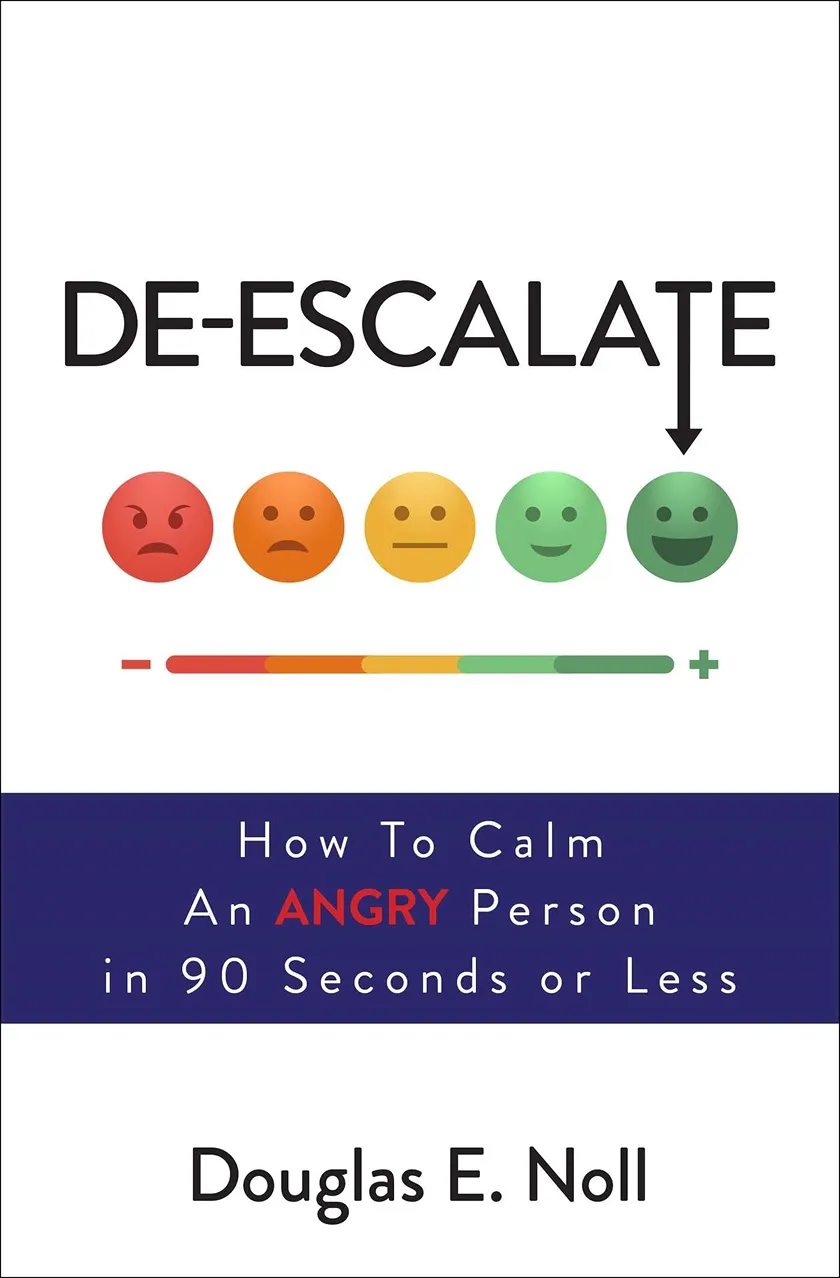
Doug has authored several books on affect labeling and emotional competency, including De-Escalate: How to Calm an Angry Person in 90 Seconds or Less, which won multiple awards and has been adopted by organizations worldwide.
More Blogs
View All