6 Essential Steps for Resolving Workplace Conflict Without a Lawsuit


The HR director called the General Counsel on Tuesday morning.
The complaint had come in overnight. A senior engineer accused her director of creating a hostile work environment. The director accused the engineer of insubordination. Both had retained counsel. The company's choices were to let it escalate into a formal complaint and probable lawsuit, or to attempt a resolution.
The company's standard mediator was booked for three weeks. By then the counsel letters would have been drafted and positions would have hardened. The GC made a different call. She brought in a specialist in workplace conflict resolution who could run the process inside a week.
Here are the six essential steps for resolving workplace conflict without a lawsuit, each tested in situations where legal counsel was already involved.
1. Separate the parties for enough time to find the actual grievance
The stated grievance is almost never the whole grievance. The senior engineer's complaint was about hostility. The actual grievance was a specific event in 2024 when her director took credit for her work in front of the executive team.
The specialist spent two hours with each party in separate sessions before any joint conversation. In the first hour each party stayed on the stated grievance. In the second hour the actual grievance started to surface. The mediator who tries to run a joint session before the actual grievance is identified ends up resolving the wrong thing, which produces a settlement that does not hold.
Two hours per side, minimum, before any joint conversation. This is where most workplace conflict resolution saves itself from becoming litigation.
2. Address the specific event, not the pattern
The engineer and the director both had patterns they could describe about the other party. Both patterns were partly true. Both patterns were impossible to resolve because they were composed of hundreds of small moments that neither could remember with precision.
The specific event (the 2024 credit-taking incident) was addressable. It had a date, a room, specific people present. Both parties could remember it clearly. The specialist focused the joint session on that single event and let the patterns settle naturally once the specific event had been addressed.
Patterns in workplace conflict are rarely resolvable. Specific events almost always are. Mediators who try to resolve patterns produce long sessions with no resolution. Mediators who find the anchoring specific event produce resolutions that hold.
3. Use affect labeling to regulate the room when the specific event is named
When the specialist named the 2024 incident out loud with both parties present, both of them had physiological responses. The director went red. The engineer's voice tightened. The specialist named what she was observing. "That just landed hard for both of you. Give me a moment to let you both come back to this." Then she stopped.
The regulation move preserved the room. Without it, the director would have defended, the engineer would have escalated, and the session would have failed. With it, the next five minutes produced the first honest exchange the two parties had had in two years.
If a mid-sized company is losing an average of six weeks of productive time on each of three unresolved workplace conflicts a year, that is roughly $280,000 a year in direct time cost, before counting legal exposure and attrition. The exact number for your situation is a two-minute input in Doug's cost of conflict calculator.
4. Build the operational agreement before the emotional closure
In workplace conflict resolution, the parties often do not reach warmth. They reach functionality. The resolution that holds is a specific operational agreement, written in the room, about what each party will do differently going forward. The agreement is boring. It specifies behaviours, cadences, and escalation paths.
The emotional closure follows the operational agreement, not the other way around. Parties who sign a specific agreement first and then experience their relationship normalising report higher stability than parties who try to achieve emotional closure first and then produce an agreement.
The specialist produced a four-page agreement. The engineer and director both signed it. Six months later the specifics of the agreement were still being followed. The relationship was functional, not warm, and that was enough.
5. Involve the parties' leaders in the agreement execution
The engineer and director both had their own managers. Those managers were briefed on the agreement and given specific accountability for monitoring its execution. This matters because workplace conflict agreements that leave execution to the parties themselves often fail. The parties revert to their previous dynamics within three months.
The managers' involvement provides a structural reinforcement that keeps the agreement alive past the initial momentum. This is uncomfortable work for the managers but it is what makes the resolution durable.
6. Schedule a 90-day review before leaving the room
Before the parties leave the room, the specialist scheduled a 90-day review. All three (both parties and the specialist) would reconvene to assess whether the agreement was holding. This simple commitment changed the parties' behaviour over the following 90 days because they knew they would be reviewed on it.
Workplace conflict resolutions that end with the session fade. Resolutions that end with a scheduled review hold.
Doug Noll teaches Decision-Making Under Stress and Conflict at Pepperdine's Straus Institute, has mediated complex business disputes for 25 years, and co-founded the Prison of Peace Project. His workplace conflict resolution work is built around the six steps above, developed in situations where legal counsel was already involved and the alternative to resolution was expensive litigation.
If you have a workplace conflict that is heading toward legal escalation, Doug runs a 20-minute diagnostic call to work out whether rapid resolution is feasible. Book 20 minutes with Doug.
The GC's eighteen-month review
The engineer and the director were both still at the company. The agreement had been followed with one specific amendment made at the 90-day review. The company's legal exposure in the matter was zero because no formal complaint had been filed. The GC's legal fees for the resolution were less than one tenth of what the discovery process alone would have cost.
For related reads, see workplace arguments in 90 seconds and corporate mediation that works.
Resolving workplace conflict without a lawsuit is a specific six-step process. The alternative is six-figure legal fees and permanent loss of senior talent. The specialist is almost always cheaper than the law firm.
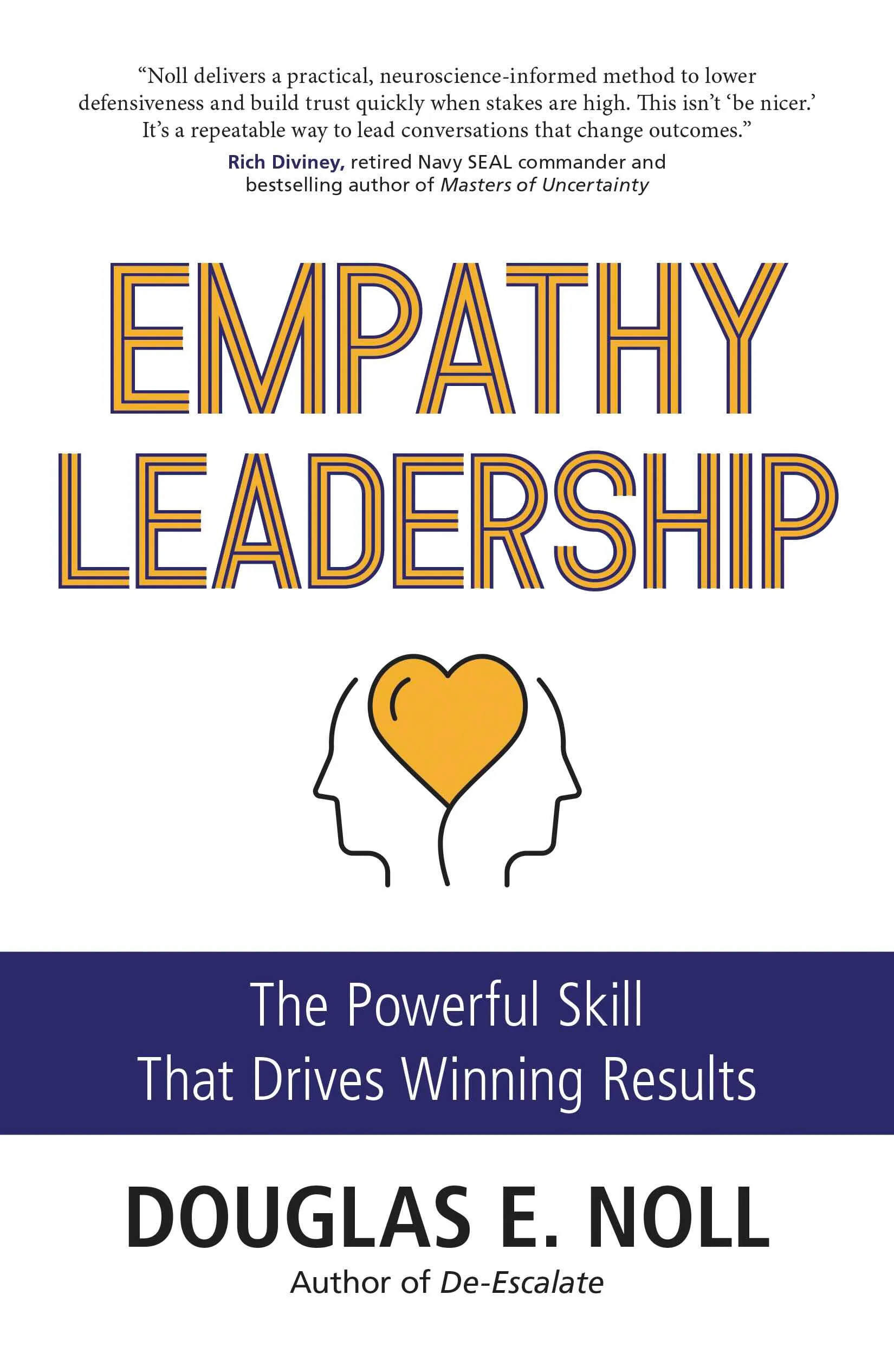
Empathy Leadership: The Powerful Skill That Drives Winning Results is out now. Order on Amazon, or if a 20-minute call would be more useful, Doug's calendar is here.
Emotional Competence Shapes Your Influence as a Leader
This 90-second emotional competence quiz will tell you how your emotions affect the way you are treated at work and how to gain the respect and influence you deserve as a leader.
Take the Free Assessment
Doug’s Books
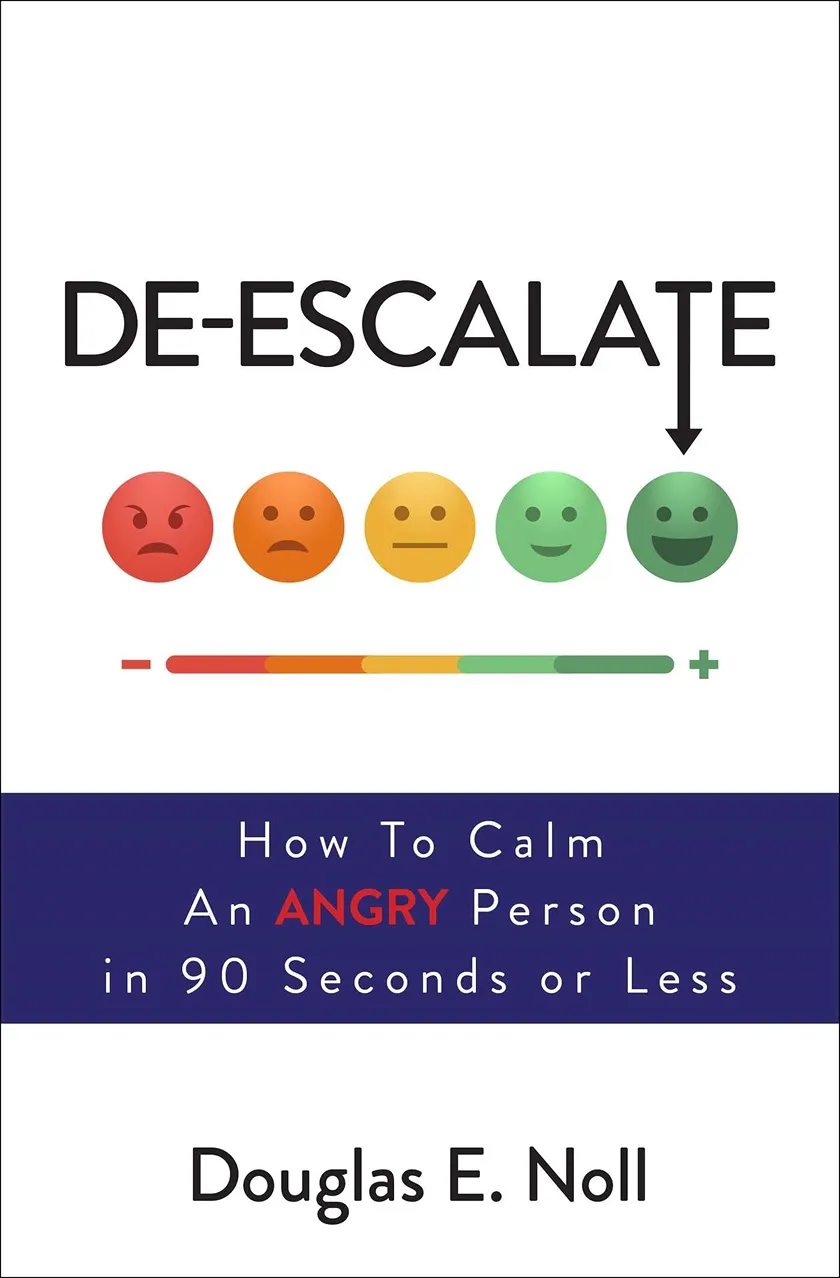
Doug has authored several books on affect labeling and emotional competency, including De-Escalate: How to Calm an Angry Person in 90 Seconds or Less, which won multiple awards and has been adopted by organizations worldwide.